Before you go
Along Japan’s expressways, there are places to stop and rest at regular intervals, right off the road as you drive.
You can pull straight in without going out through a toll booth.
Some are just restrooms and vending machines; others are places people come to on purpose.
Service areas (SA) and parking areas (PA): what’s the difference?
These rest stops go by two names.
SA (service area) — Larger. Roughly every 50 km.
PA (parking area) — Smaller. Roughly every 15 km.
Both distances are rough; the stops aren’t always spaced exactly like that.
PAs have restrooms too. Shops and gas stations aren’t always there at a PA, and some PAs really are just restrooms and vending machines.
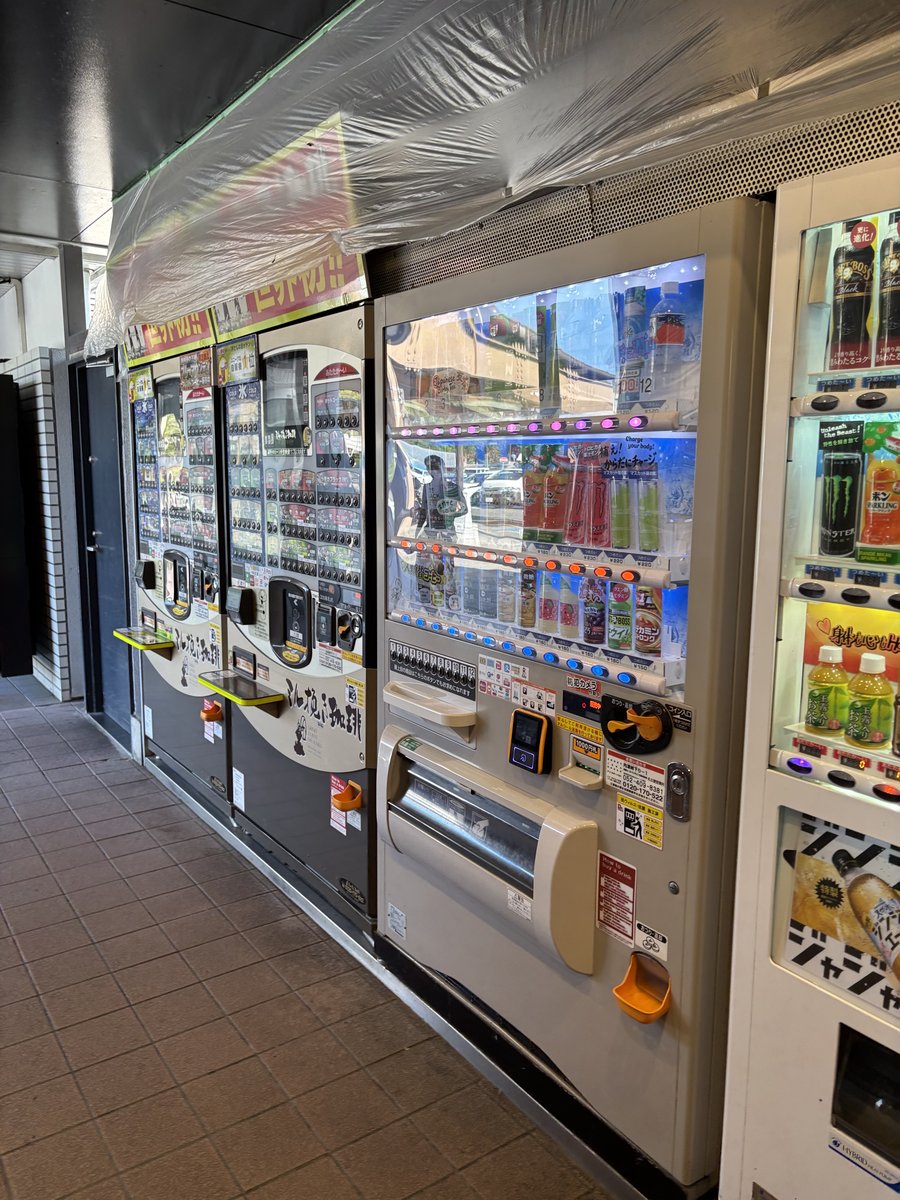
Even some SAs have no restaurant or gas station.
So plan meals around SAs, and check your gas once before you get on the expressway. Do that, and even if you’re hungry and there’s only a PA, you can drive on to the next one without worrying.
Carry a little change
At food courts, you order at a meal ticket machine or at the counter.
Some meal ticket machines take cash only.
With some Japanese yen coins and small bills in your wallet, you can order at any shop without a second thought.
A place to ask, even without Japanese
Some SAs have a concierge (an information desk staff member).
They use a tablet with translation software, and help visitors from abroad too.
Questions about the SA, or the sights around it? When you’re stuck, start here.
When you fill up
Running out of gas on the expressway can lead to an accident. The road companies, too, urge drivers to fill up early.
To say which fuel you want, these three words are enough.
【レギュラー】 (regyuraa) — regular
【ハイオク】 (haioku) — premium
【軽油】 (keiyu) — diesel
When you want the tank filled up, it’s 【満タン】 (mantan) — “full tank”.
Ask which one goes in your rental car when you pick it up.
SA restrooms
Near the restroom entrance, there’s often a screen showing how many stalls are free.
Toilet paper can go straight into the toilet and be flushed.
Local specialties at the SA
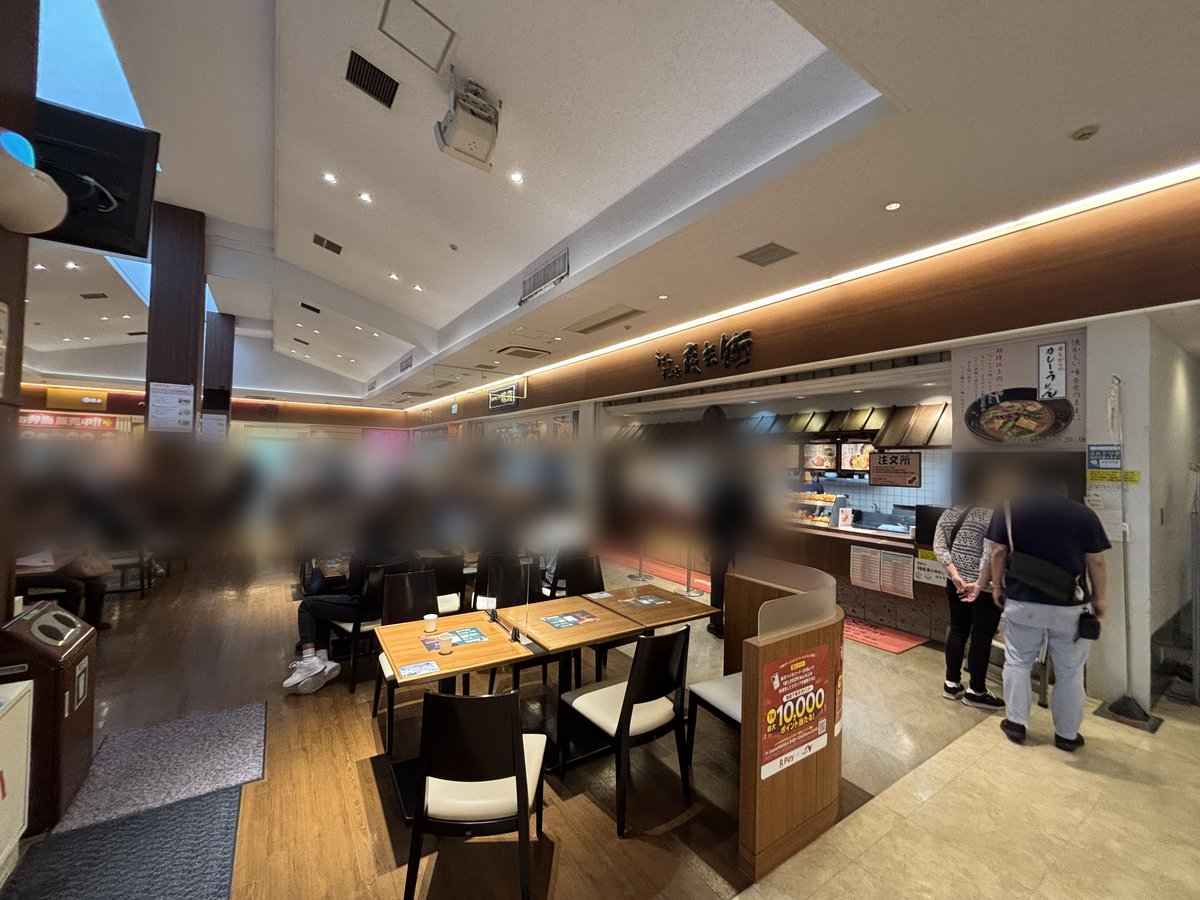
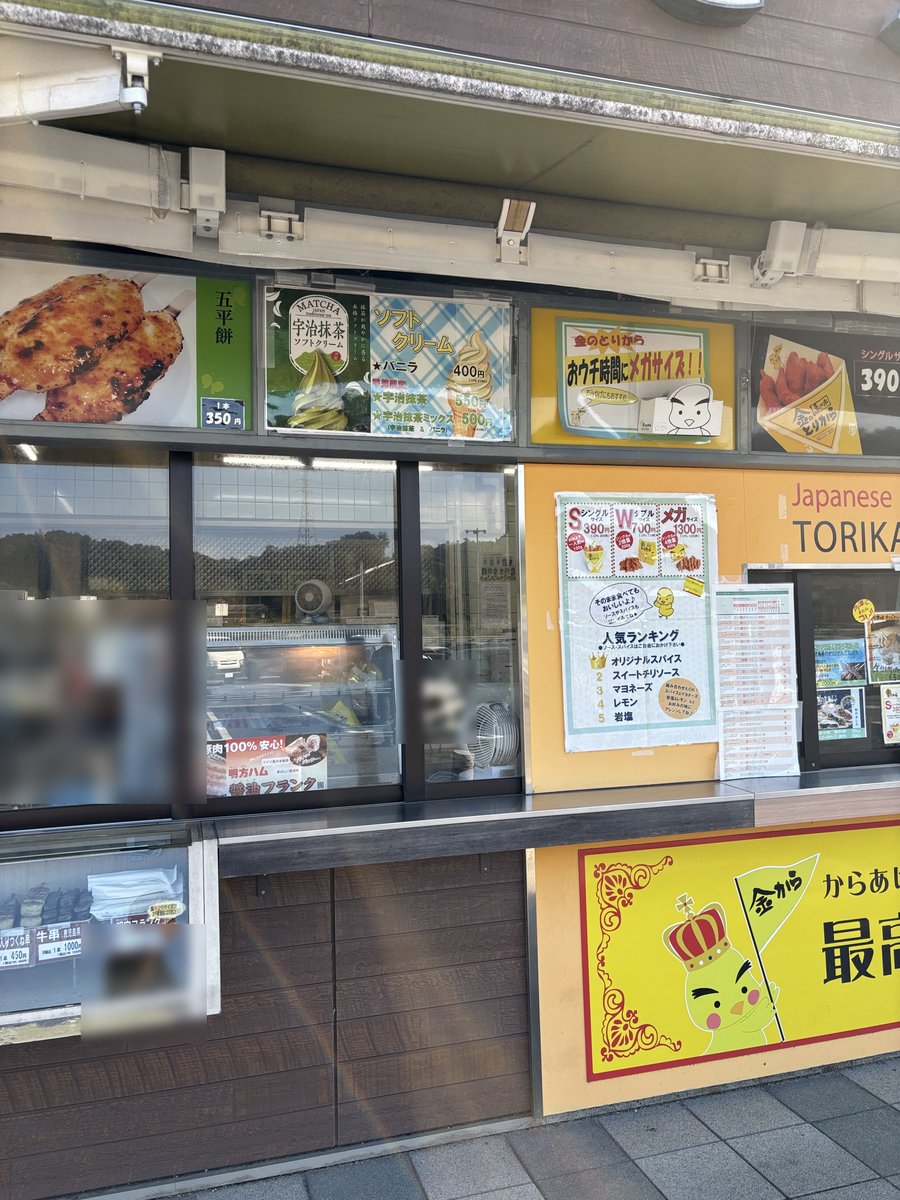
At the food court, you can try local specialties too. Sakura shrimp and whitebait rice bowls in Shizuoka, sanzoku-yaki in Nagano — when the prefecture changes, so does what’s on offer.
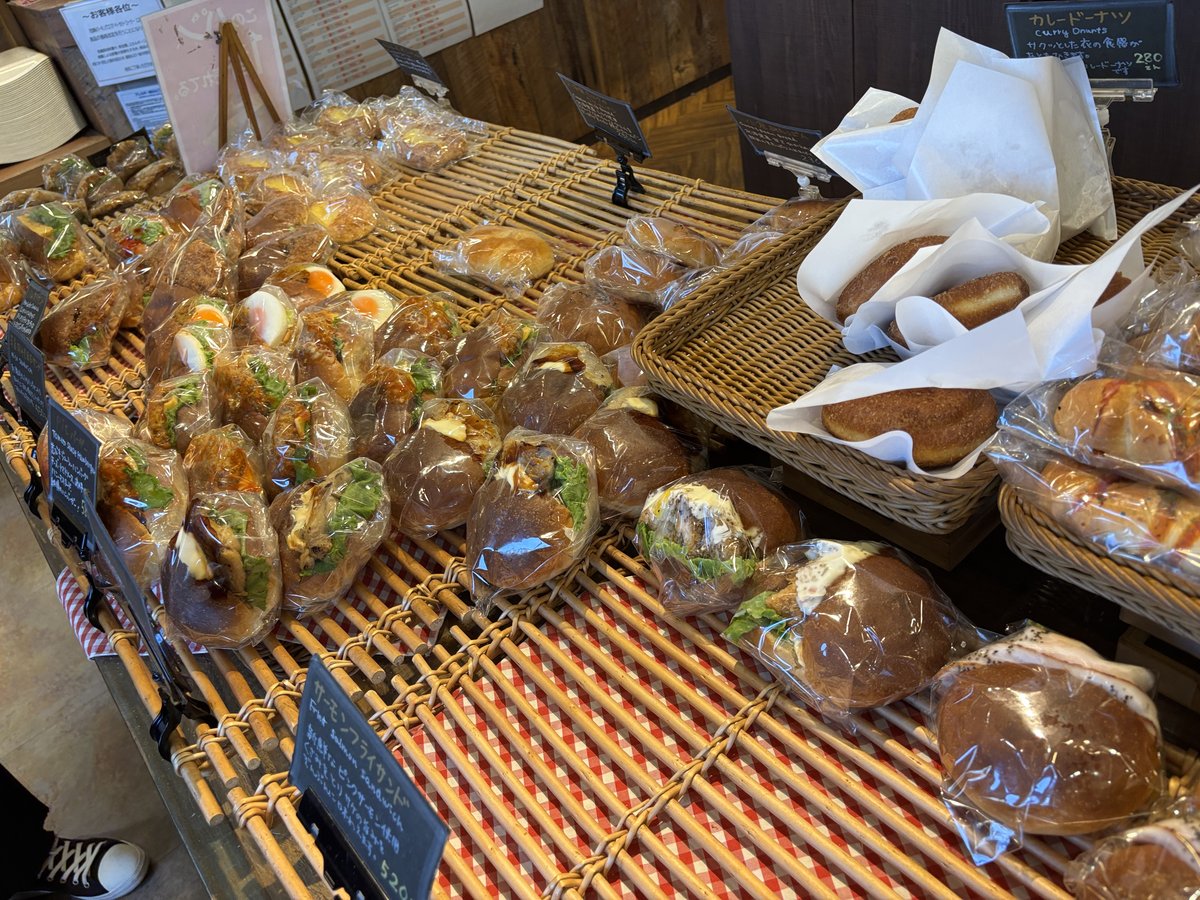
Ebina SA (outbound side, heading away from Tokyo) has a melon bread shop recognized by Guinness World Records for the number of sweet buns sold in 48 hours.
What the other SAs have is for you to find out when you stop.
A hot spring bath, on the expressway
Some SAs have hot springs or baths you can use.
Suwako SA is one of them, on both the inbound and outbound sides.
After a long drive, soak in the water, then set off again. You can build time like that into the middle of an expressway trip.
A PA with an aquarium and a Ferris wheel
At some SAs and PAs, you can walk straight into a park or other facility next door without leaving the expressway. They’re called “Highway Oasis” (ハイウェイオアシス).
Kawashima PA connects to a big park with Aqua Totto Gifu (アクア・トトぎふ), one of the world’s largest freshwater aquariums. The big Ferris wheel is the landmark.
There’s also a barbecue area where you don’t need to bring anything, so you can take a long break here without getting off the expressway.
Just because it’s a PA doesn’t mean it’s small.
Add one SA to your itinerary
When you spot the name of the next SA on the map, try making it one of your destinations, not just a rest stop.
※ SA and PA facilities, opening hours, payment methods and services differ by location. Before you stop in, check the road company’s guidance.


