Category: Expressways & ETC

  • Enjoying the Service Areas (Rest Stops) — Not Just a Place to Rest, a Place to Visit

    Along Japan’s expressways, there are places to stop and rest at regular intervals, right off the road as you drive.

    You can pull straight in without going out through a toll booth.

    Some are just restrooms and vending machines; others are places people come to on purpose.

    Service areas (SA) and parking areas (PA): what’s the difference?

    These rest stops go by two names.

    SA (service area) — Larger. Roughly every 50 km.

    PA (parking area) — Smaller. Roughly every 15 km.

    Both distances are rough; the stops aren’t always spaced exactly like that.

    PAs have restrooms too. Shops and gas stations aren’t always there at a PA, and some PAs really are just restrooms and vending machines.
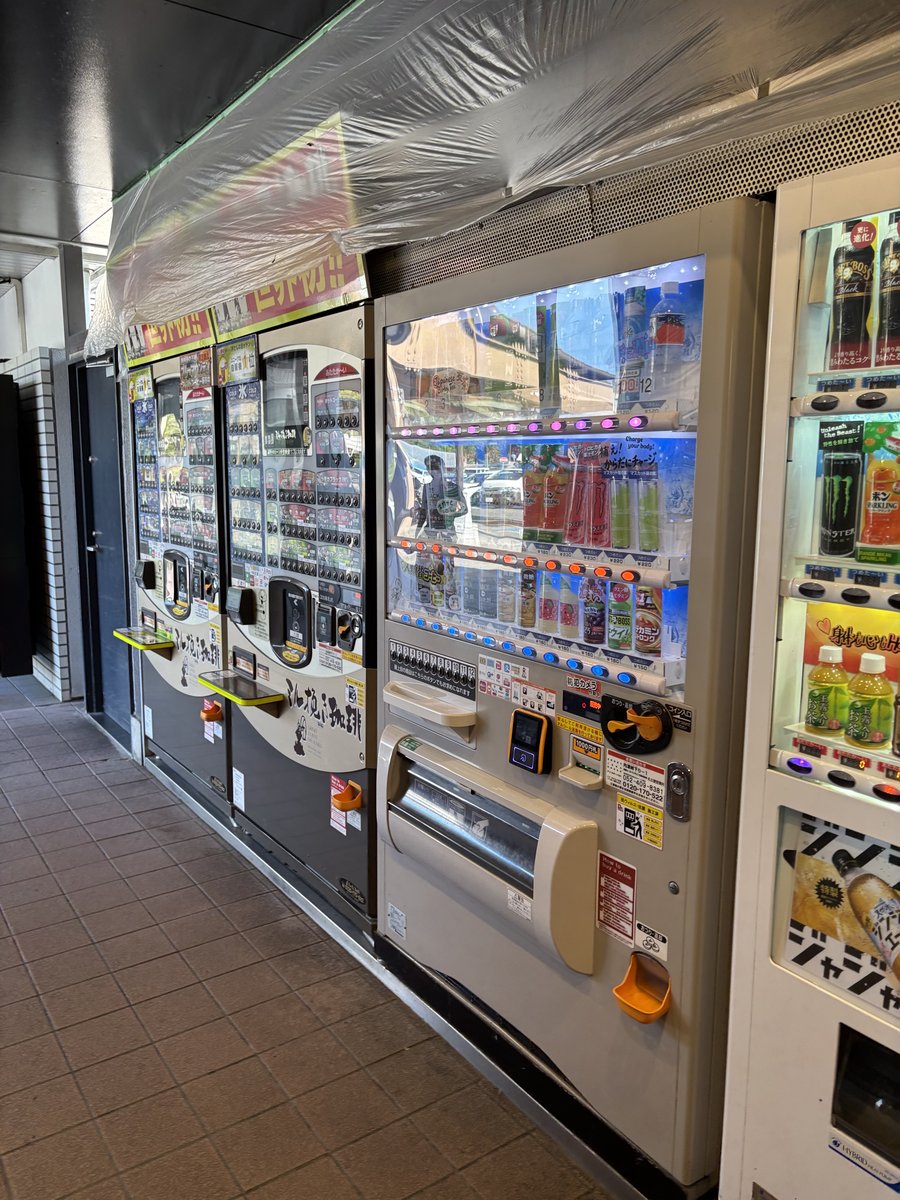
    A row of drink vending machines at an expressway service area

    Even some SAs have no restaurant or gas station.

    So plan meals around SAs, and check your gas once before you get on the expressway. Do that, and even if you’re hungry and there’s only a PA, you can drive on to the next one without worrying.

    Carry a little change

    At food courts, you order at a meal ticket machine or at the counter.

    Some meal ticket machines take cash only.

    With some Japanese yen coins and small bills in your wallet, you can order at any shop without a second thought.

    A place to ask, even without Japanese

    Some SAs have a concierge (an information desk staff member).

    They use a tablet with translation software, and help visitors from abroad too.

    Questions about the SA, or the sights around it? When you’re stuck, start here.

    When you fill up

    Running out of gas on the expressway can lead to an accident. The road companies, too, urge drivers to fill up early.

    To say which fuel you want, these three words are enough.

    【レギュラー】 (regyuraa) — regular

    【ハイオク】 (haioku) — premium

    【軽油】 (keiyu) — diesel

    When you want the tank filled up, it’s 【満タン】 (mantan) — “full tank”.

    Ask which one goes in your rental car when you pick it up.

    SA restrooms

    Near the restroom entrance, there’s often a screen showing how many stalls are free.

    Toilet paper can go straight into the toilet and be flushed.

    Local specialties at the SA
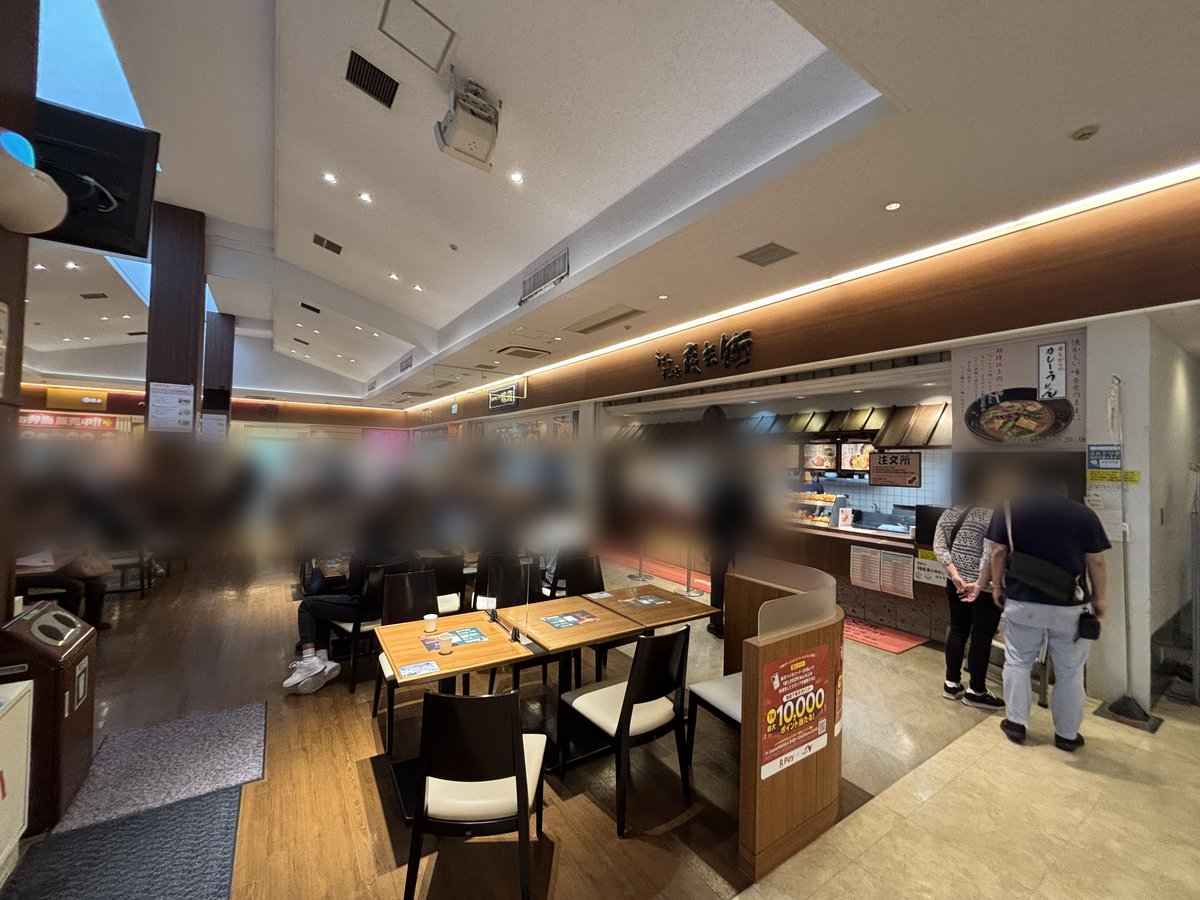
    An expressway service area food court with counters and tables

    At the food court, you can try local specialties too. Sakura shrimp and whitebait rice bowls in Shizuoka, sanzoku-yaki in Nagano — when the prefecture changes, so does what’s on offer.
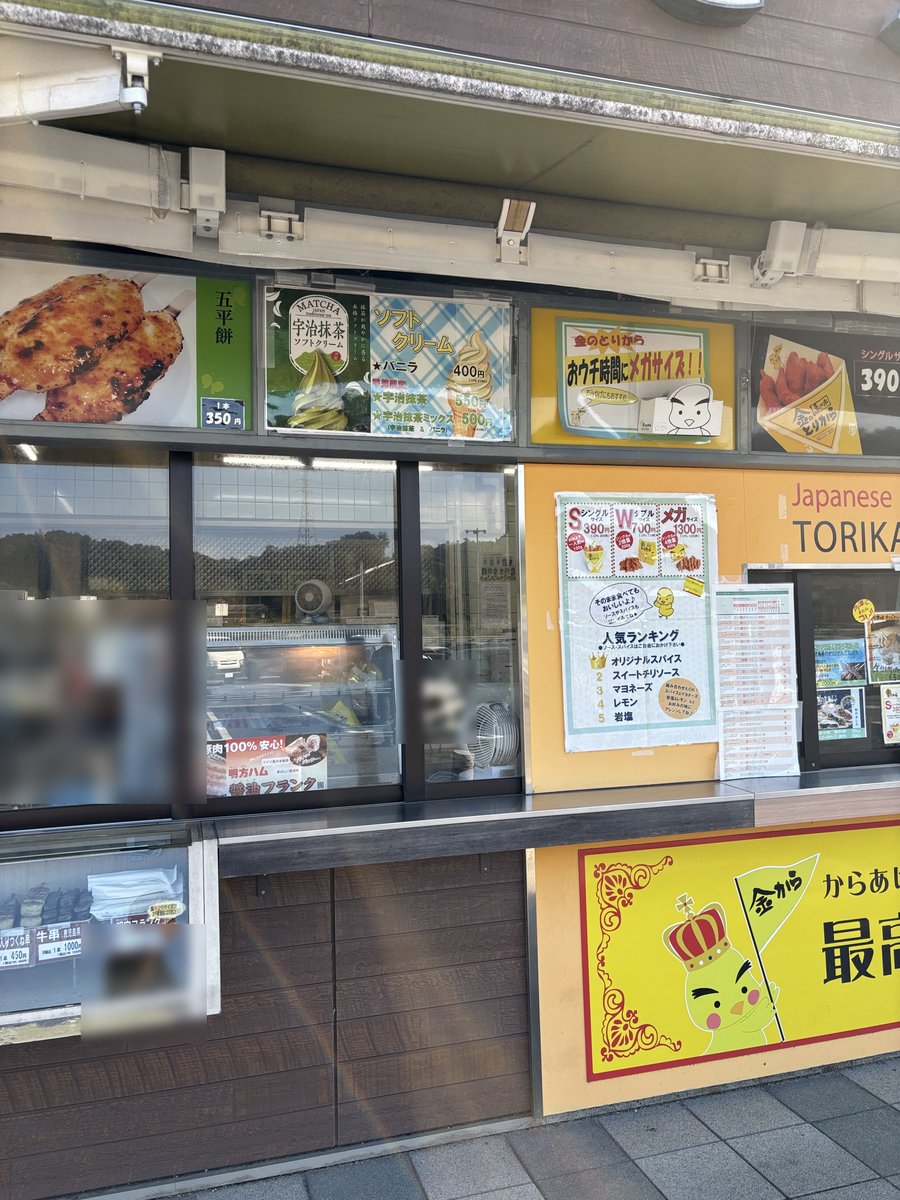
    A karaage (fried chicken) stand at a service area, with a flavor ranking posted

    Ebina SA (outbound side, heading away from Tokyo) has a melon bread shop recognized by Guinness World Records for the number of sweet buns sold in 48 hours.

    What the other SAs have is for you to find out when you stop.
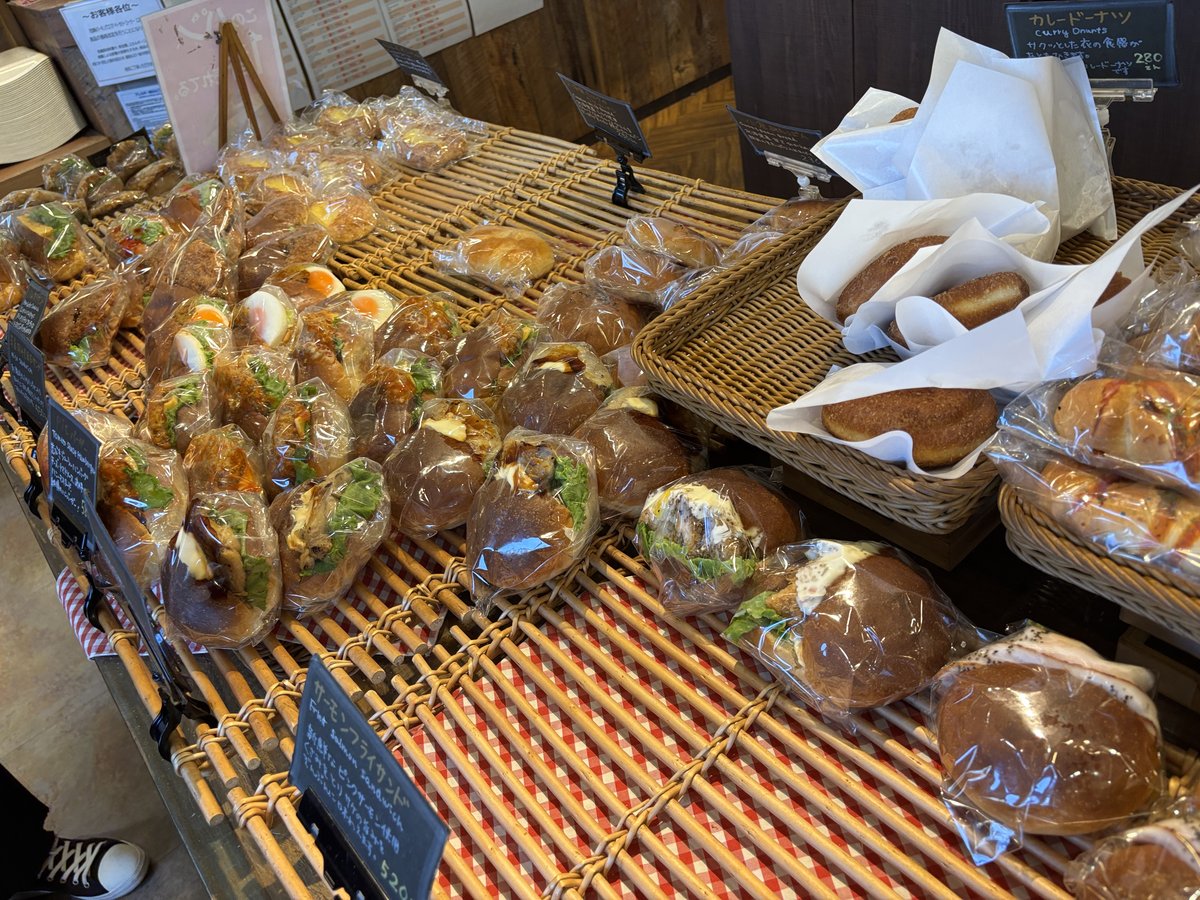
    Bread for sale at a service area bakery

    A hot spring bath, on the expressway

    Some SAs have hot springs or baths you can use.

    Suwako SA is one of them, on both the inbound and outbound sides.

    After a long drive, soak in the water, then set off again. You can build time like that into the middle of an expressway trip.

    A PA with an aquarium and a Ferris wheel

    At some SAs and PAs, you can walk straight into a park or other facility next door without leaving the expressway. They’re called “Highway Oasis” (ハイウェイオアシス).

    Kawashima PA connects to a big park with Aqua Totto Gifu (アクア・トトぎふ), one of the world’s largest freshwater aquariums. The big Ferris wheel is the landmark.

    There’s also a barbecue area where you don’t need to bring anything, so you can take a long break here without getting off the expressway.

    Just because it’s a PA doesn’t mean it’s small.

    Add one SA to your itinerary

    When you spot the name of the next SA on the map, try making it one of your destinations, not just a rest stop.

    ※ SA and PA facilities, opening hours, payment methods and services differ by location. Before you stop in, check the road company’s guidance.

    Official sources we checked (6)
  • Getting Through the Toll Booth and Paying Tolls — Read the Words Above the Lane

    This site offers information based on guidance from road companies, public agencies, rental car companies and others, to help you get ready for your trip (as of September 2026), but tolls, discounts and the way toll booths work can change. Before you leave, always check the official guidance listed at the end of this article, and the company you’re booking with, for the latest details.

    There’s a toll booth at every expressway entrance and exit.

    Several lanes sit side by side, each with words shown above it.

    Those words are all you need to look at.

    Three signs to read at the toll booth

    【ETC専用】 (“ETC only”) — Only cars with an ETC card inserted can go through.

    【ETC/一般】 (“ETC / general”) — You can go through with or without an ETC card.

    【一般】 (“general”) — The lane for cars not using ETC, where you take a ticket or pay.

    If it just says 【ETC】, it’s a lane for cars with an ETC card inserted.

    In the diagrams from NEXCO CENTRAL (NEXCO中日本) and in JNTO (Japan National Tourism Organization) guidance, ETC is shown in purple and 一般 in green.

    But the same lane can switch between 【ETC専用】 and 【ETC/一般】 depending on the time of day.

    Get a rough idea from the color, and decide by the words. Remember that, and you won’t panic as you pull up.

    If you have an ETC card inserted

    Go into 【ETC専用】 or 【ETC/一般】.

    Before you enter the lane, slow down to 20 km/h or less.

    If 【↑】 appears on the display ahead on your right, keep going. If it says 【STOP 停車】 (“stop”), stop before the barrier.

    In an 【ETC/一般】 lane, the car ahead may stop to pay. Leave a gap before you go in.

    Go in slowly, and even if the barrier doesn’t open, you can stop cleanly in front of it.

    If you don’t have an ETC card

    Go into 【一般】 or 【ETC/一般】.

    At the entrance, a machine gives you a ticket called a 通行券 (“toll ticket”). Take it.

    At the exit, hand this ticket to the attendant, or put it into the toll payment machine and pay.

    You can pay in Japanese yen cash or by credit card. Some toll booths don’t take credit cards, and cards issued abroad sometimes don’t go through, so on days you use the expressway, carry a little cash in yen.

    Until you reach the exit, keep the 通行券 in one set place, without folding it or getting it wet.

    Entrances and exits only ETC can use

    There are ETC-only toll booths (ETC専用料金所), where every lane is 【ETC専用】.

    The “Smart IC” (スマートIC), a type of interchange (IC) partway along the expressway, is also an entrance and exit you can use only with ETC.

    At a Smart IC, stop once in front of the barrier; once you’ve stopped, the unit starts communicating and the barrier opens. If it doesn’t open, press the button in the lane.

    Some Smart ICs can’t be used by certain types of vehicle or at certain times, and some may be closed. If so, just use the next IC.

    Rent an ETC card, and you can choose entrances and exits like these too (how to rent one is in the “ETC Card” article).

    Keep a note of the IC where you got on

    If you get stuck at the exit toll booth, or lose your ticket, the attendant at the exit will ask which IC you got on at, and roughly what time.

    Before you get on, take a screenshot of the IC in your map app. If someone’s riding with you, having them photograph the IC sign works too.

    Even if you can’t read it, showing that gets the message across.

    If you get stuck

    The barrier won’t open, you drove into an ETC lane without a card, you lost your ticket. What to do then is in the “If You Get Stuck at a Toll Booth” article.

    ※ Toll booth equipment, lane signs and the conditions for using Smart ICs differ by road company and toll booth. When you actually drive, follow the signs on site.

    Official sources we checked (5)
  • ETC Card and Expressway Pass — Ask for Them When You Book Your Rental Car

    This site offers information based on guidance from road companies, public agencies, rental car companies and others, to help you get ready for your trip (as of September 2026), but tolls, discounts and the way toll booths work can change. Before you leave, always check the official guidance listed at the end of this article, and the company you’re booking with, for the latest details.

    The ETC card is the card you pay tolls with on Japan’s expressways.

    For travelers, there’s just one answer.

    When you book your rental car, ask for an ETC card at the same time.

    What does an ETC card do?

    Rental cars in Japan usually come with an ETC車載器 (in-car ETC unit) installed.

    With an ETC card inserted in it, your toll is recorded just by driving through an ETC lane at the toll booth.

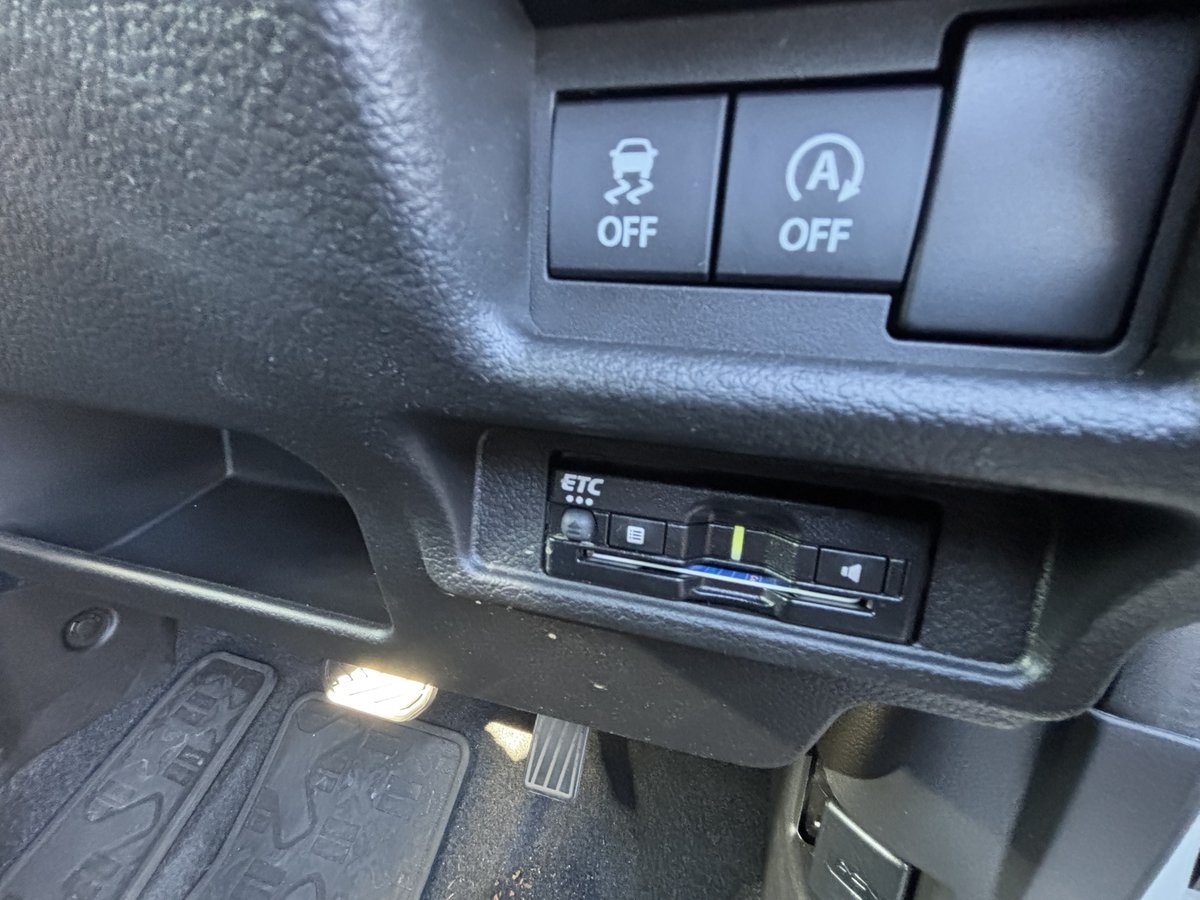
    ETC unit with the card inserted

    There’s no need to stop and hand over money. You pay all the tolls together at the rental office when you return the car.

    Can you drive without an ETC card?

    Yes. You can pay by cash or credit card in the 【一般】 (“general”) lanes at the toll booth.

    But there’s more to asking for one than convenience: with ETC, you can qualify for the weekend and holiday discount on Saturdays, Sundays and public holidays. The savings are in “Japan’s Expressways”.

    You can also use entrances and exits that only ETC can go through (see the “Getting Through the Toll Booth and Paying Tolls” article).

    Can you get your own?

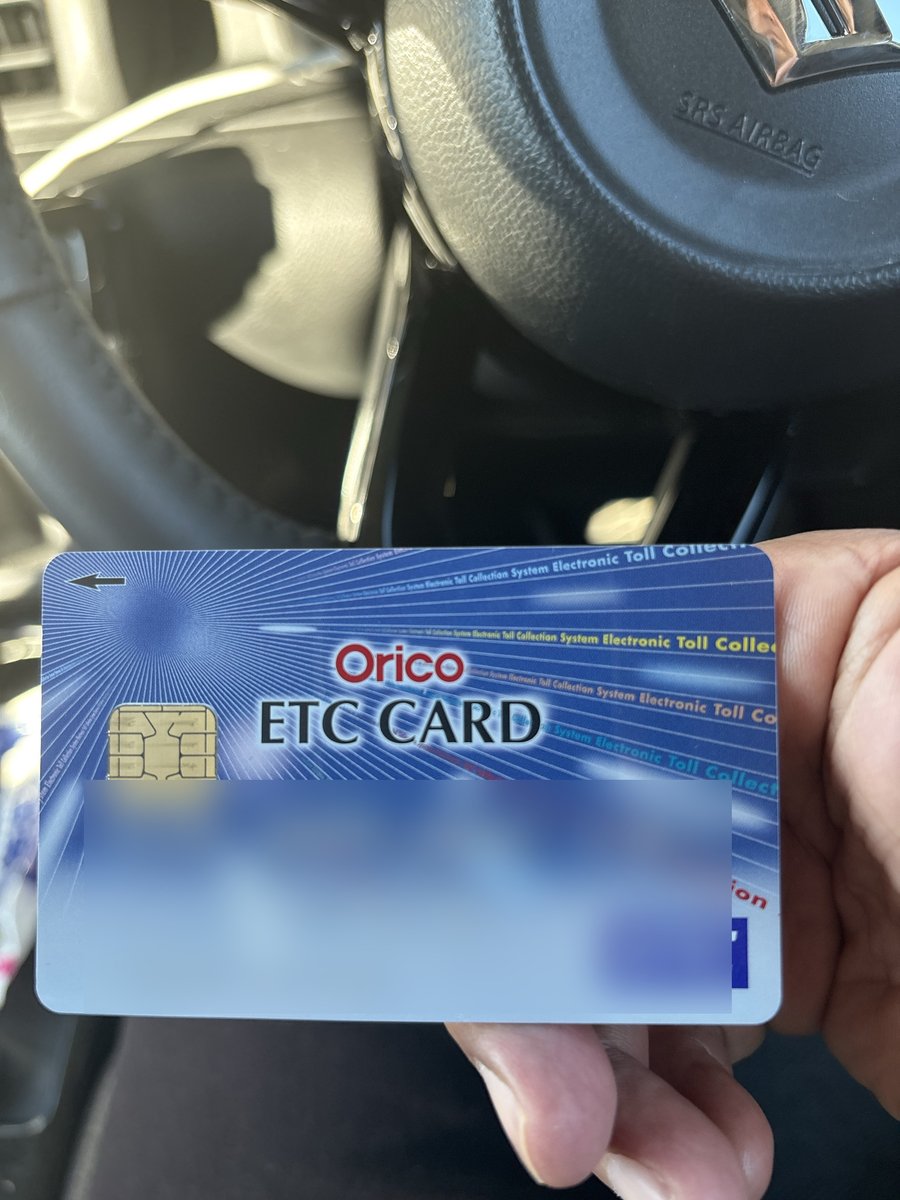
    Japanese ETC cards are issued by Japanese credit card companies and others. Travelers don’t get their own; they rent one from the rental car company.

    Example of an ETC card issued by a Japanese credit card company

    If you put your own credit card in the ETC unit, it won’t work as ETC.

    How do you ask for one?

    You ask for it as an option when you book.

    Toyota Rent a Car and Nippon Rent-A-Car let you choose an ETC card on their English booking pages for overseas visitors.

    Some companies have a limited number of cards, so the earlier you ask, the better your chances.

    Once you’ve asked, check once more that the ETC card is in your booking details.

    How much does it cost?

    Renting one costs, for example, 330 yen for up to 7 days at Nippon Rent-A-Car. At Nissan Rent a Car, it’s 220 yen a day, capped at 15 days’ worth for rentals of up to 1 month.

    On top of that, you pay the tolls for the distance you drive.

    Once you have it

    Put the card in as soon as you get in the car. The unit takes a few seconds after you insert it to be ready, so if you wait until just before a toll booth, it may not be ready in time.

    Whether you can take the card out when you leave the car depends on the company. If you do take it out, put the same card back in before you drive off, because if the card is different at the entrance and the exit, the barrier at the exit won’t open.

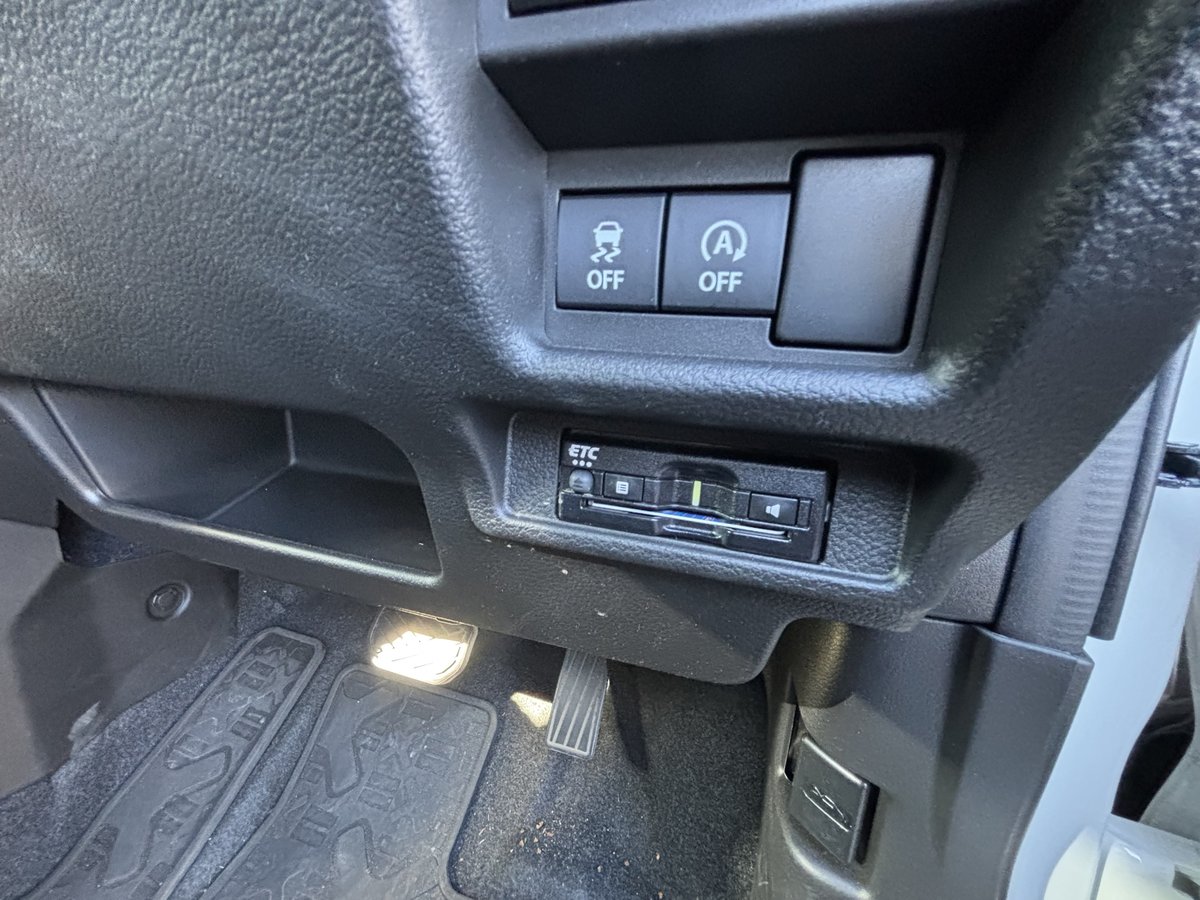
    ETC card inserted in the unit below the steering wheel

    In many cars, the ETC unit is somewhere under the steering wheel, but in some it’s inside the glove box. It’s a good idea to ask the staff where it is before you drive off. And if you’re renting the card from the rental car company too, just ask them to put it in for you, and you’re all set.

    Expressway passes for overseas travelers

    Depending on where you’re going, there are unlimited-use expressway passes only for people with a foreign passport. Examples are the “Hokkaido Expressway Pass” for Hokkaido, and the “San’in-Setouchi-Shikoku Expressway Pass” for San’in, Setouchi and Shikoku.

    You use a pass by renting a car and an ETC card from a rental car company that handles it. At the rental office, you show your passport.

    What to ask when you book

    Here’s what to ask the company you’re renting from. You can cover it all in one go when you book.

    Whether you can rent an ETC card. If you’ll use a pass, tell them that too (you can also ask here whether other regions have a pass)

    Which discounts work with the ETC card you rent

    Whether you can take the card out partway through

    Which credit cards you can pay with when you return the car

    One check mark for the ETC card on the booking page

    That alone means one less moment of confusion at the toll booth.

    ※ Whether ETC cards are available to rent, the fee, how to book and how tolls are settled differ by rental car company and rental office. When you book, check the guidance from the company you’re renting from.

    Official sources we checked (6)
  • Japan’s Expressways — Typical Tolls, Plus Just This Before You Get On

    This site offers information based on guidance from road companies, public agencies, rental car companies and others, to help you get ready for your trip (as of September 2026), but tolls, discounts and the way toll booths work can change. Before you leave, always check the official guidance listed at the end of this article, and the company you’re booking with, for the latest details.

    Buy time on the expressway for the long stretches, then take it slow on local roads once you get there.

    Split it that way, and you’ll have plenty of time left for scenic roads and detours.

    There are just three things to know about expressways: the ETC card you pay with, the toll booth where you pick your lane (for how to get through one and pay, see “Getting Through the Toll Booth and Paying Tolls“), and the service areas that make good places to stop along the way.

    First, let’s get a rough idea of how much the expressway tolls will cost.

    How much from Tokyo to Kyoto?

    Almost all of Japan’s expressways charge tolls. Here are two examples, both for a standard car, on routes that avoid urban expressways such as Tokyo’s Shuto Expressway.

    Tokyo IC (IC = interchange) → Kyoto-higashi IC (about 430 km): 10,070 yen on a weekday. About 4 hours 20 minutes with no traffic jams.

    Sapporo-kita IC → Asahikawa-takasu IC (Hokkaido, about 130 km): 3,800 yen on a weekday. About an hour and a half.

    In Hokkaido, you can work out a rough figure yourself: the usual toll is about 25 yen per km, plus 150 yen (there are exceptions, such as central Sapporo). For 200 km, that’s a little over 5,000 yen.

    For other destinations, look it up in a road company’s toll search, entering the day you’ll travel. Tolls change by date, too.

    On weekends, paying by ETC costs less

    Look up the same two examples again for a Saturday, and here’s what you get.

    WeekdaySaturday (cash, etc.)Saturday (ETC)
    Tokyo IC → Kyoto-higashi IC10,070 yen10,070 yen7,340 yen
    Sapporo-kita IC → Asahikawa-takasu IC3,800 yen3,800 yen2,660 yen

    ETC has a weekend and holiday discount (休日割引): on Saturdays, Sundays and public holidays, expressways in regional areas are 30% off. Sections near Tokyo and Osaka, Golden Week (around late April to early May), Obon (around mid-August), the New Year holidays, 3-day weekends and some other periods aren’t covered.

    The discount applies when you go through the entrance toll booth in an ETC lane. So put the card in before you get on (see the “ETC Card” article).

    Ask when you book which discounts work with the card you rent (see “What to ask when you book” in the “ETC Card” article).

    Take the expressway, or the local roads?

    From Tokyo to Kyoto, it’s a little over 4 hours on the expressway. To see how different it is on local roads, get directions in a map app and compare.

    From New Chitose Airport, it’s about 300 km to Hakodate and about 450 km to Shiretoko. In Hokkaido, just getting from one town to the next is a long drive.

    An expressway toll is money that buys you travel time. Think of it that way, and it gets easier to decide where to get on and where to get off.

    ※ Expressway tolls and discount conditions differ by road, date and time. When you actually drive, check the road company’s guidance.

    Official sources we checked (6)