When you need it
This site offers information based on guidance from expressway companies, the police, rental car companies and others, as a starting point when something goes wrong on your trip (as of September 2026; it isn’t an explanation of the law). How things are handled can change. When you actually run into trouble, follow the instructions of the police and the expressway company, and the guidance of the company you rented from.
An accident or a breakdown has stopped your car on the expressway.
This is the one place where the steps differ from ordinary roads.
The inside of the car is not a safe place.
NEXCO CENTRAL sums up what to do in four steps. We’ll go through them in this order.
1. Don’t walk around
Don’t walk around in the lanes or on the shoulder.
If the car can move, pull it onto the shoulder right away (NEXCO East Japan).
2. Signal to the cars behind you
There are three signals: turn on your hazard lights, light an emergency flare (発炎筒), and put out a warning triangle (停止表示器材, stop warning device).
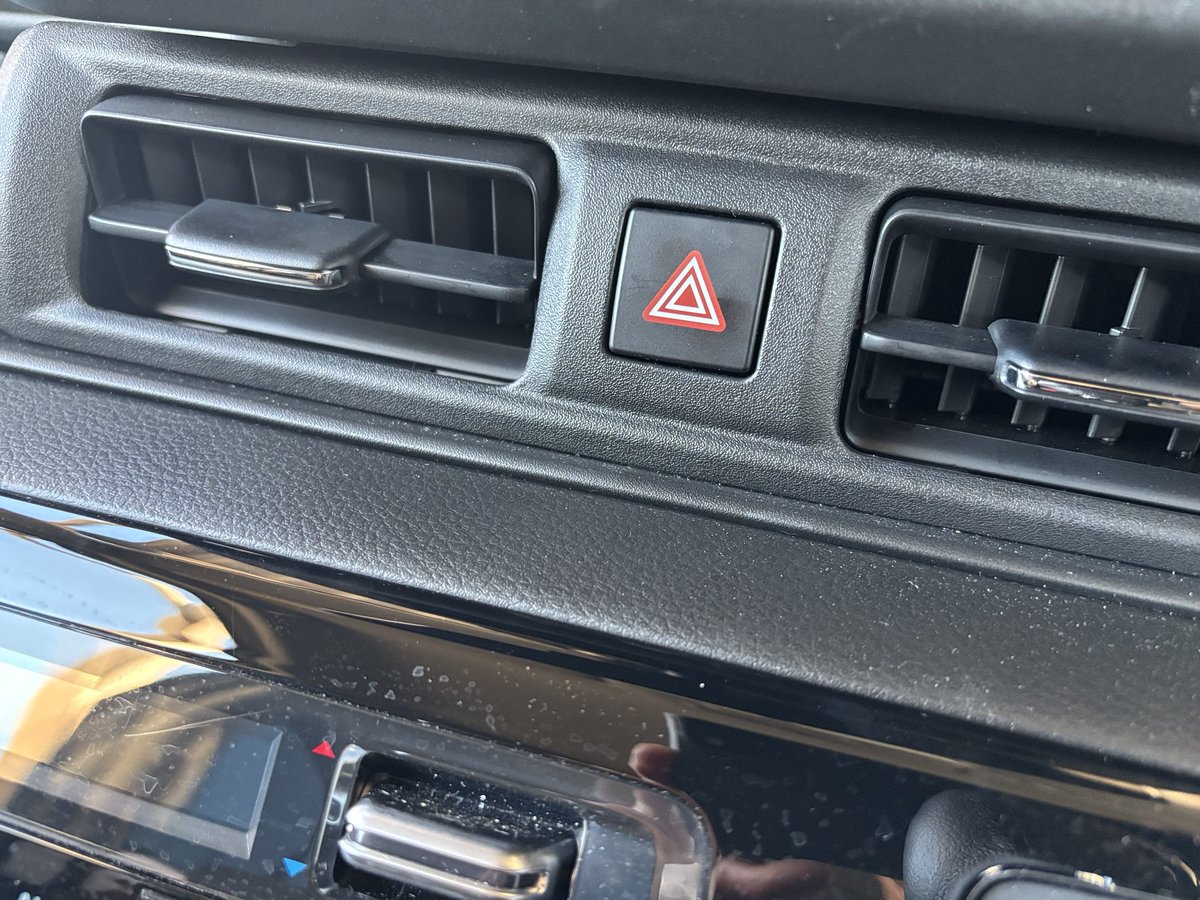
Place the flare and the warning triangle behind the car, somewhere you can safely reach.
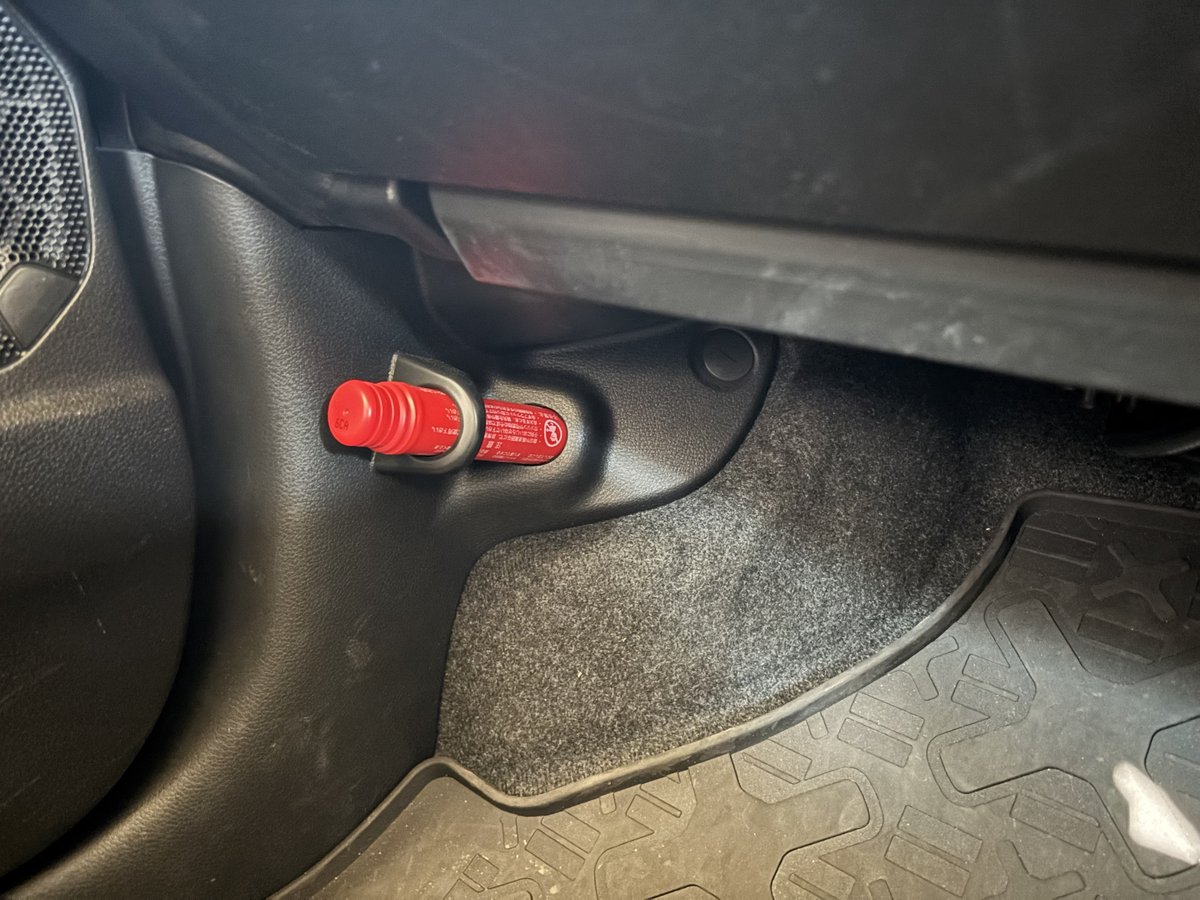
The emergency flare (発炎筒) is usually in the footwell of the front passenger seat.
If your car can’t move on the expressway, you’re required to show that it has stopped (Road Traffic Act).
3. Get to safety on the other side of the guardrail
Everyone — the driver and the passengers alike.
Watch out for passing cars and your footing, and move right away to the other side of the guardrail, behind your own car.
Don’t stay near the car. Don’t stay inside it. There have been accidents where people died after being hit from behind.
4. Once you’re safe, call 110 or use an emergency telephone
After you’ve moved somewhere safe, report it by calling 110 or using an emergency telephone.
Tell them where you are, what happened (accident or breakdown), and whether anyone is hurt.
If someone is hurt and needs an ambulance, call 119 for an ambulance.
Report it even if you’ve called a tow truck yourself, or think you can fix the problem yourself.
After that, contact the rental car company at the number on the paper you got when you rented.
Even if you can’t say where you are, they’ll know
An emergency telephone connects you to the road operator’s traffic control center. On the main lanes, there are emergency telephones every 1 km, and every 200 m in tunnels.
Just lifting the receiver lets them know roughly where you are. You don’t need to look for a button. If speaking is hard, you can also tap on the receiver to signal them.
When you walk to an emergency telephone, walk on the other side of the guardrail.
If they ask where you are on the phone, the distance markers on both sides of the road (キロポスト, kilometer posts) will help. They stand every 100 m; tell them the number along with the road name and the direction you’re heading.
The road itself tells you where you are.
Just one thing when you set off
We couldn’t confirm from the major rental car companies’ guidance whether rental cars carry a warning triangle.
So when you set off, check whether there’s one in the trunk. Look for where the emergency flare is at the same time.
For now, just this
Signal, then get to the other side of the guardrail. After that, 110 or an emergency telephone.
※ Equipment and how things are handled may differ by road and section.


