Category: Restaurants we visited

  • Banya no Sushi (番やのすし), Conveyor-Belt Sushi in Toyama | A 2.5-Hour Drive for Fish from the Sea of Japan

    番やのすし (Banya no Sushi) is a local conveyor-belt sushi chain with 4 restaurants, all in Toyama Prefecture. The fish arrives every day from ports on Toyama Bay, and the sushi chef (板前さん, itamae-san) right in front of you makes your sushi by hand.

    And that’s where our family goes once a month, driving 2.5 hours each way from landlocked Nagano.

    We live in Nagano, a prefecture with no sea, so our family is starving for good fish. Lately we’re totally hooked on sashimi from Hokuriku (on the Sea of Japan coast) (The writer lives in Nagano Prefecture and loves soba.)

    Our destination: the 大沢野店 (Osawano branch) in Toyama City. It has a parking lot, so it’s easy to get to by car. The sign out front reads “番やのすし.” You can find where each restaurant is on the store page of the official website.
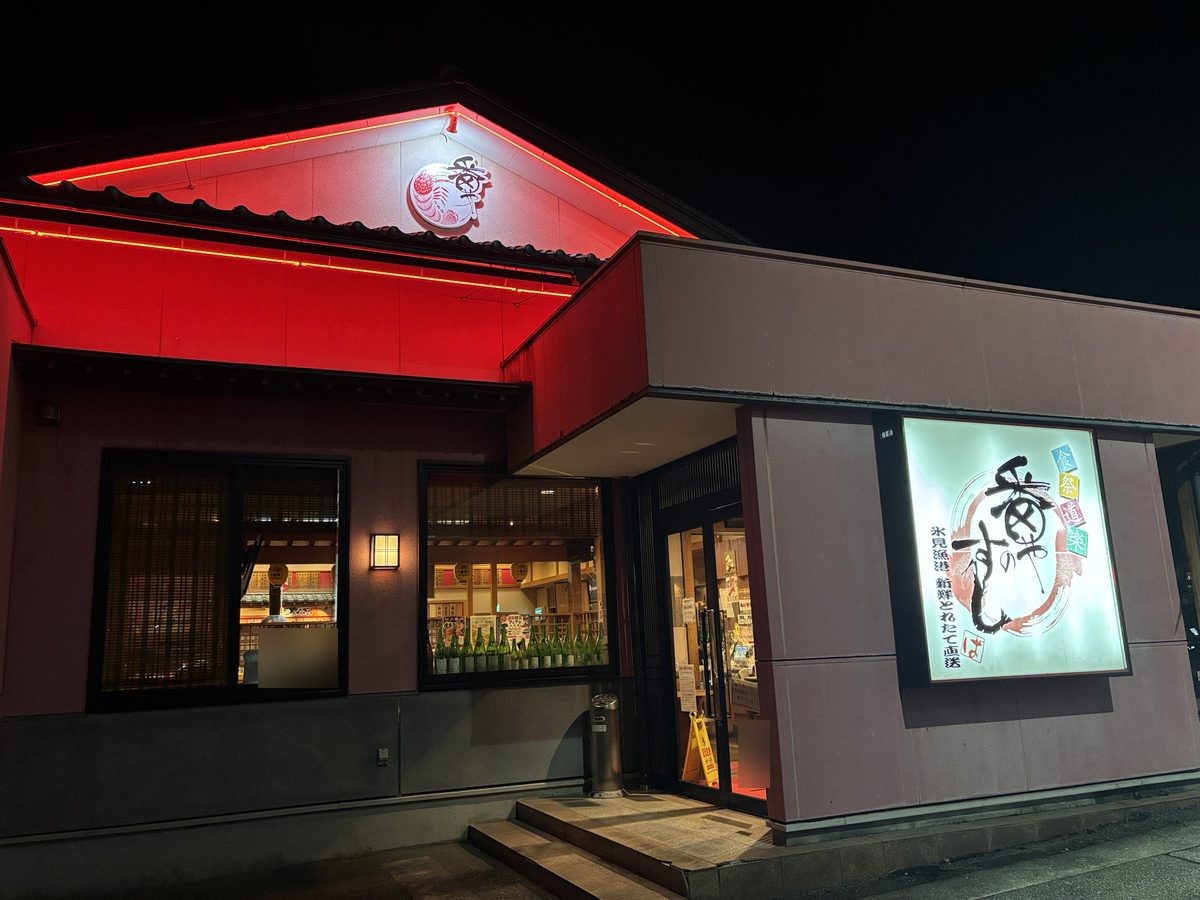
    Banya no Sushi at night: the entrance and sign

    1 Once You’re Seated — Make Your Own Tea

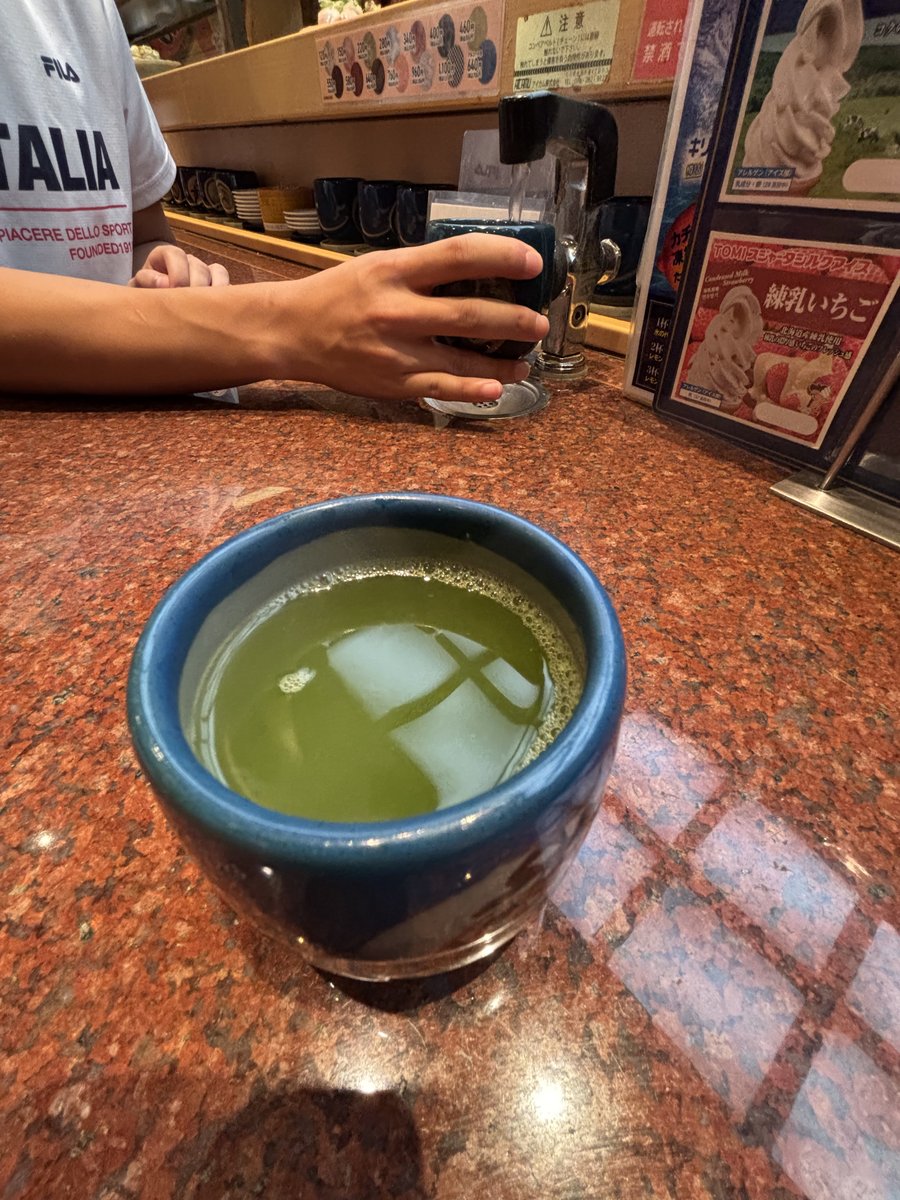
    Tea is self-service. Put powdered green tea in a teacup, then pour in hot water from the tap at the counter.
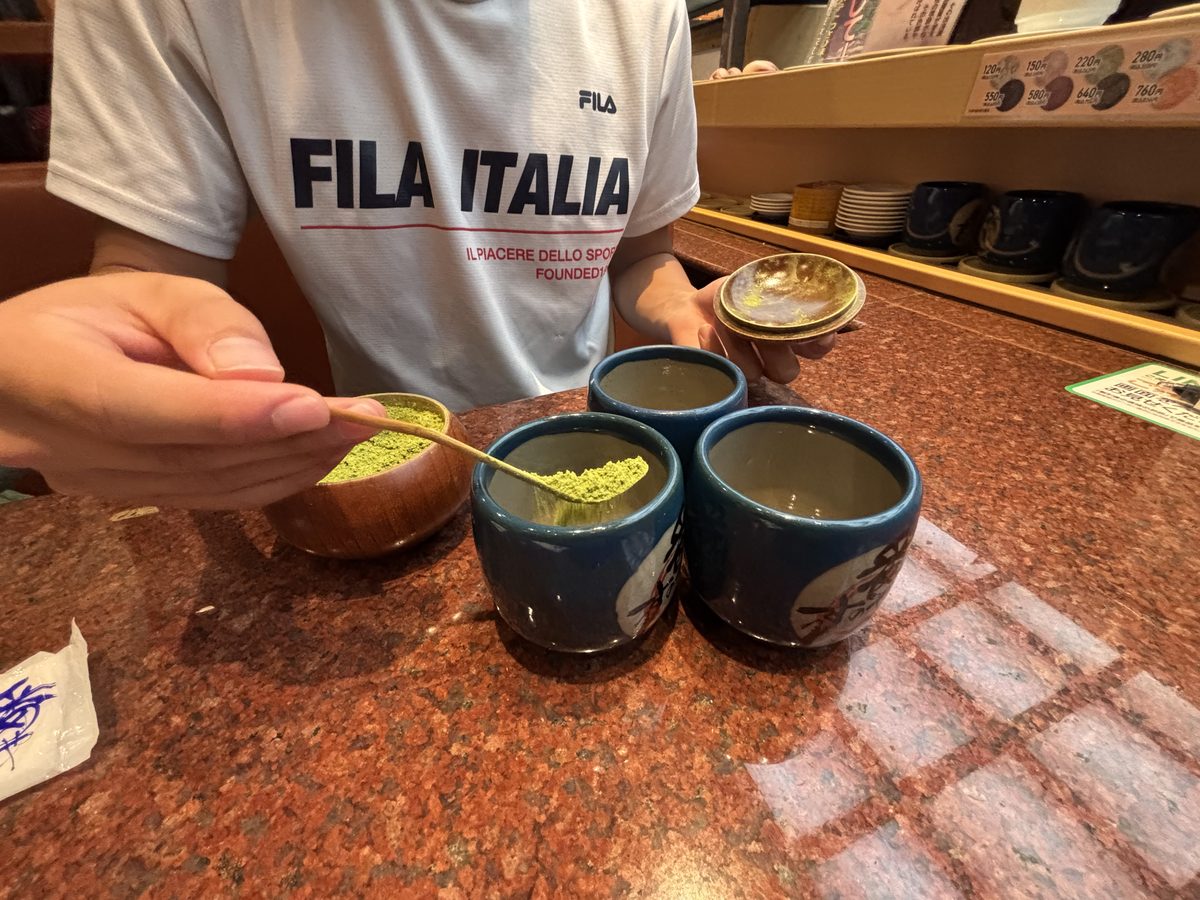
    Putting powdered green tea into a cup
    The green tea, ready after adding hot water

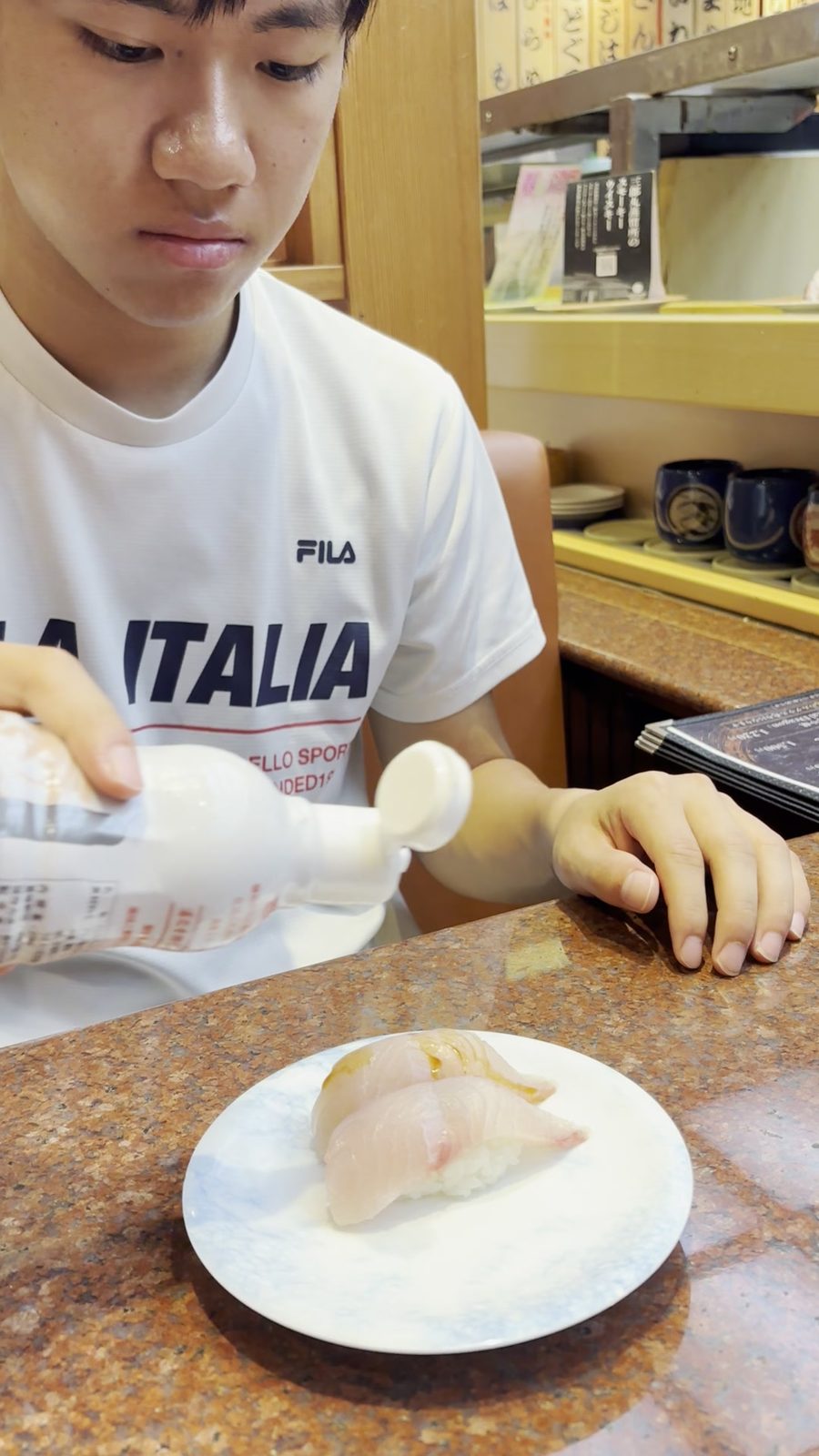
    The soy sauce bottle lets you drip it out one drop at a time. That way you don’t overdo it, which we found reassuring.

    For how to eat sushi, see our Conveyor-Belt Sushi article.

    2 Order from the Sushi Chef

    Across the lane, the sushi chefs are making sushi. Whatever you want to eat, you ask them for it. The restaurant’s own guidance says, “Feel free to ask our staff.” Just saying it out loud works fine.
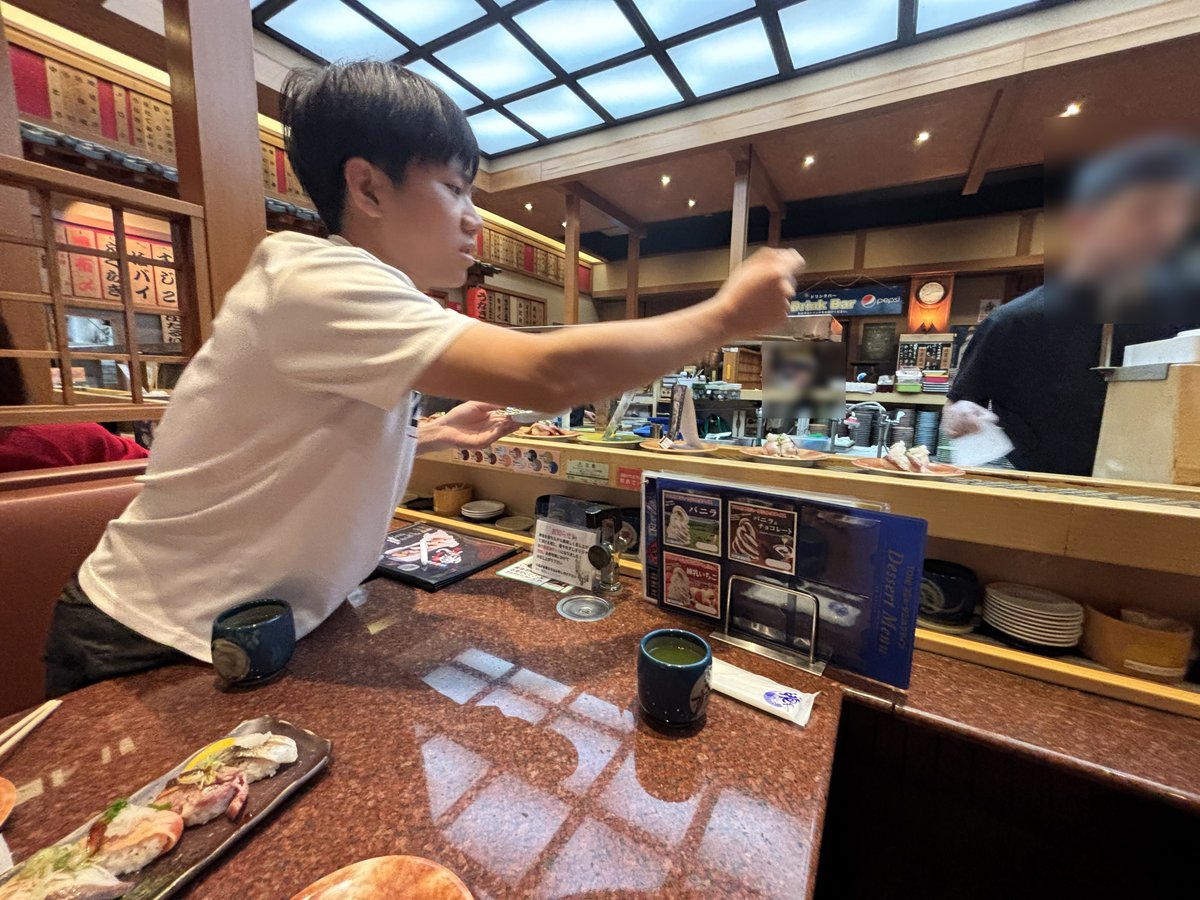
    Reaching for a plate on the lane, with a sushi chef working behind it

    On the day we went, we looked at the menu, wrote what we wanted on a piece of paper, and handed it to the chef. If it’s hard to say out loud, this makes things easy.
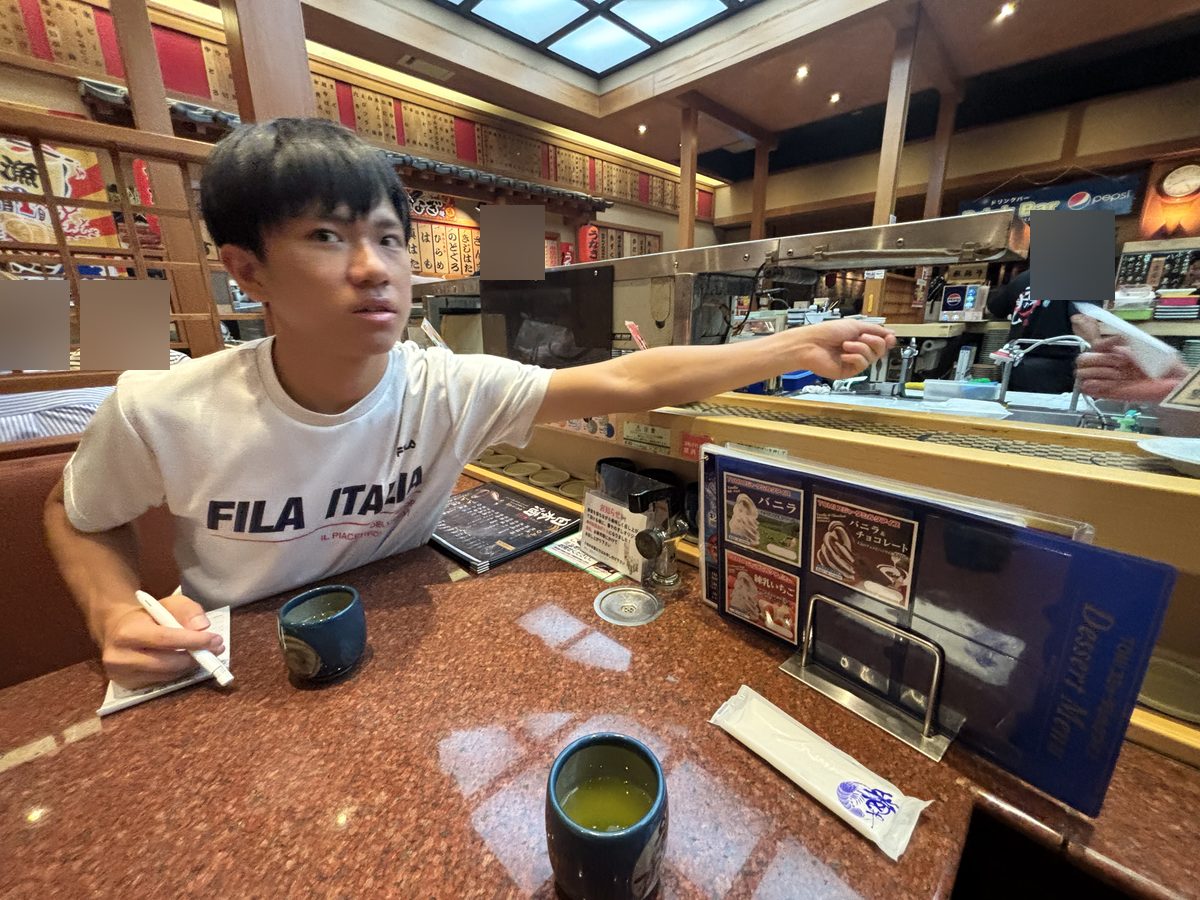
    Handing a written order slip to the chef
    Five-piece nigiri sushi platter
    Pouring soy sauce for sushi

    The menu we saw was in Japanese. If you can’t read it, another option is to point at a set on the menu, or at the sushi going around on the lane.
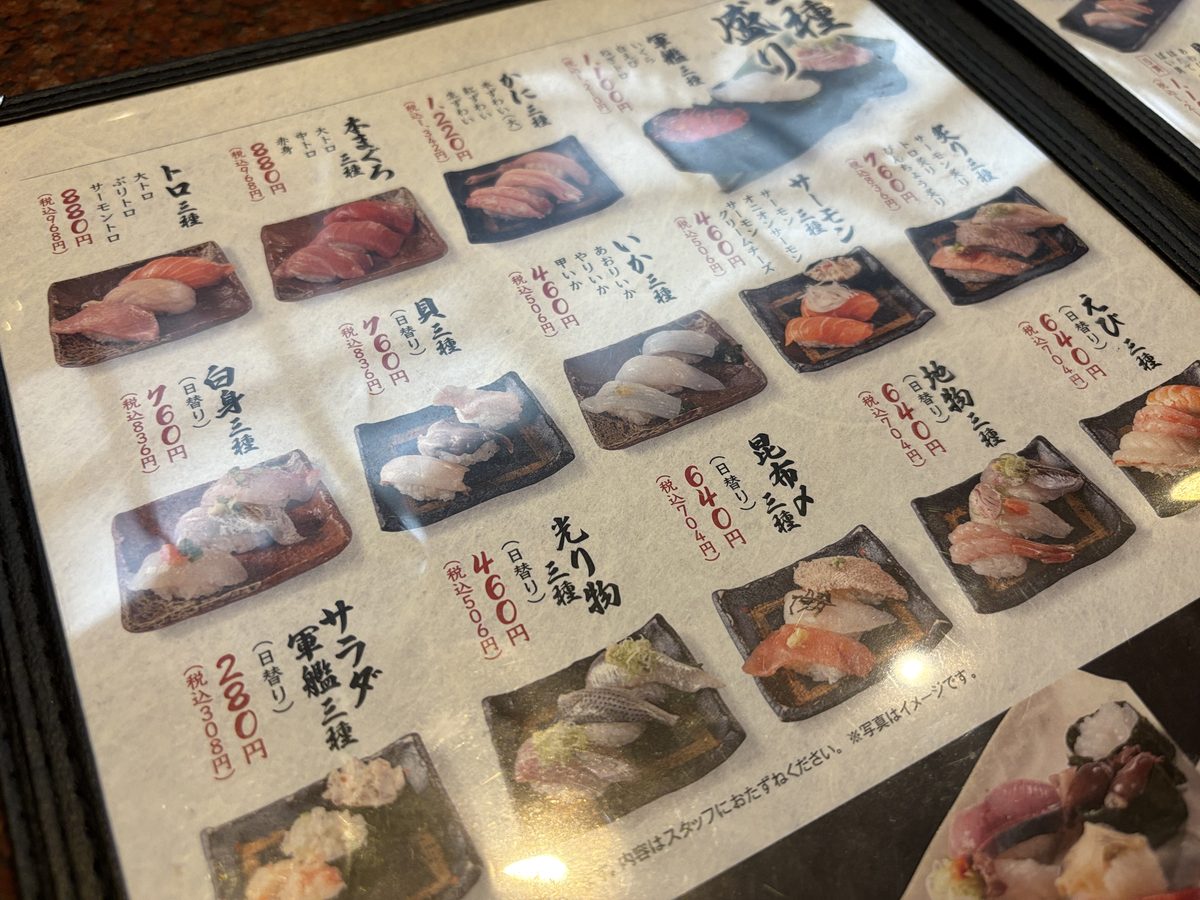
    Japanese menu page of three-piece sushi sets

    If you can’t figure out the menu, it’s totally fine to just order a set that looks tasty. A set packed with their recommendations? You can’t go wrong. Even Japanese people get the recommended set when they can’t decide

    As a rough guide to sets, the most affordable one, the “桜セット” (Sakura Set), is ¥1,375. Until 15:00, there’s also lunch starting at ¥605 (both prices include tax; official menu, October 2026). You can also ask for “ワサビ抜き” (wasabi-nuki, no wasabi) or “シャリ小さめ” (shari chiisame, less rice).
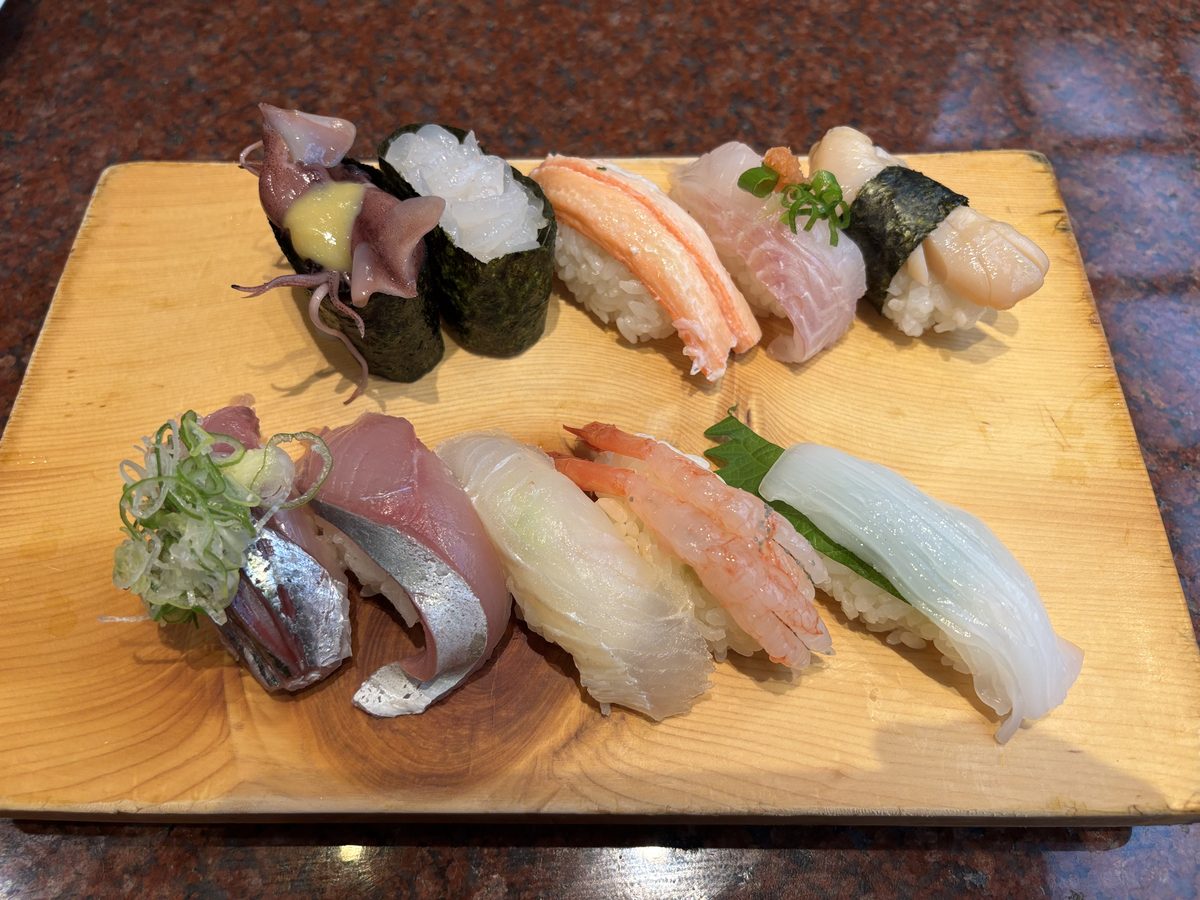
    Ten-piece nigiri sushi set

    Plates on the lane are priced by their color and pattern. At the restaurant that day, a plate cost ¥120 to ¥1,100 (¥132 to ¥1,210 including tax; as of October 2026).

    3 Fish from the Sea of Japan — It Changes with the Seasons

    Banya no Sushi’s fish arrives every day, mainly from 氷見漁港 (Himi Port) and 新湊漁港 (Shinminato Port) on Toyama Bay.

    In Toyama and Ishikawa, you can’t skip seared のどぐろ (nodoguro, blackthroat seaperch). Tuna’s great, of course, but in Hokuriku every fish is just bursting with flavor. Horse mackerel, sea bream, bonito, squid. And yellowtail. That day, the yellowtail and bonito were especially good! My son had yellowtail 3 times, and I had bonito 3 times (lol) My wife loves conger eel and freshwater eel. That day she had something unusual: straw-grilled eel. And her favorite, conger eel, she ordered 2 times (lol)
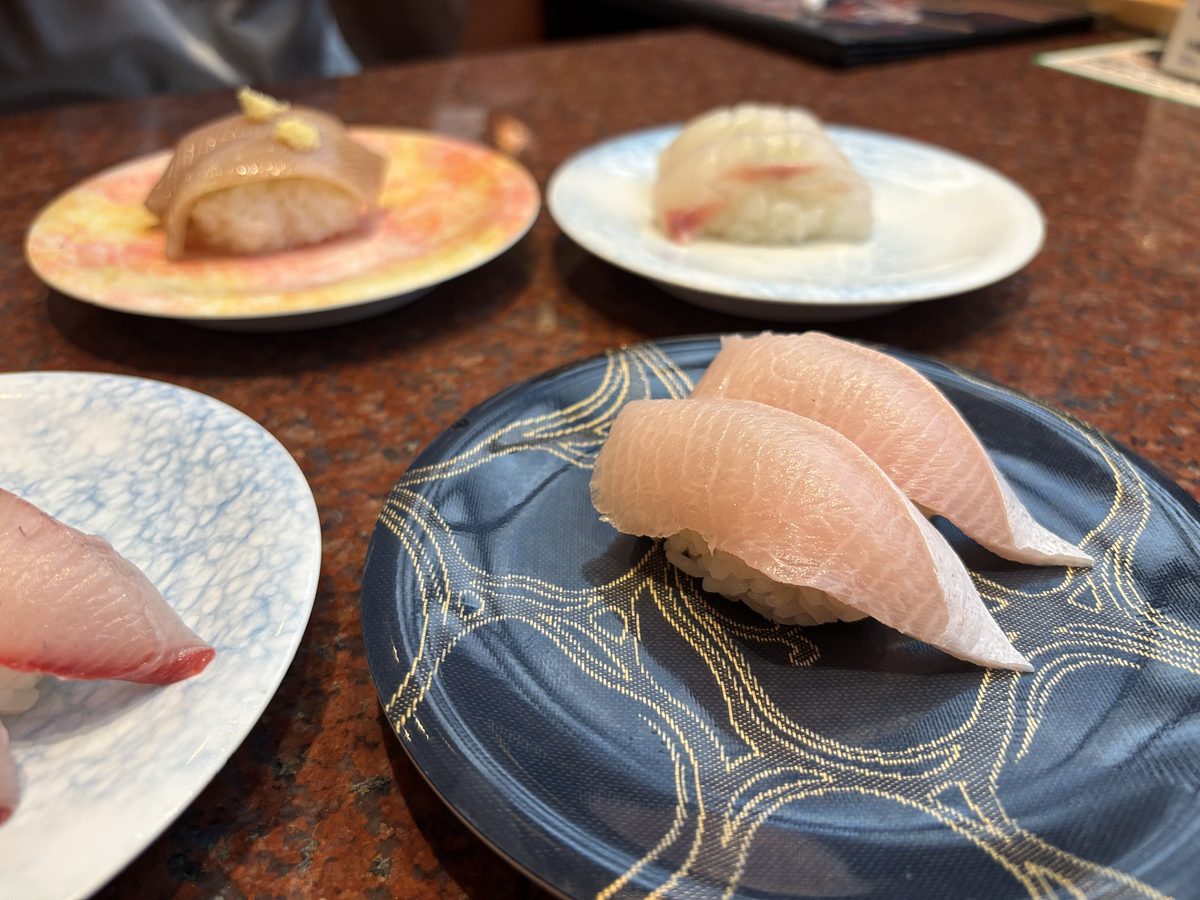
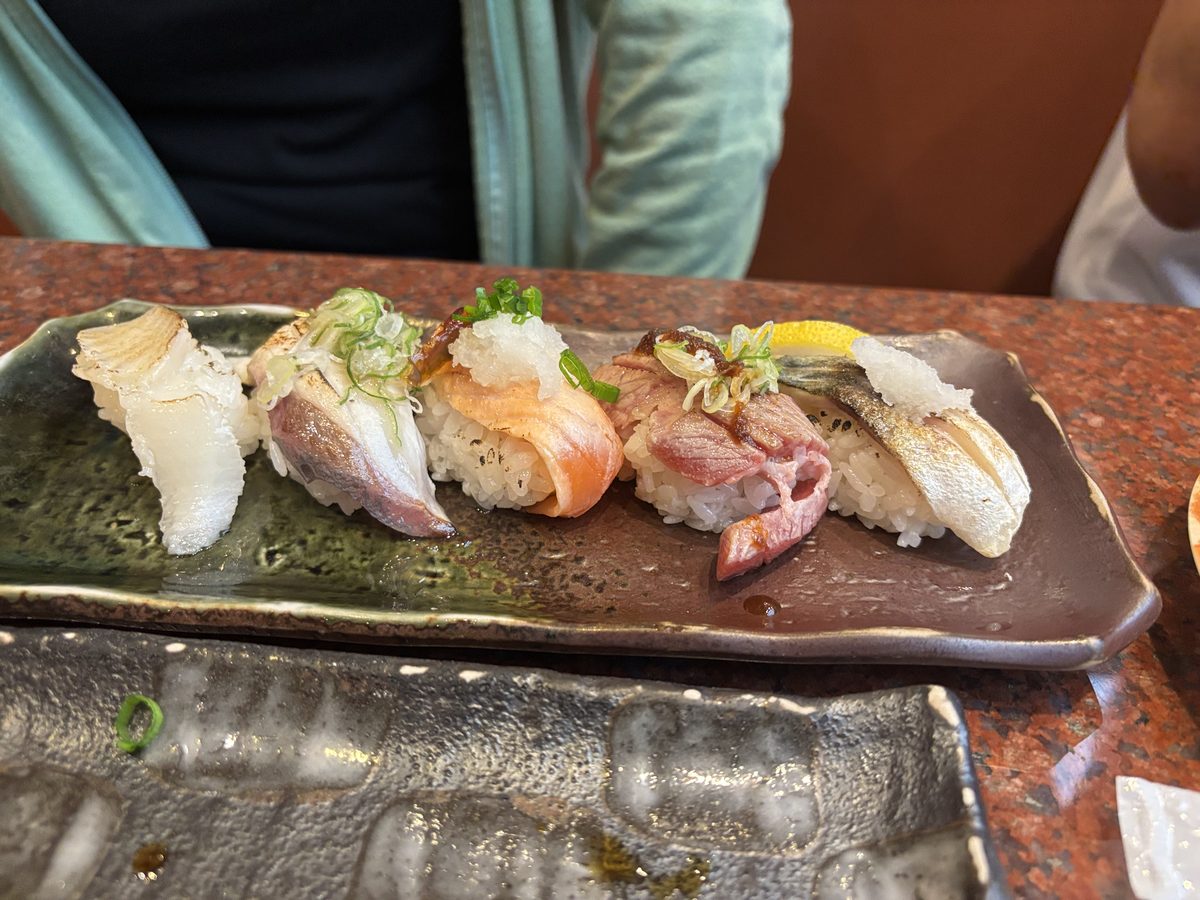
    Yellowtail nigiri on a navy-and-gold plate
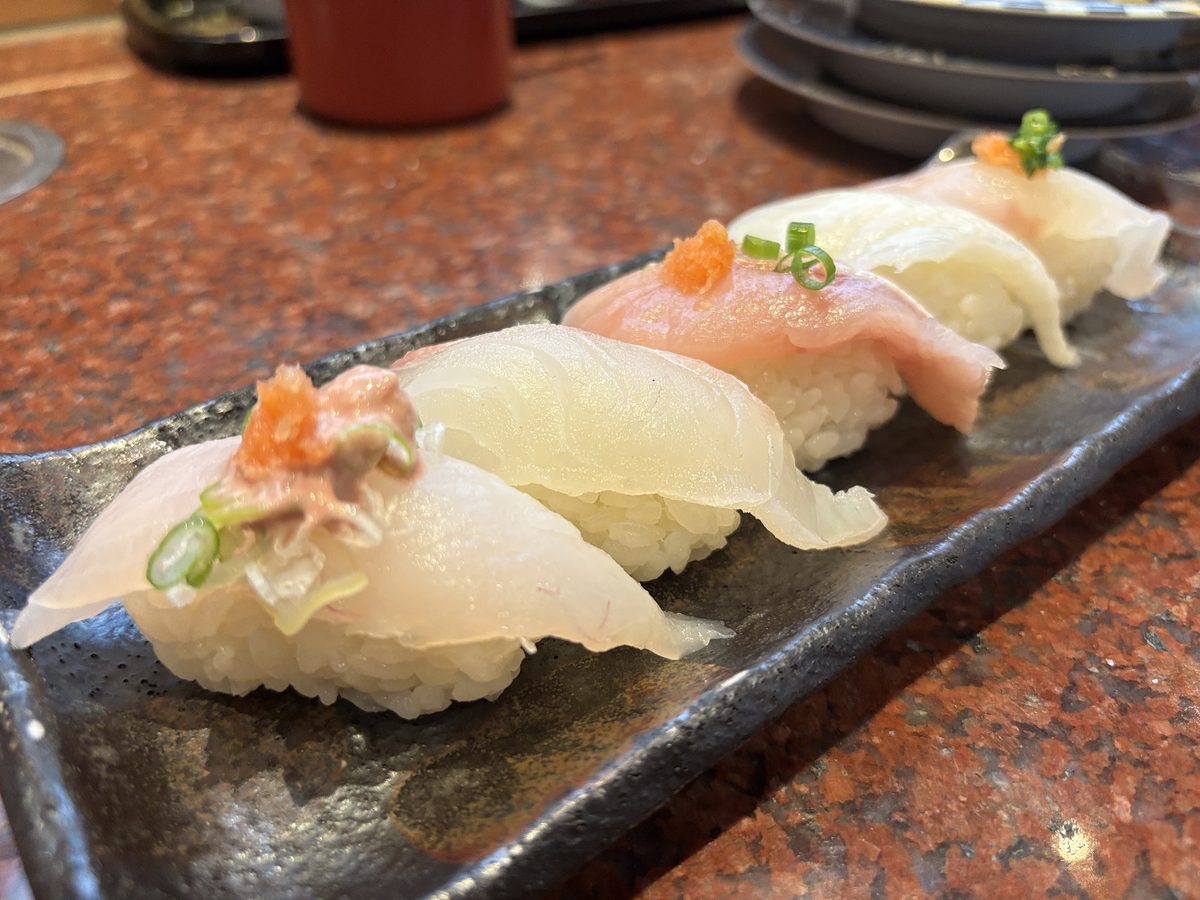
    Five pieces of seared nigiri
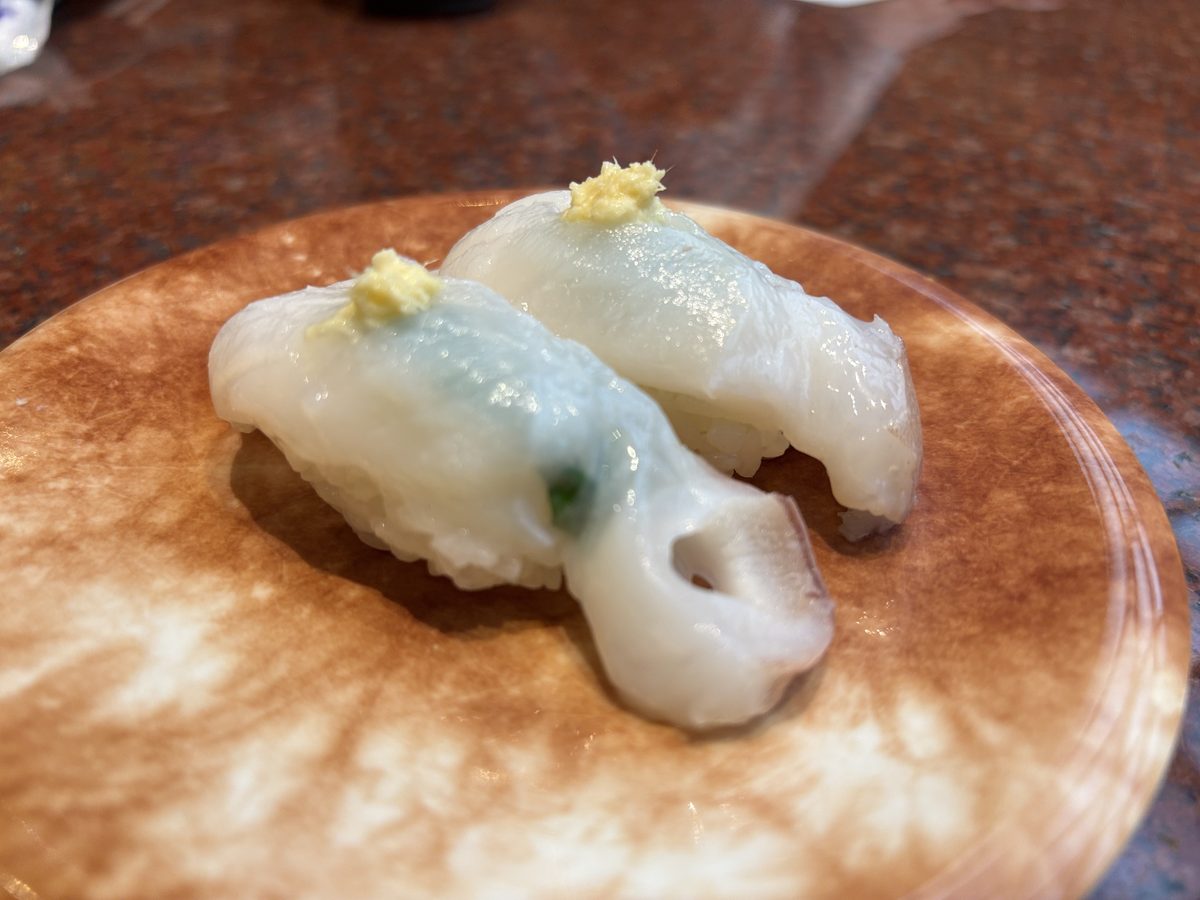
    Two pieces of squid nigiri

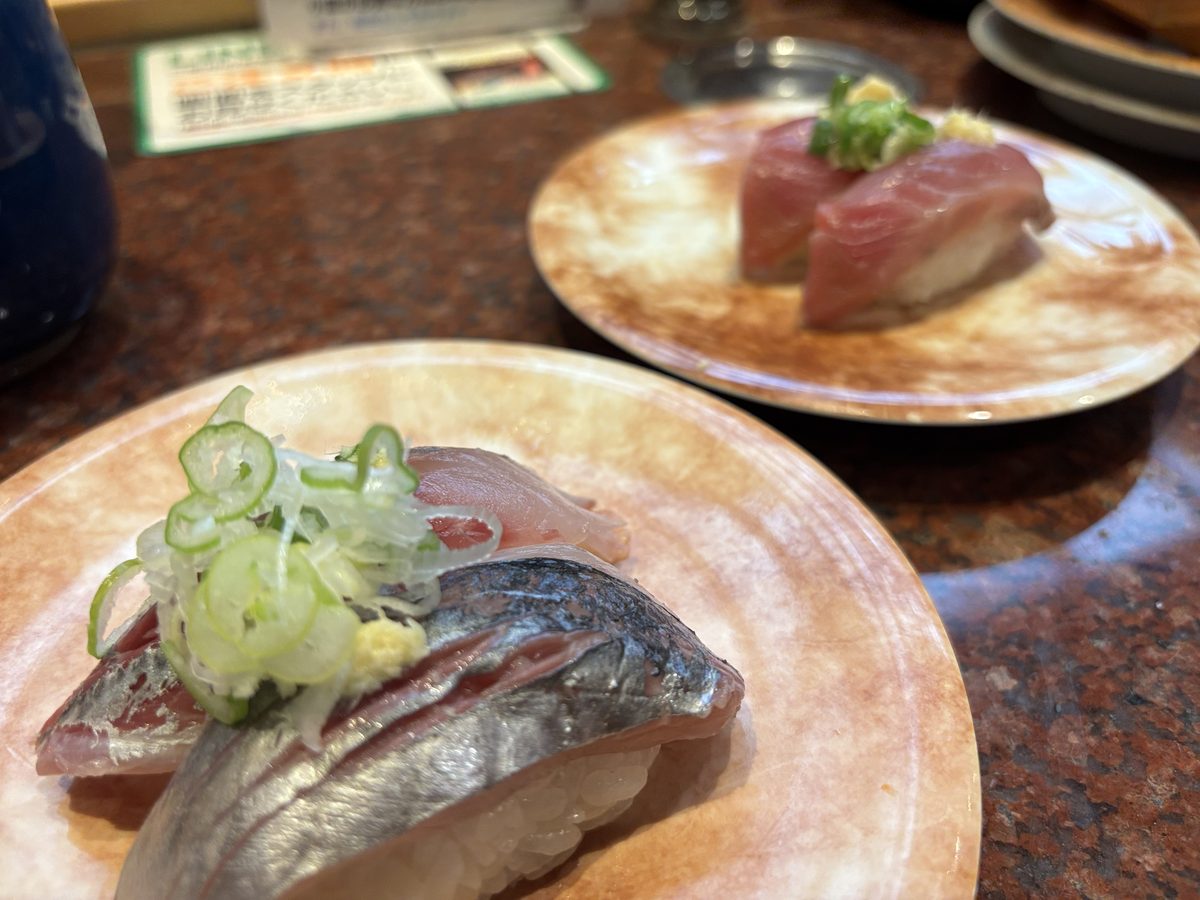
    We also ordered tuna and horse mackerel.
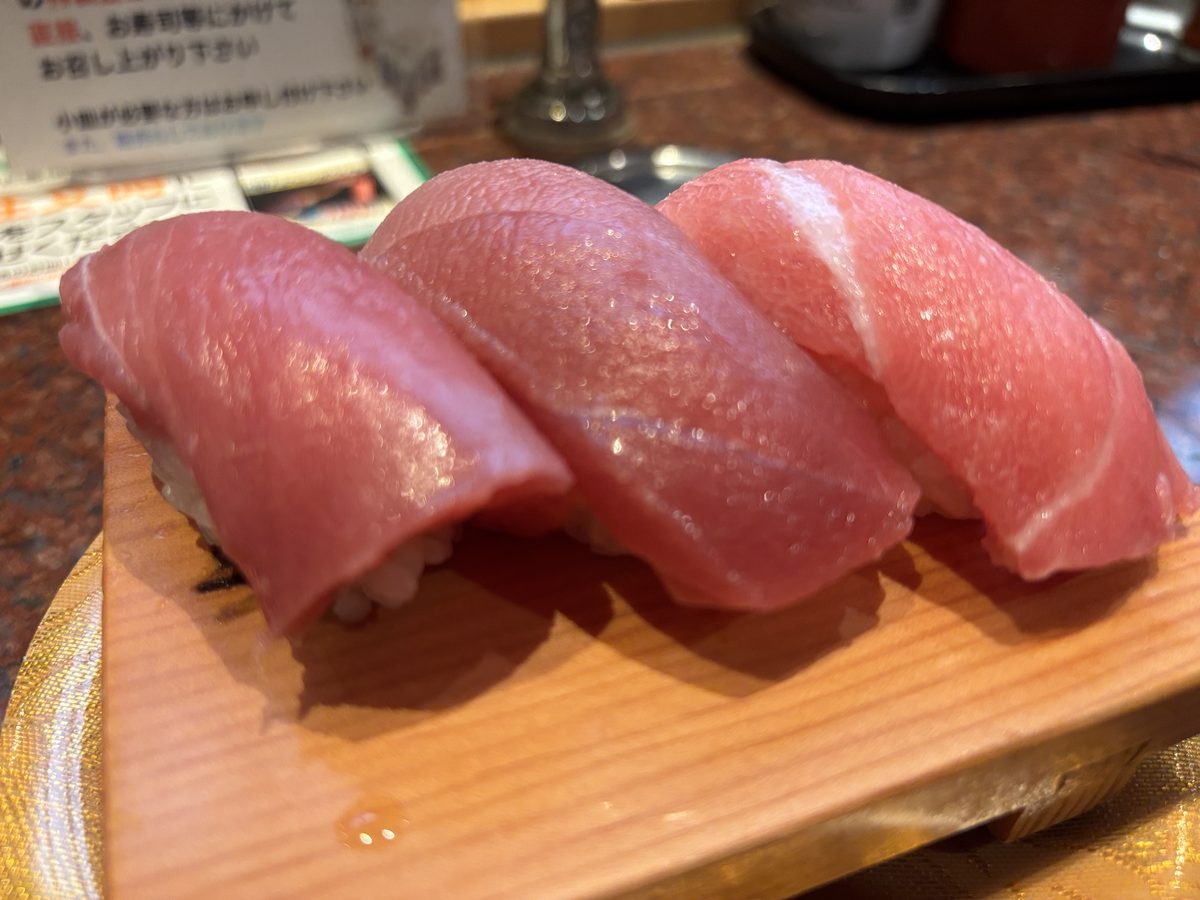
    Three pieces of tuna nigiri
    Horse mackerel (aji) nigiri topped with green onion and ginger

    Each season has its stars, too. In winter, it’s “ひみ寒ぶり” (Himi kan-buri): big, fatty yellowtail landed at Himi from around late November to February. In spring, it’s ホタルイカ (hotaru-ika, firefly squid; around March to May). 白えび (shiro-ebi, white shrimp), called “the jewel of Toyama Bay,” is another spring catch the restaurant lists.

    That day, we also ordered あら汁 (ara-jiru). It’s a miso soup with fish ara (the head and the parts around the bones) in it.
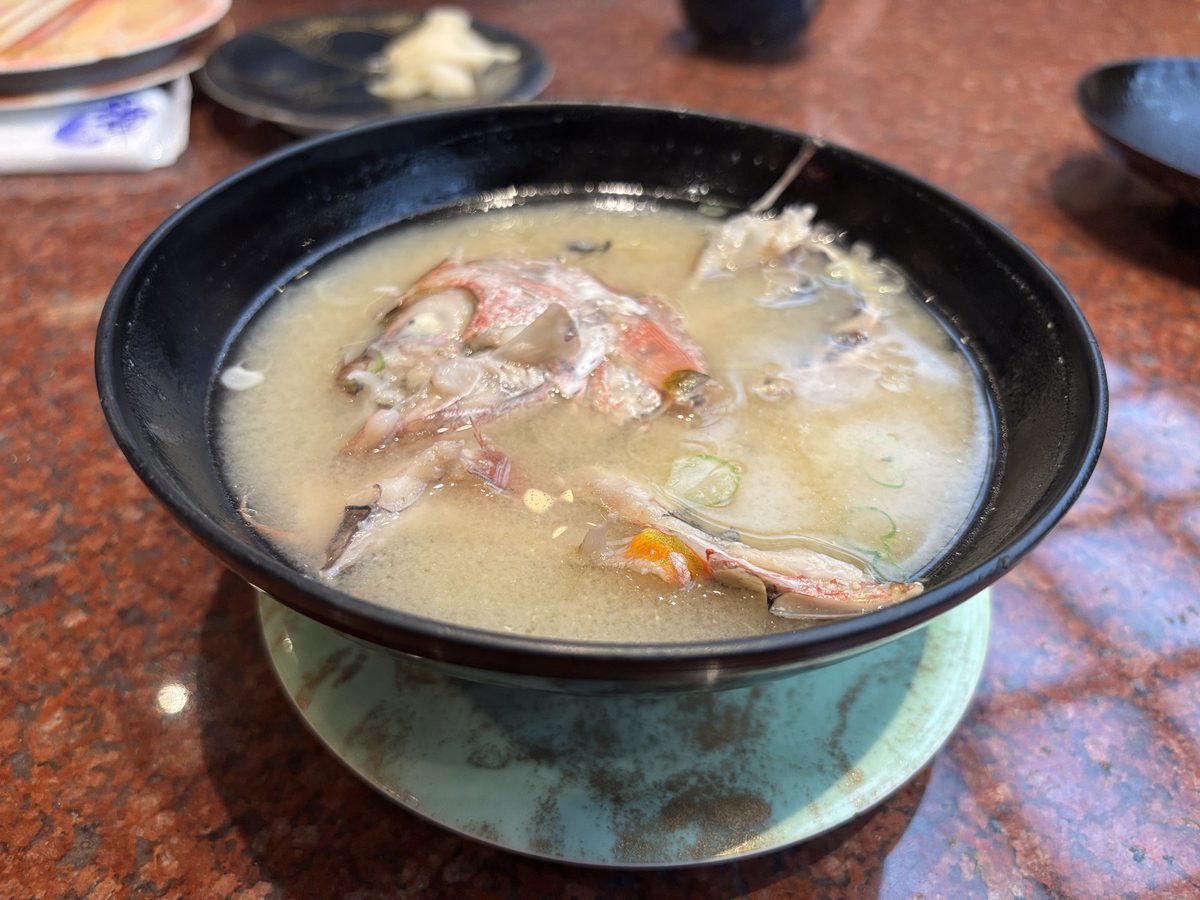
    Miso soup with fish trimmings (ara-jiru)

    We stacked our plates on the table as we ate. Then, at the end, it was time to pay.
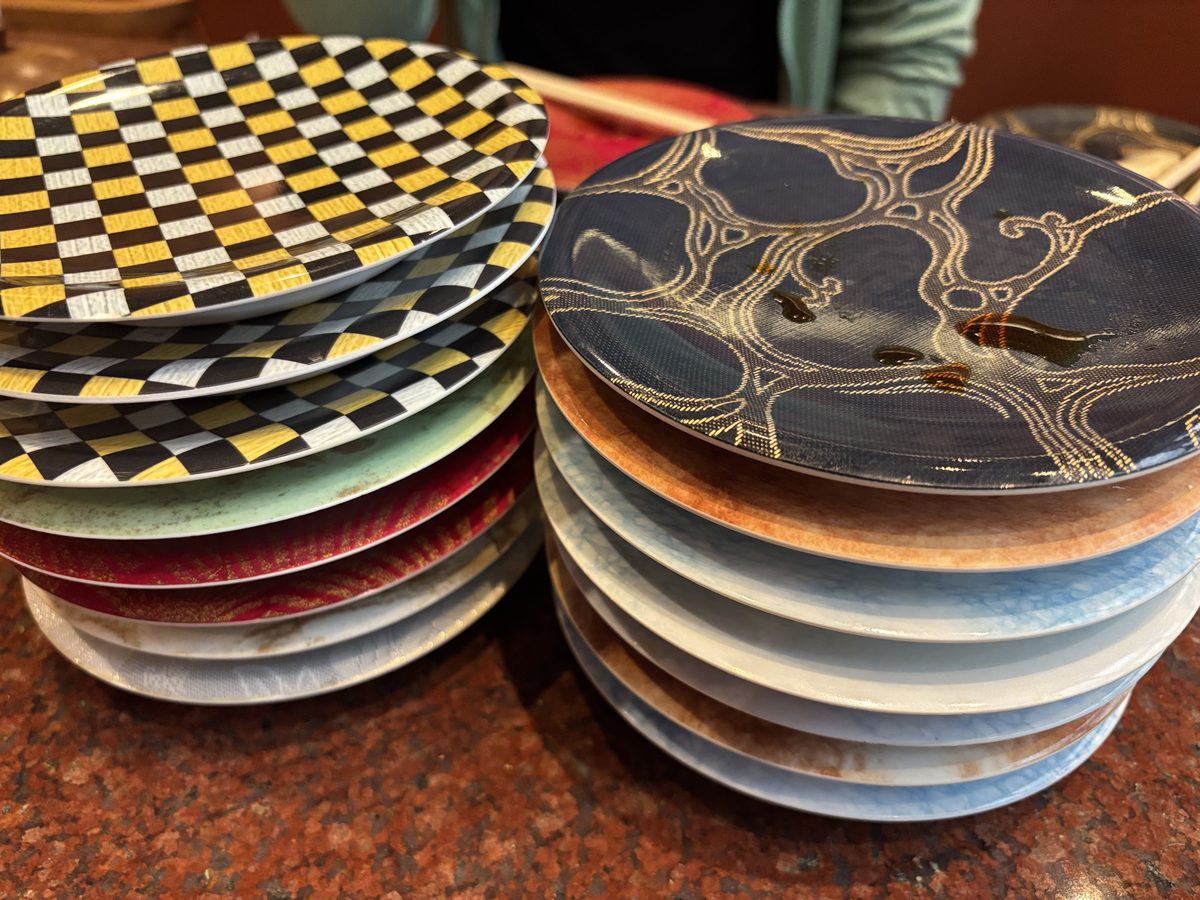
    Stack of empty sushi plates

    Handy for Times Like These

    For local fish in Toyama, without any fuss. Banya no Sushi has 4 restaurants in Toyama Prefecture: 大沢野店 (Osawano branch), 古沢店 (Furusawa branch), 小杉店 (Kosugi branch) and 高岡野村店 (Takaoka Nomura branch). They’re open 11:00–15:00 and 17:00–21:00, and each restaurant closes on different days, so check the official website before you go.
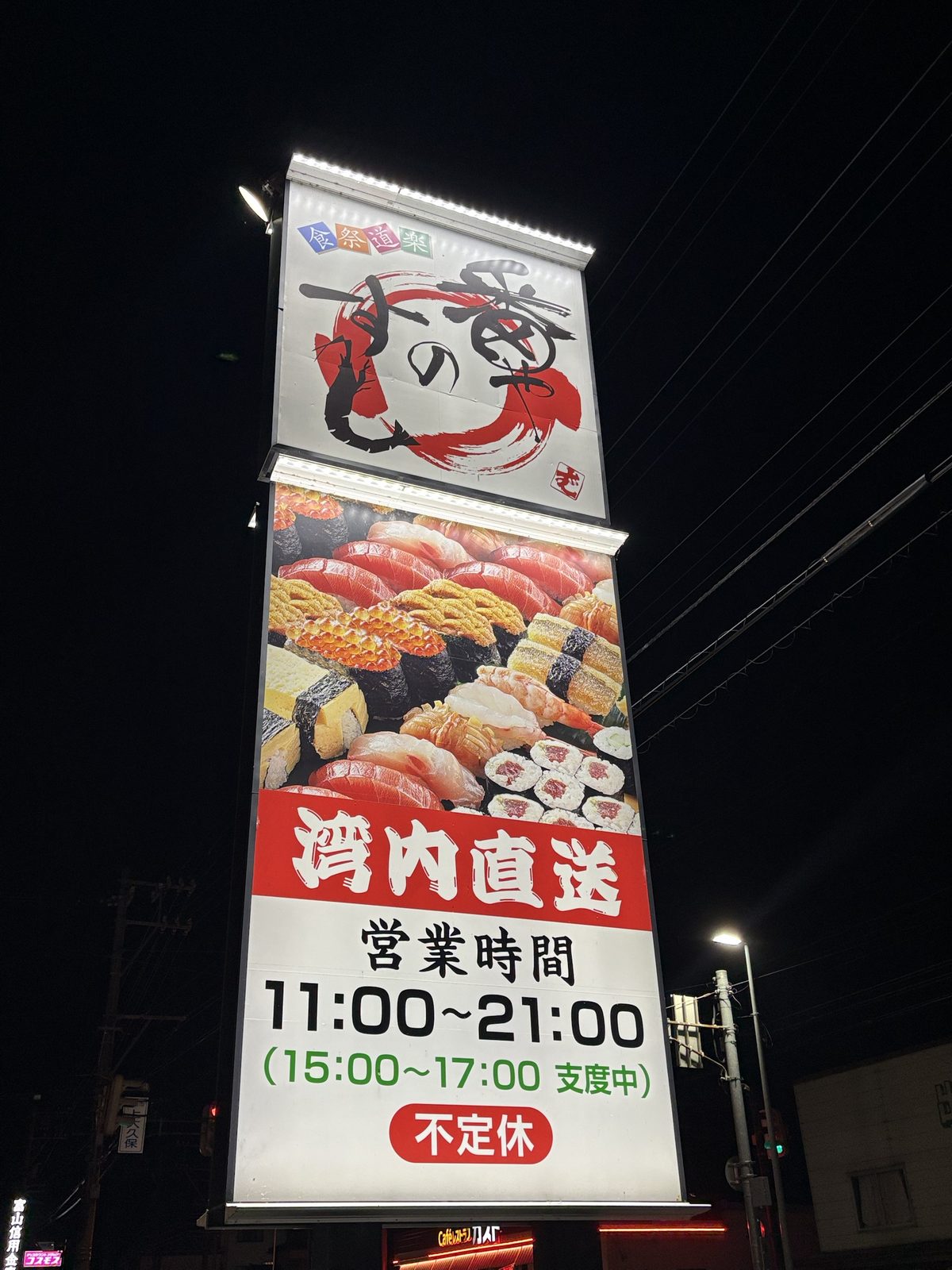
    Roadside sign with opening hours

    Getting takeout? Orders and reservations are taken by phone or in person at the restaurant. On Saturdays, Sundays and holidays, reserving early can cut down your wait. (For reserving a table, check the official website.)

    For people who can’t eat certain foods: we couldn’t find any allergen information on the official website. If you have allergies, contact the restaurant before you go.
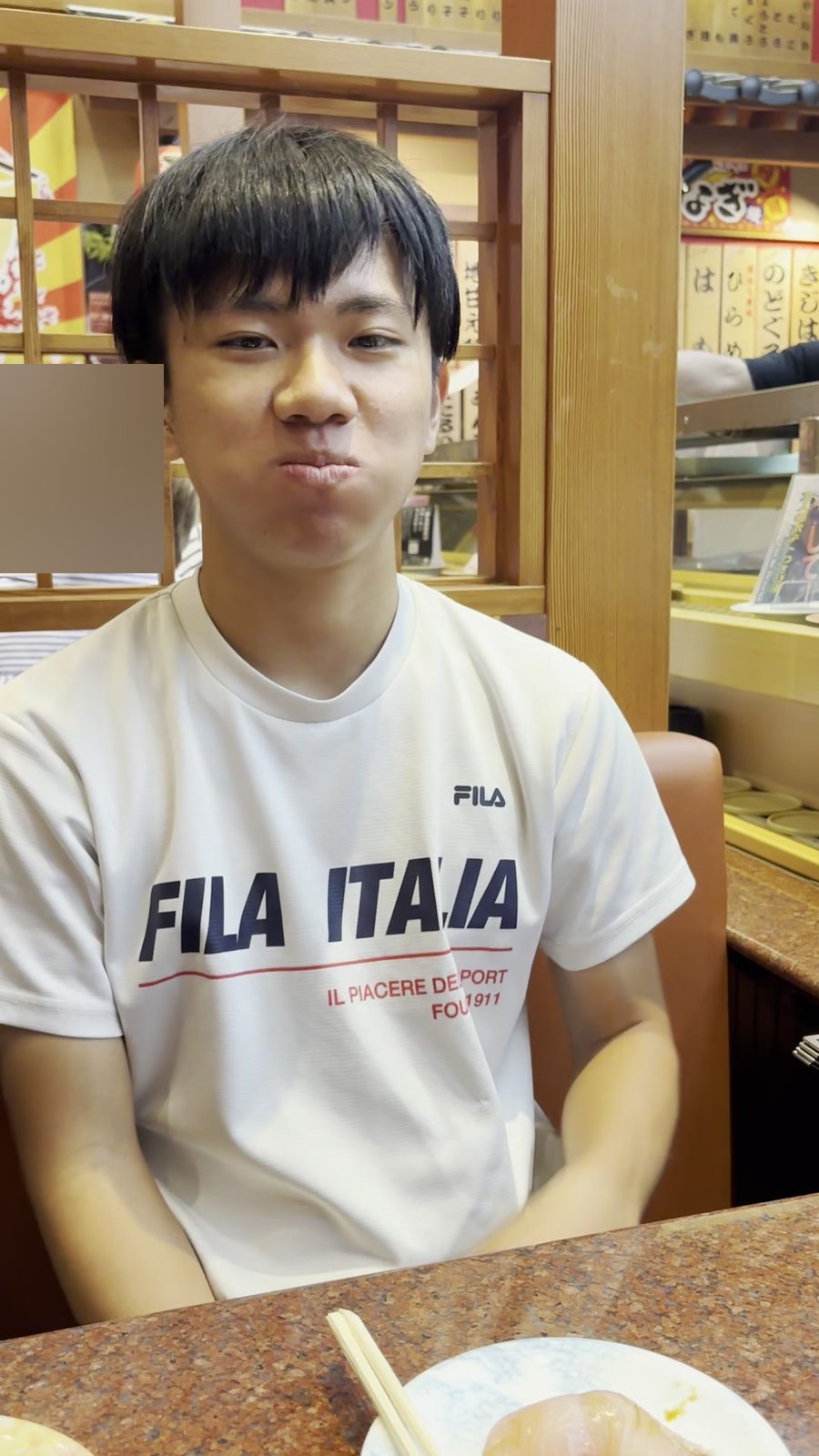
    Satisfied face after eating sushi

    The food in Ishikawa (Kanazawa) and Toyama is seriously delicious. I really want you to try the sashimi from the Sea of Japan. When you’re in Ishikawa or Toyama, skip the nationwide chains and try a local conveyor-belt sushi chain. And I especially recommend Banya no Sushi!

    Official sources we checked (9)

    ・Banya no Sushi (official): Restaurants (in Japanese)

    ・Banya no Sushi (official): Menu (in Japanese)

    ・Banya no Sushi (official): Takeout (Including Reservation Information) (in Japanese)

    ・Banya no Sushi (official): Our Commitment to Flavor (in Japanese)

    ・Banya no Sushi (official): Toyama’s Seasonal Fish (in Japanese)

    ・Travel Japan (Japan National Tourism Organization): Treasures from the Bay of Toyama

    ・Visit Toyama (Toyama Prefecture Tourism Organization): 11 Must-Try Local Delicacies of Toyama

    ・Tripa (Nippon Travel Agency): Great Quality, Unbeatable Value! 7 Recommended Conveyor-Belt Sushi Restaurants in Toyama (in Japanese)

    ・Retty: Banya no Sushi Osawano (Toyama City / Conveyor-Belt Sushi) (in Japanese)
  • Marugame Seimen (Marugame Udon, 丸亀製麺) | The Udon That Soba-Loving Nagano Locals Can’t Help Craving

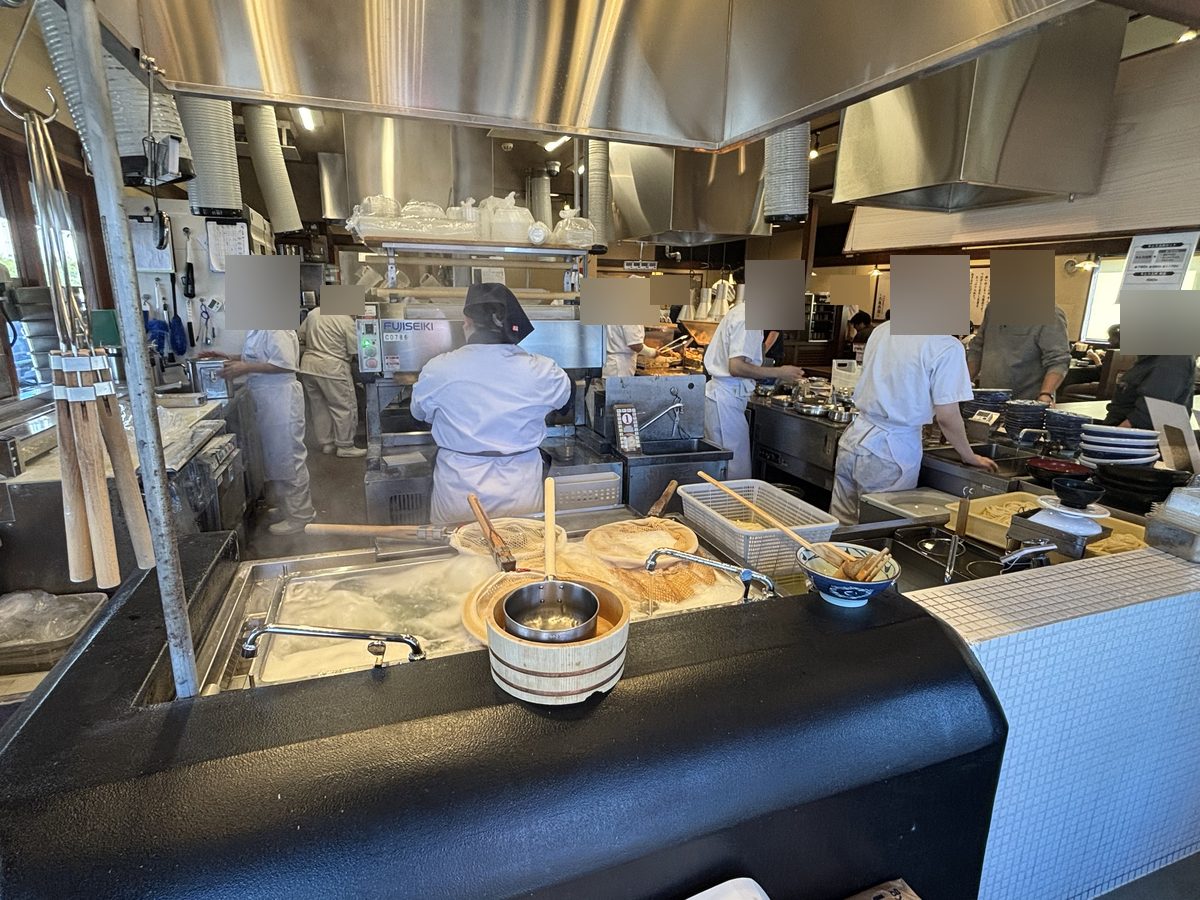
    A Marugame Seimen in Nagano Prefecture. Step inside, and steam is rising beyond the counter as the staff boil one batch of noodles after another. What Marugame Seimen promises is 打ち立て・茹でたて (uchitate, yudetate: “freshly made, freshly boiled”). Their signature 釜揚げうどん (kamaage udon), in particular, is proud of its savory wheat flavor and faint aroma.

    Open kitchen where the udon is boiled

    We Nagano people just love our soba. But every now and then, what I get a real craving for is Marugame udon (The writer lives in Nagano Prefecture and loves soba.)

    Freshly boiled noodles have 2 sides. Straight out of the pot, they’re plump, soft and chewy. Rinsed in cold water, they firm up, with sharp edges and real bite. “Chewy, with a good bite” is something you often hear from people who’ve eaten here.

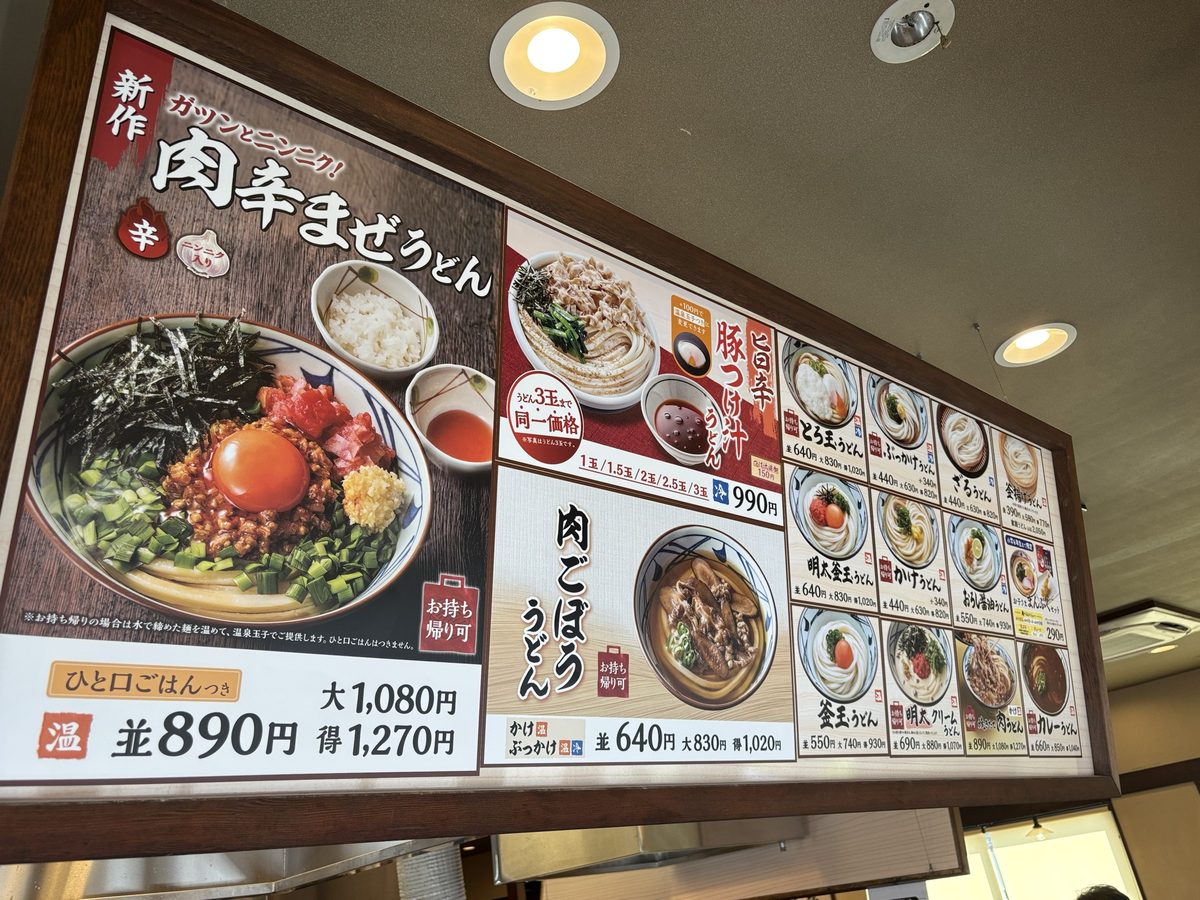
    It’s simple: order your udon, take your tempura, and pay. Point at a photo on the menu board, and you can eat here even if you can’t read Japanese.

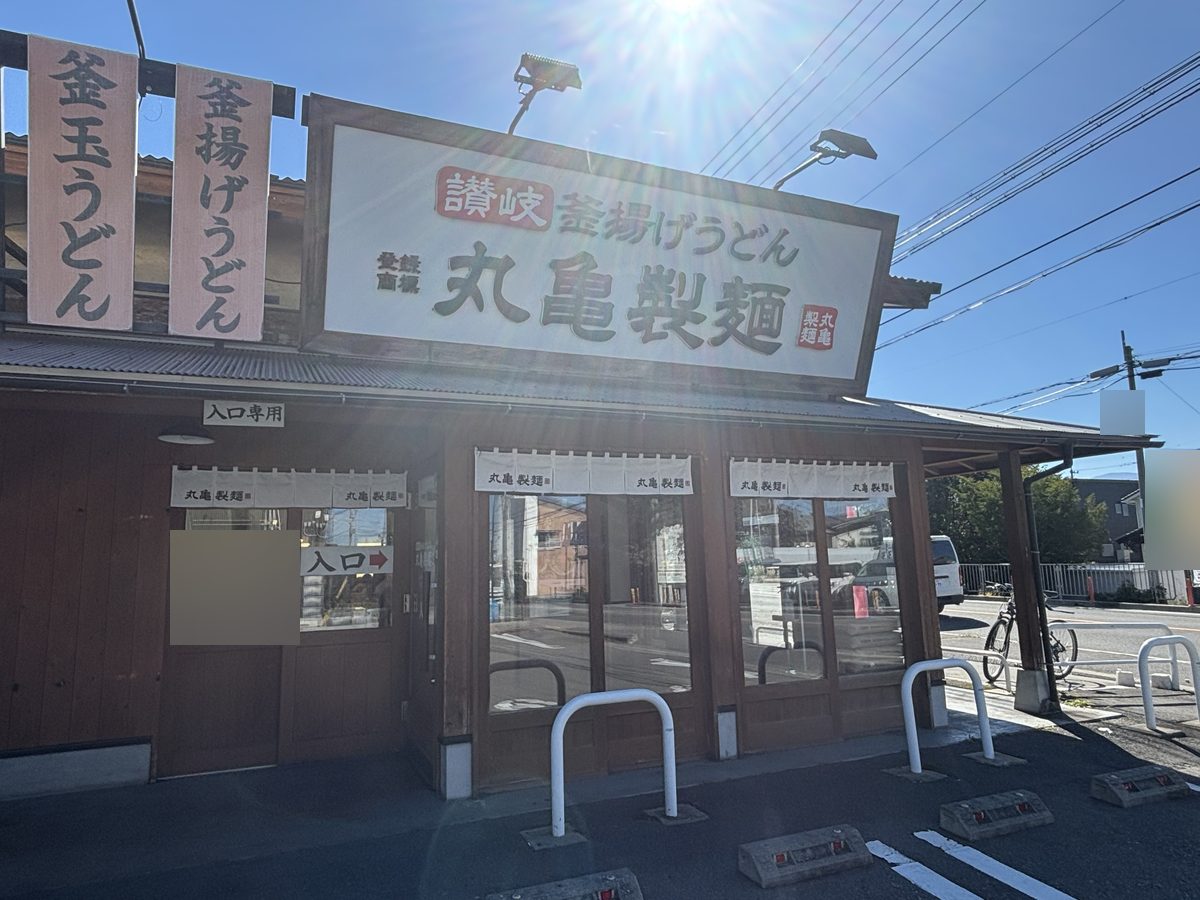
    Exterior and entrance of a Marugame Seimen restaurant

    1 First, Order Your Udon — You Can Just Point at the Board

    Move along with the line, and the first stop is the udon counter. Here you tell them 3 things: the type of udon, the size, and whether you want it cold or hot.

    Sizes are 並 (regular, 1 portion), 大 (large, 1.5 portions) and 得 (extra-large, 2 portions). Some menu items also come in 小 (small, 3/4 portion).

    Can’t read the menu names? No problem. Just point at the big photo menu board above the counter, and they’ll understand.

    Picture menu board above the counter

    As a rough guide, a 並 of かけうどん (kake udon, noodles in hot broth) or ざるうどん (zaru udon, cold noodles you dip in a sauce) is ¥440, and a 並 of きつねうどん (kitsune udon, udon topped with sweet simmered fried tofu) is ¥640 (official menu, October 2026). Prices can vary by store and over time.

    釜揚げうどん (kamaage udon) is hot, freshly boiled udon that you dip in dashi broth.

    There’s a great variety, and it’s all good, but if it’s your first time, go for 釜揚げ (hot) or ざるうどん (cold). You get to taste what udon is really all about. Oh, and the かき揚げ (kakiage, a crispy fritter of mixed vegetables in tempura batter) is out of this world

    2 The Tempura Shelf — Look and Take

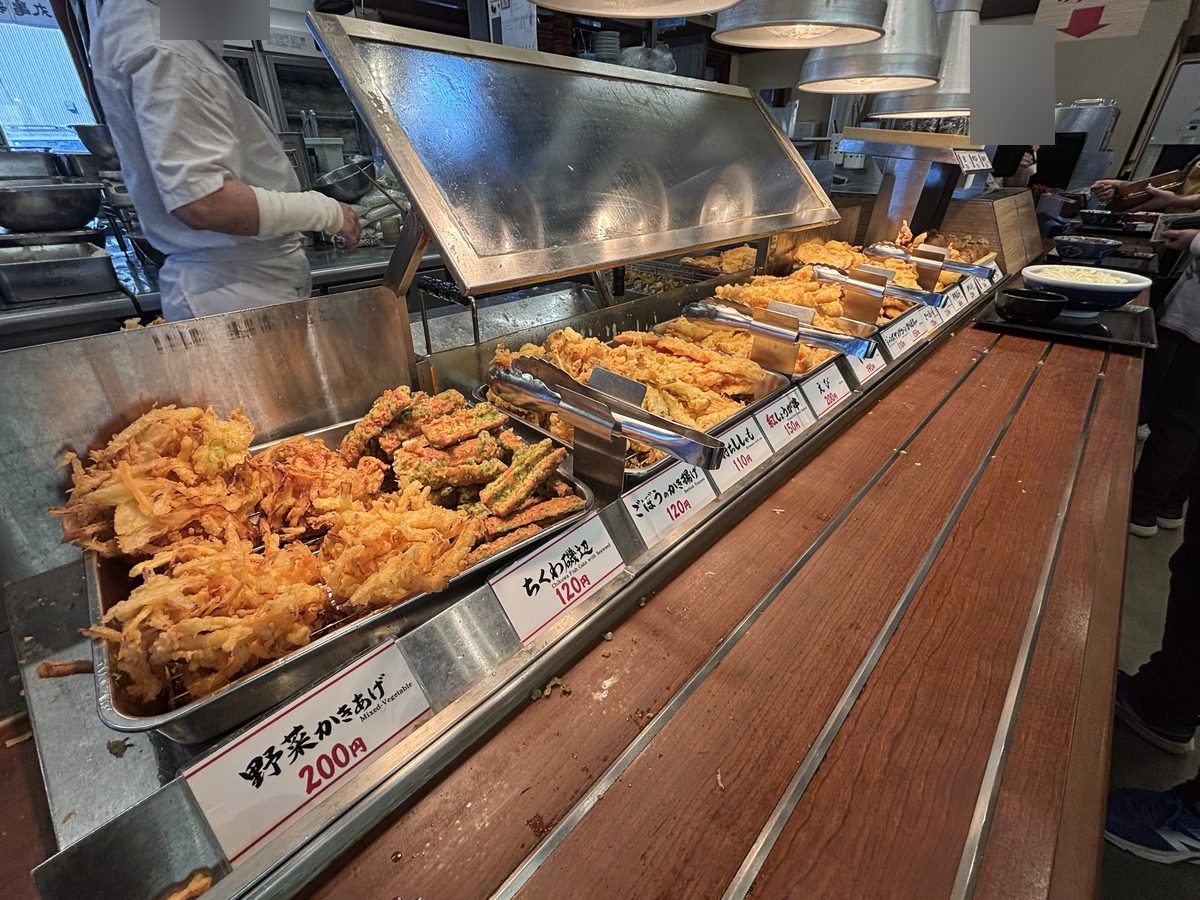
    Once you have your udon, set it on your tray and head to the tempura shelf. かき揚げ, shrimp, chikuwa (fish cake), かしわ (chicken)… a whole row of tempura, all lined up.

    Tempura counter with price tags

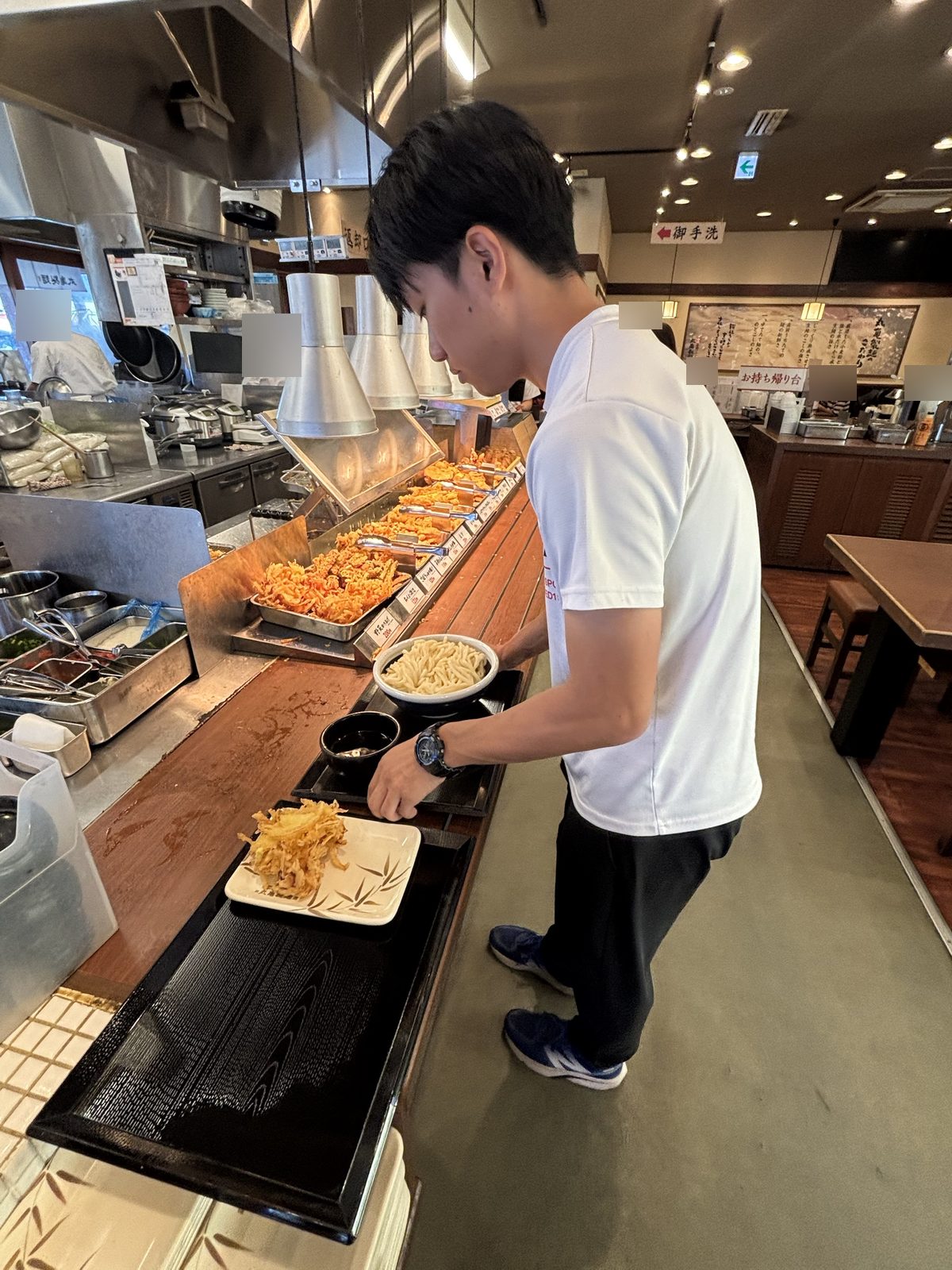
    No words needed here. Just use the tongs to put what you want on a plate. At this store, the price tags had the English name in small letters under the Japanese name (foreign-language labels differ from store to store).

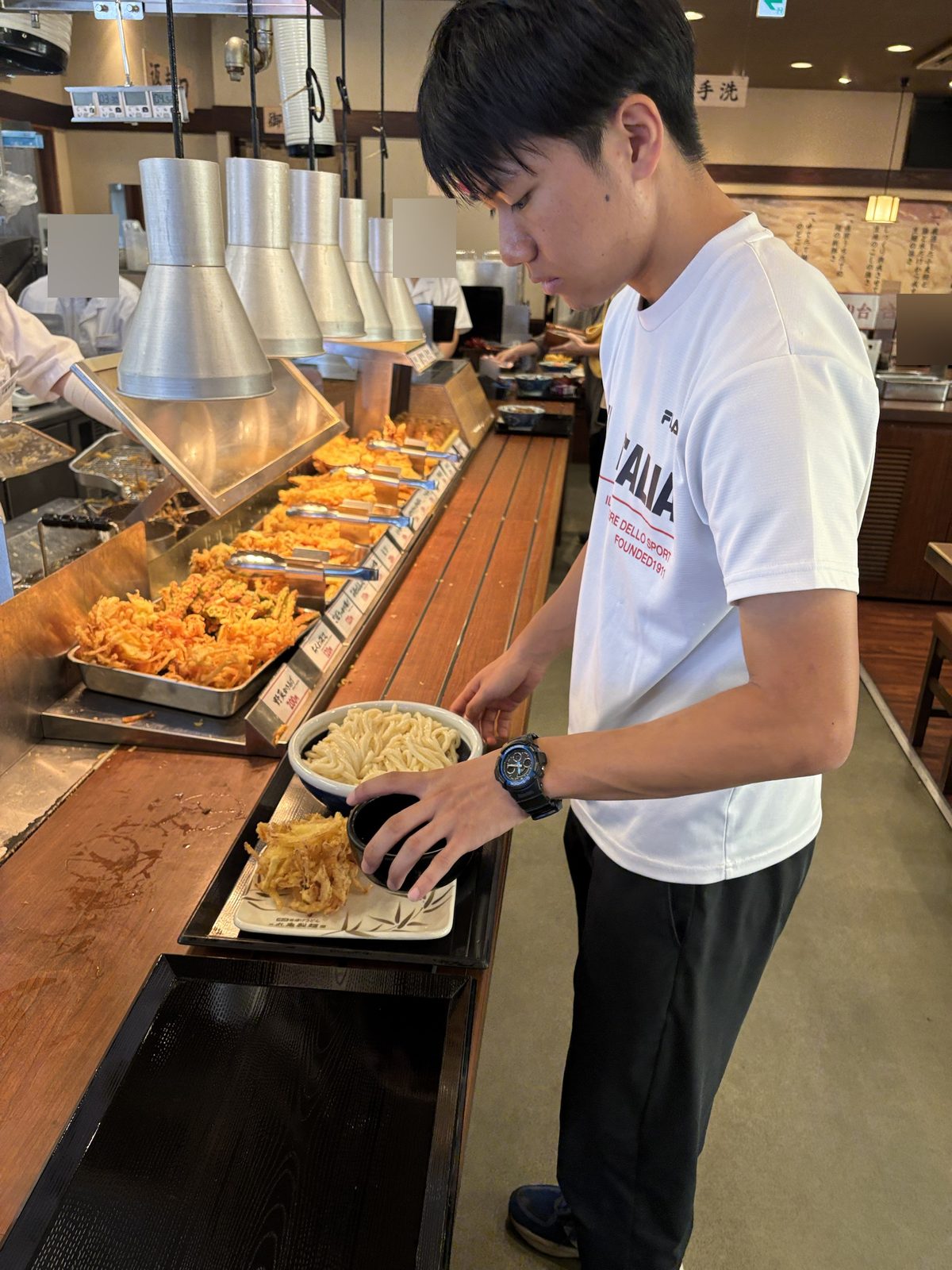
    Taking tempura with tongs onto a plate
    Placing the dipping sauce bowl on the tray

    Tempura runs about ¥120 to ¥220 apiece. Some people say it’s freshly fried and crispy. You pay at the register for however many pieces you took.

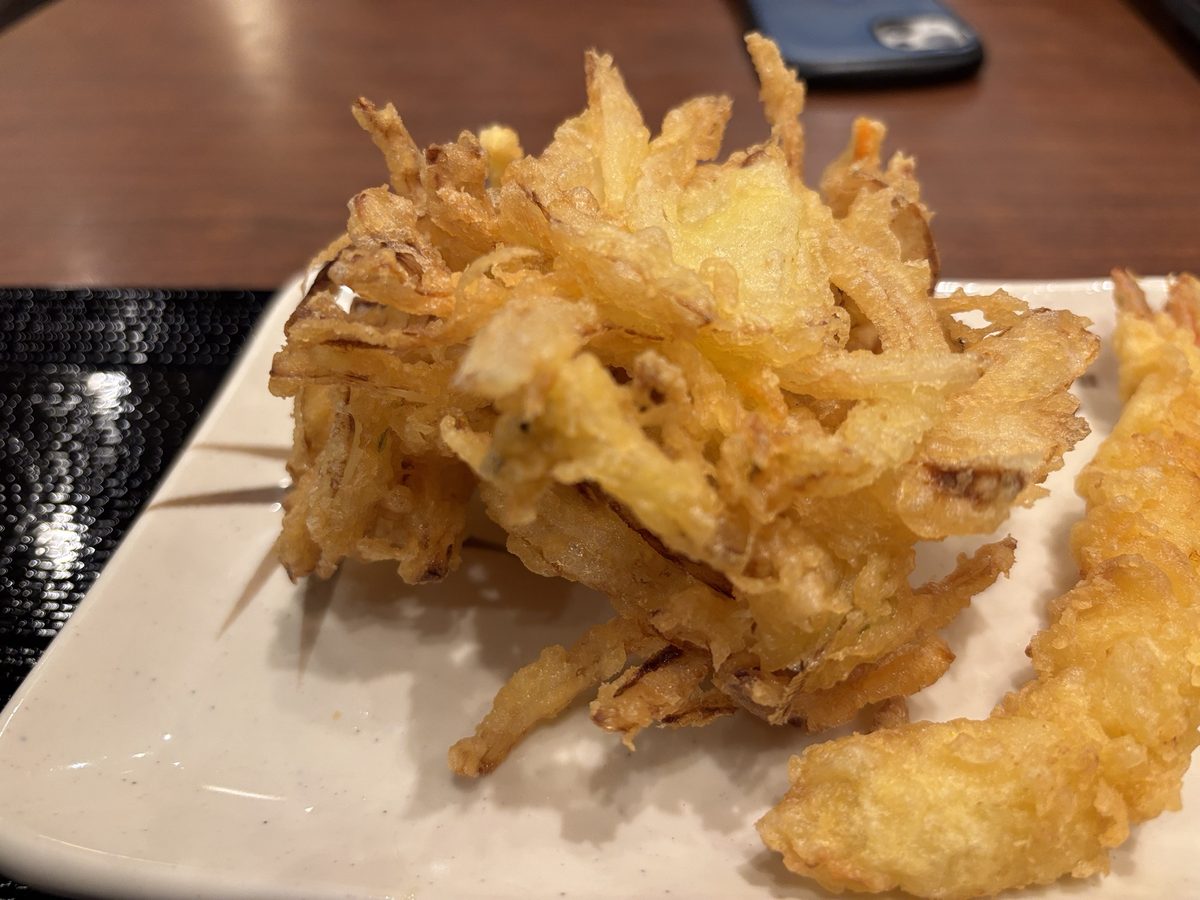
    Vegetable kakiage and shrimp tempura

    3 After You Pay — Condiments, as Much as You Like

    Once your tray is ready, head to the register. Many stores accept credit cards and transit IC cards (such as Suica), but it’s reassuring to have a little cash on you too.

    After you pay, there’s a condiment corner. Green onions, tenkasu (crunchy bits of tempura batter), grated ginger, ground sesame and more: there are 8 kinds of free condiments and toppings. Put them on your udon and make the bowl your own. You can help yourself to water or tea here, too.

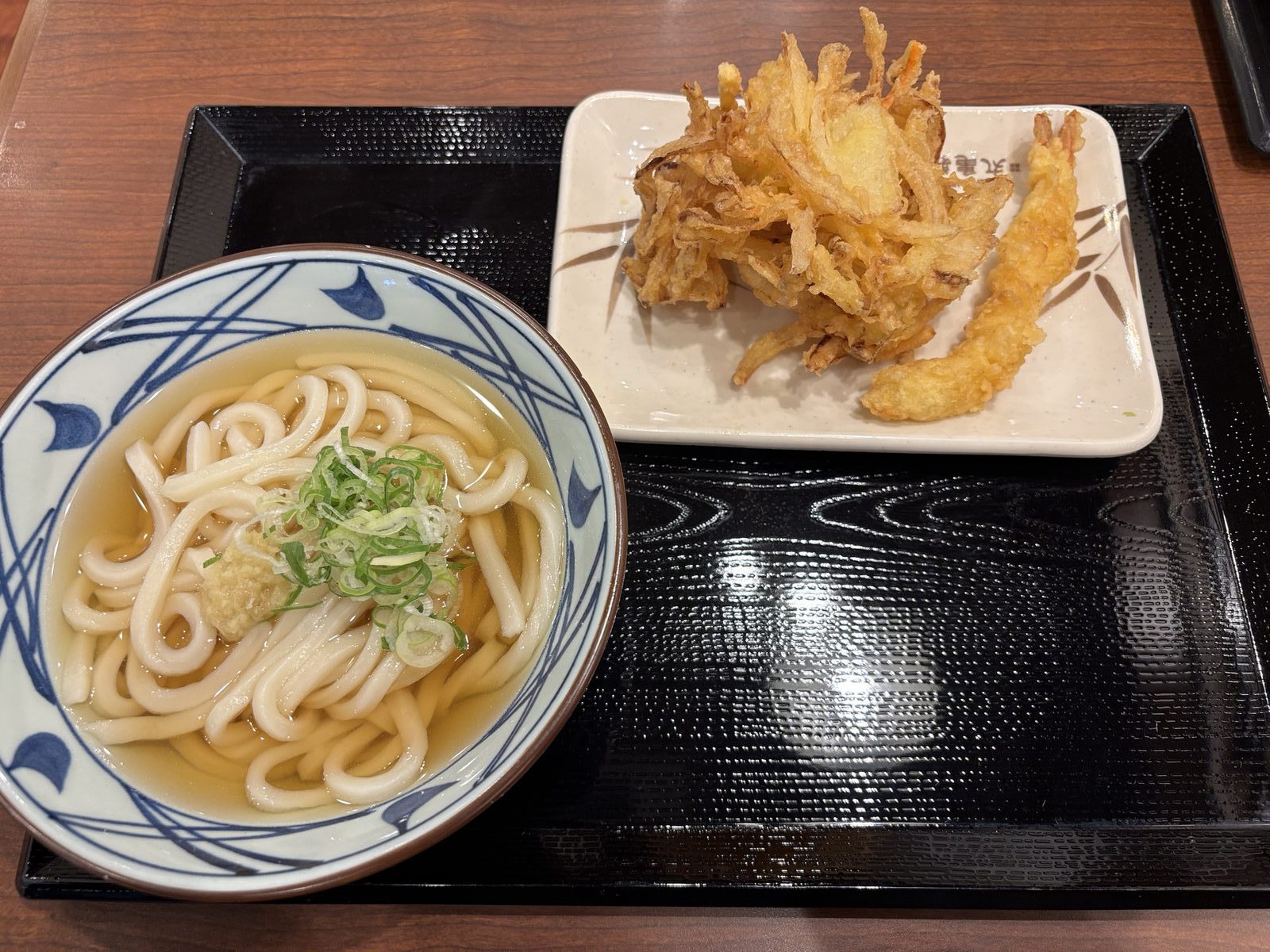
    Tray with kake udon and tempura

    4 At Your Seat — Itadakimasu

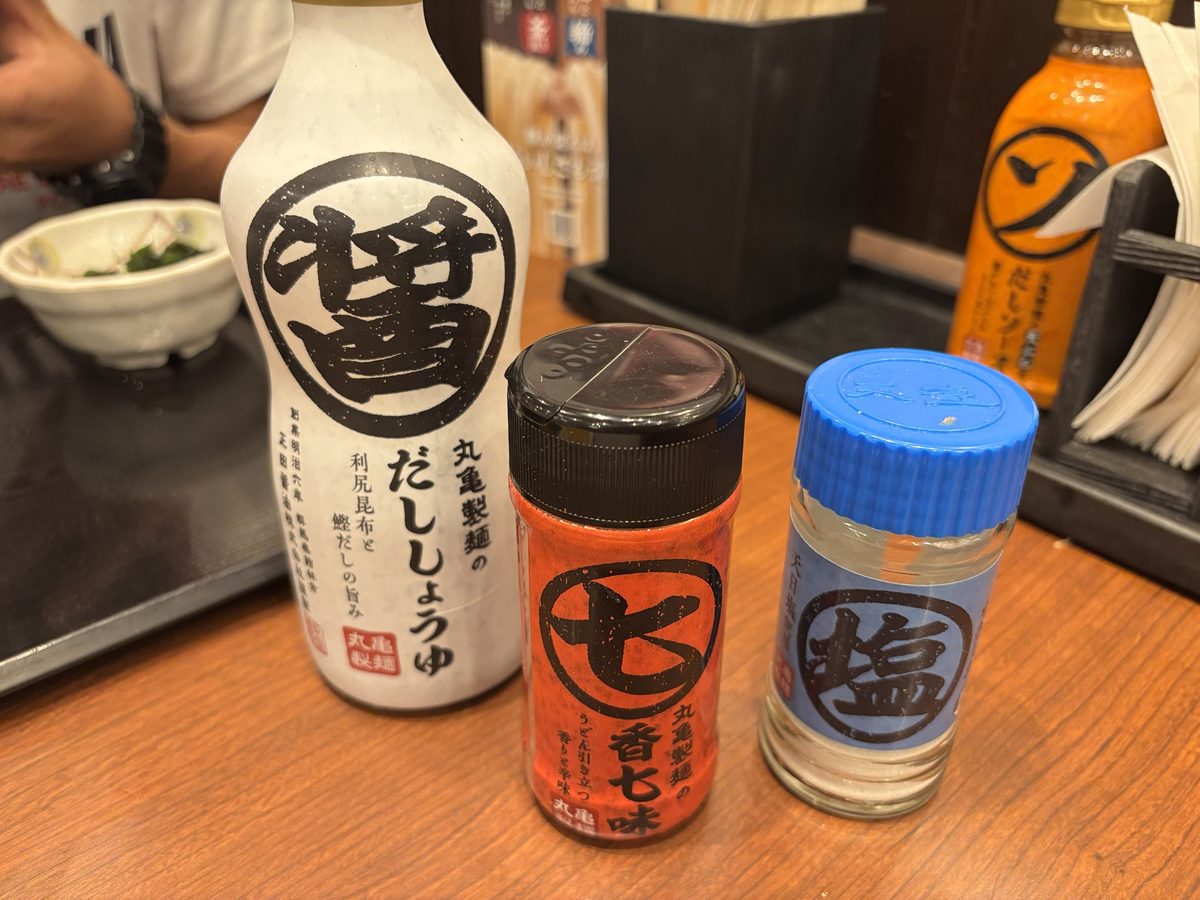
    At the tables, you’ll find chopsticks, shichimi (a seven-spice chili blend), dashi soy sauce and more.

    Table condiments: dashi soy sauce, shichimi, salt

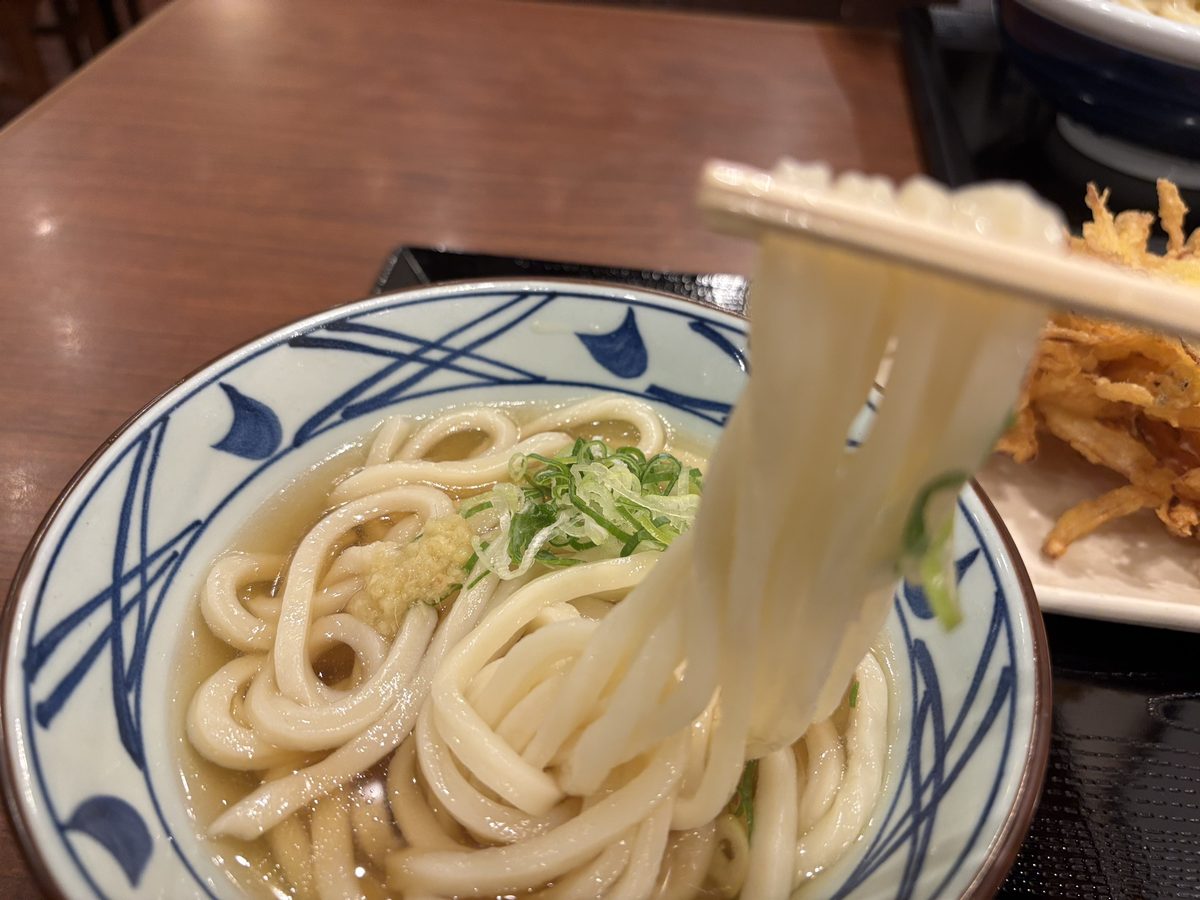
    With かけうどん, you get chewy noodles in hot broth.

    Lifting kake udon noodles with chopsticks

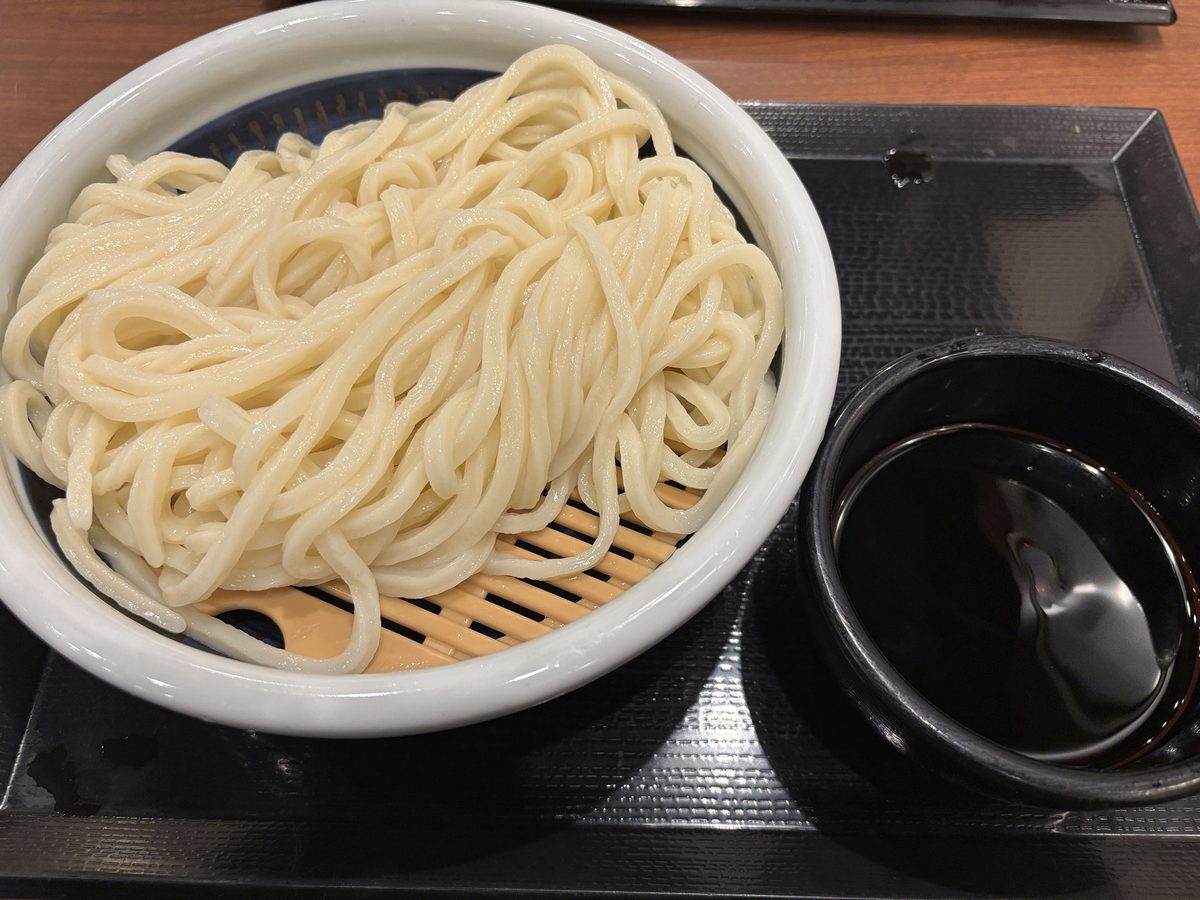
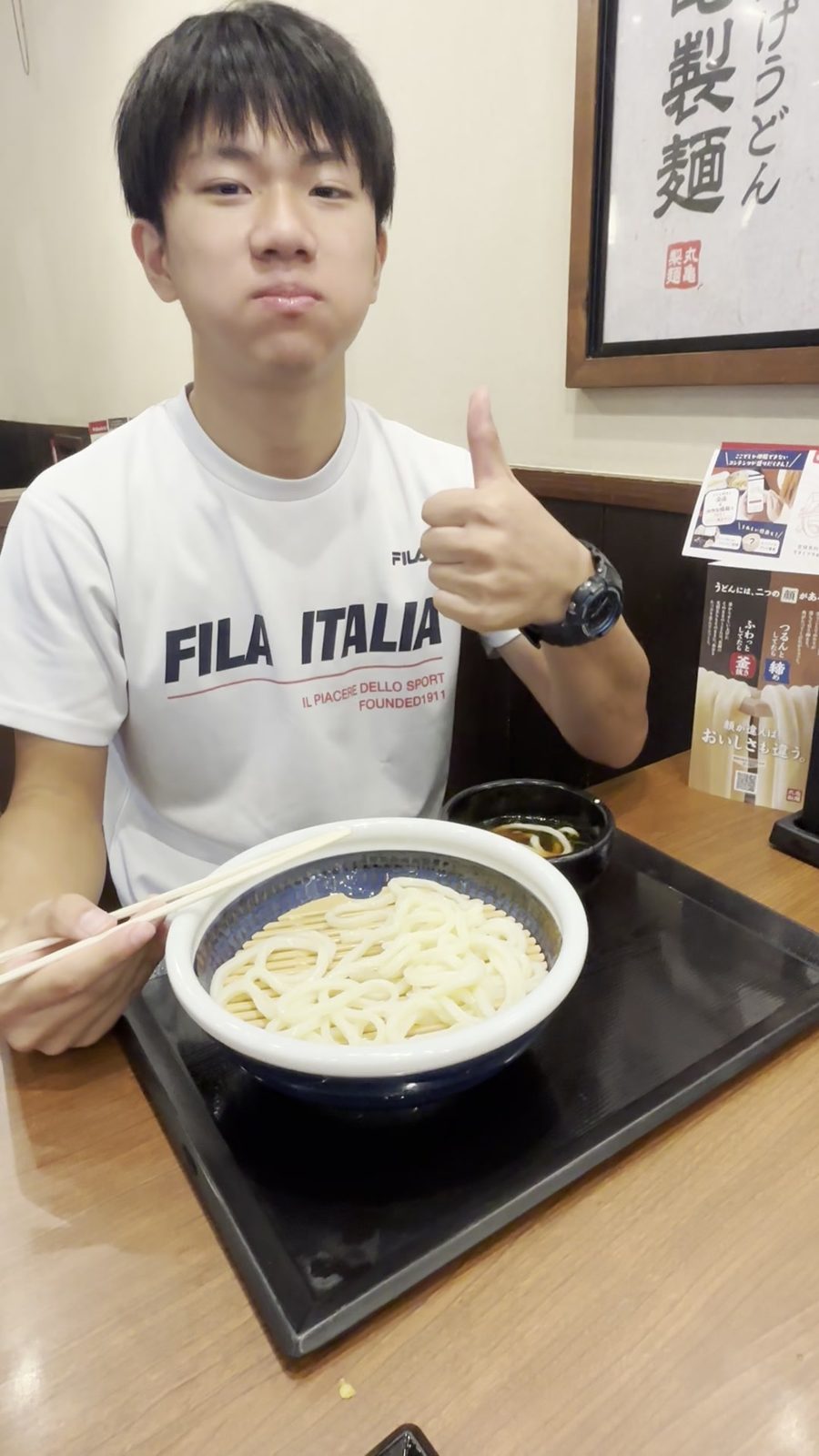
    With ざるうどん, you dip the cold noodles in the sauce and eat them.

    Cold zaru udon with dipping sauce

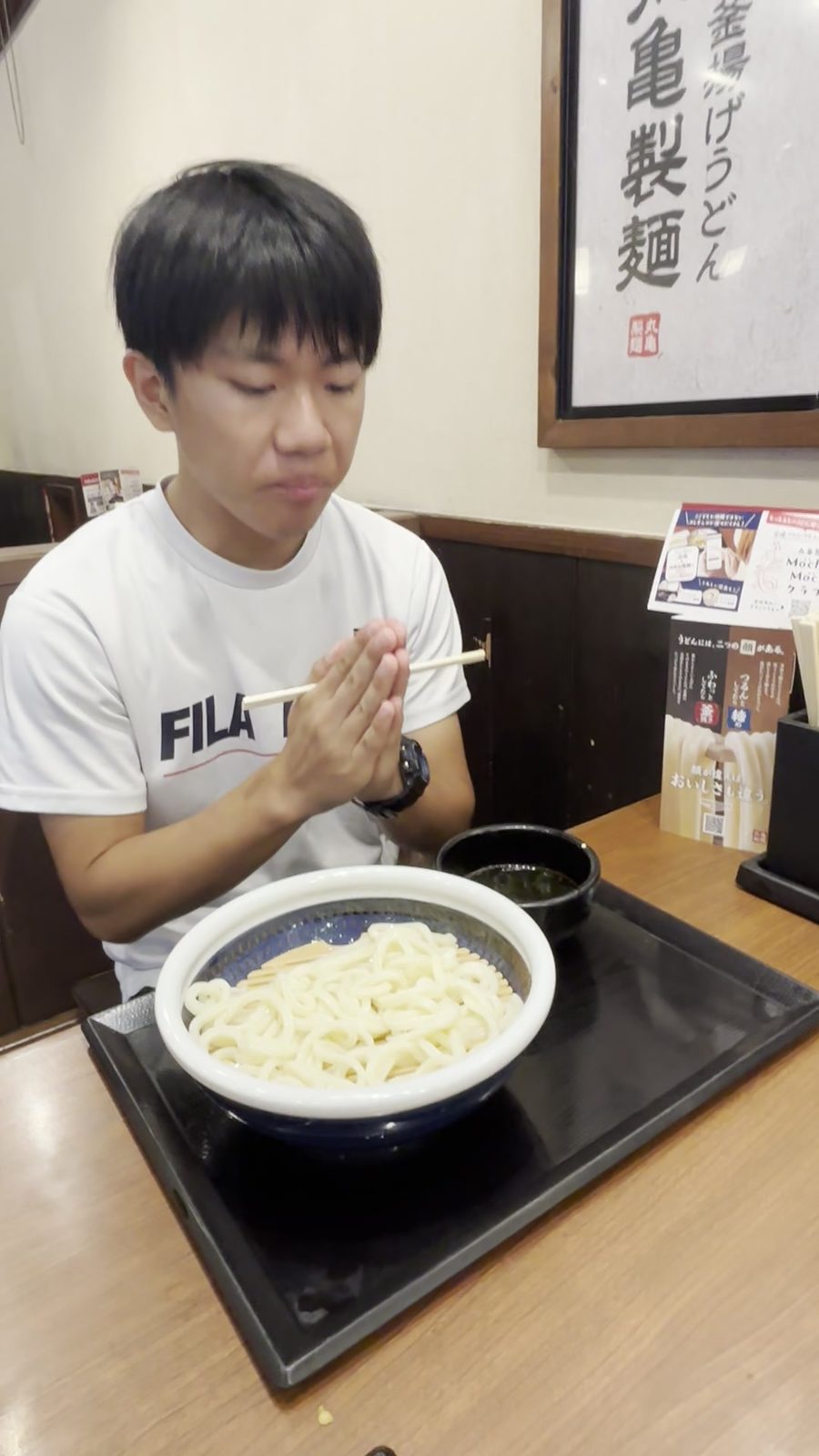
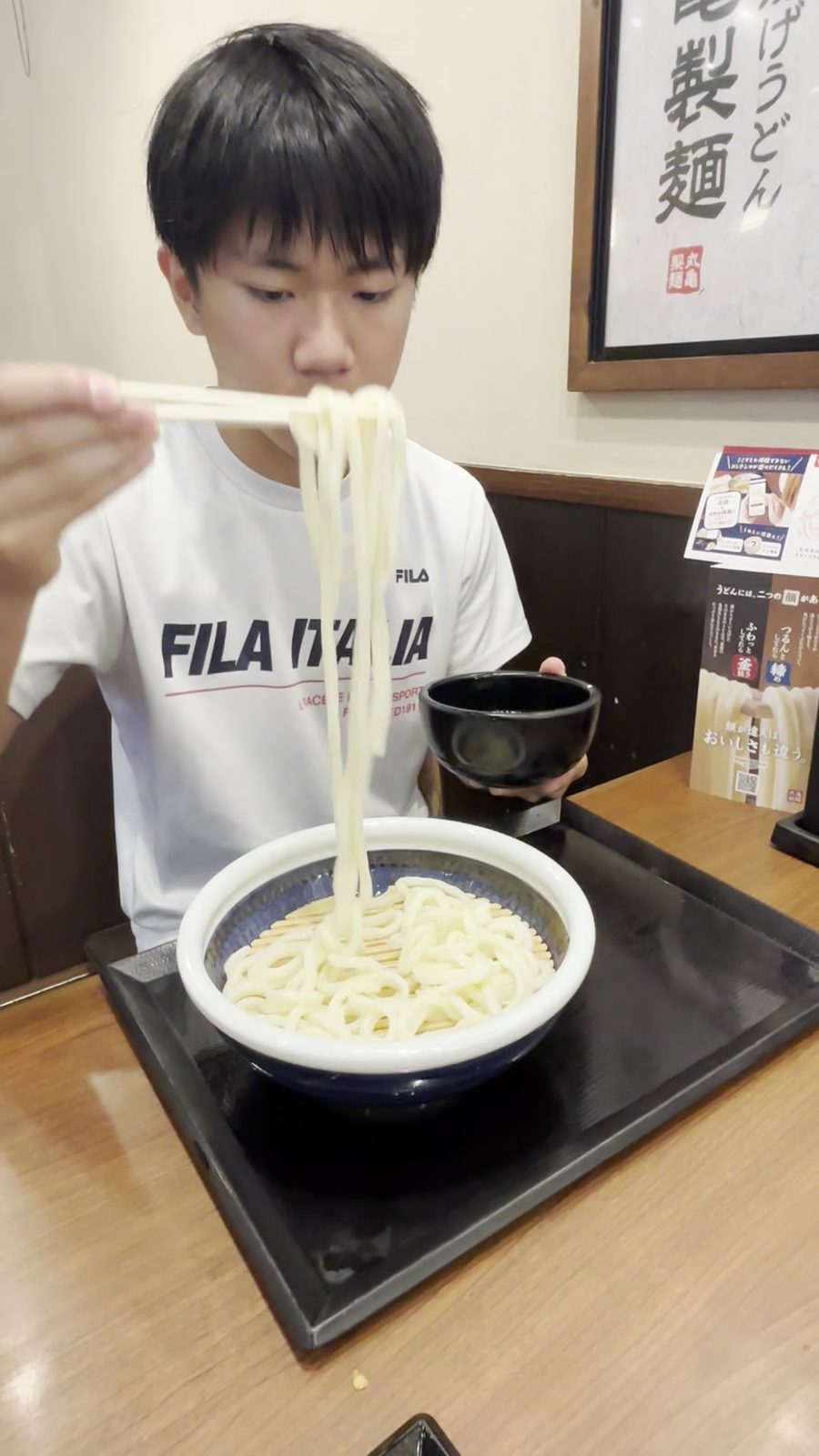
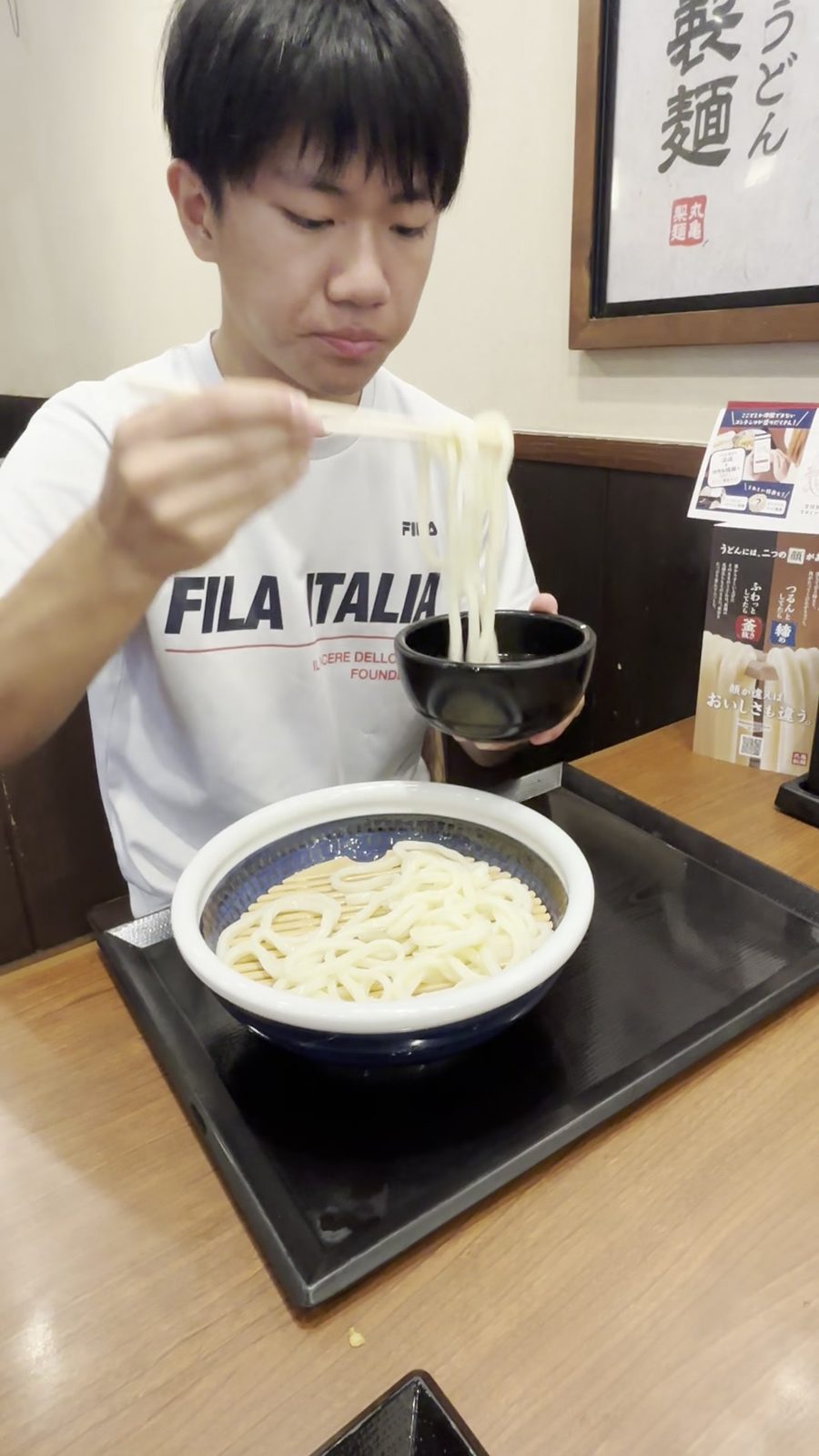
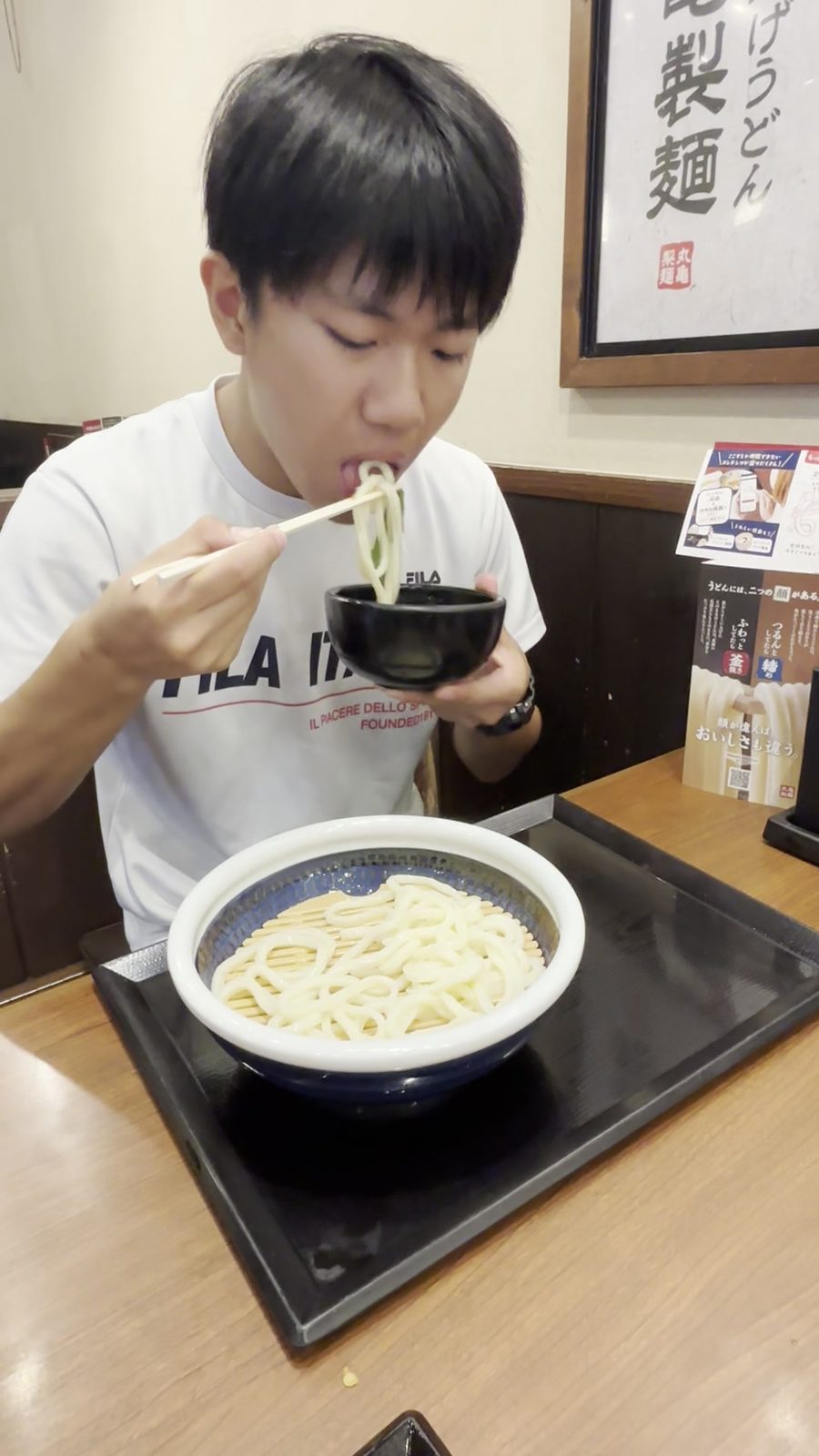
    My son ordered ざるうどん. Hands together: “Itadakimasu” (what people say before a meal). He lifted the noodles, dipped them in the sauce, and slurped them up.

    Saying "itadakimasu" with hands together
    Lifting cold udon noodles
    Dipping the noodles into the sauce
    Slurping the udon

    He chewed and chewed, then gave a thumbs-up.

    Thumbs up while eating

    How to eat udon is a story for another article.

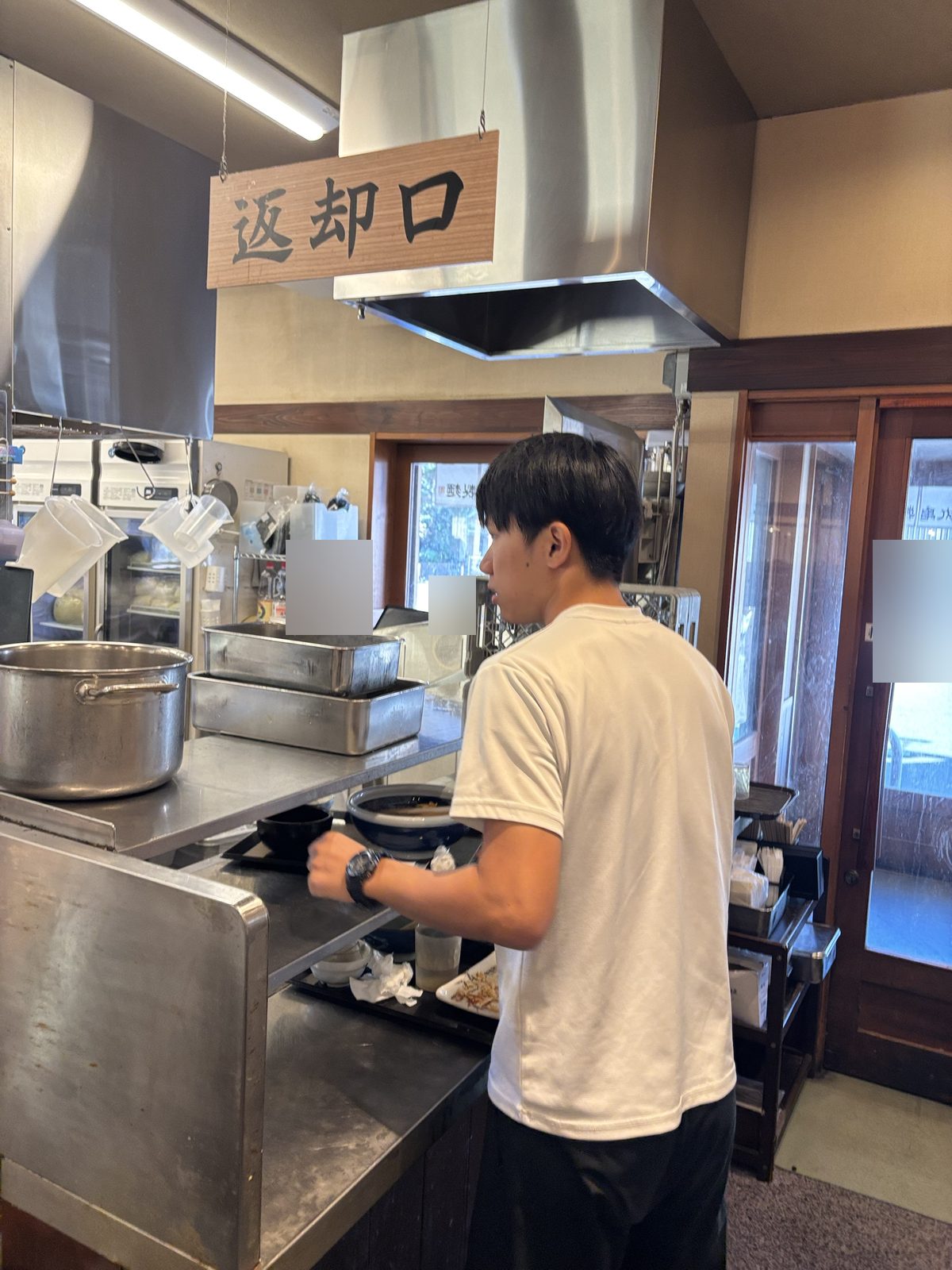
    5 When You’re Done — To the 返却口

    When you’ve finished, take your tray and dishes to the 返却口 (henkyakuguchi, the counter where you return your dishes).

    Returning the tray at the return counter

    Handy for Times Like These

    For when you want to eat your fill without spending much. A lot of people say it’s reasonably priced. There’s also a set for kids, the “お子さま まんぷくセット” (okosama manpuku setto, a filling set for children), for ¥290.

    On the 1st of every month except January 1, it’s “釜揚げうどんの日” (Kamaage Udon Day). 釜揚げうどん is half price (some stores don’t take part).

    For people who can’t eat certain foods: Marugame Seimen’s official website has an allergen chart (in Japanese). It says all the tempura is fried in the same oil, and that even the free tenkasu may contain allergens from the tempura. It also says that because the kitchen shares utensils and equipment, allergens from ingredients not used in a dish may come into contact with it. If you can’t check something on the chart, it’s safer for people with allergies to skip it.

    For now, just this

    For udon, point at the photo on the menu board and order.

    For tempura, look and take.

    After you pay, add condiments. When you’re done, take your tray to the 返却口.

    Official sources we checked (10)

    ・Marugame Seimen: How to Enjoy Marugame Seimen (in Japanese)

    ・Marugame Seimen: Udon (in Japanese)

    ・Marugame Seimen: Tempura (in Japanese)

    ・Marugame Seimen: Condiments and Toppings (in Japanese)

    ・Marugame Seimen: Cashless Payment (in Japanese)

    ・Marugame Seimen: Allergen Information (in Japanese)

    ・Marugame Seimen: Frequently Asked Questions (in Japanese)

    ・Tabimania Japan: How to Order at Marugame Seimen

    ・Wanderlog: Marugame Seimen Miyajimaguchi

    ・MATCHA: Marugame Seimen — How It’s Made at a Store in Japan, Revealed (in Traditional Chinese)