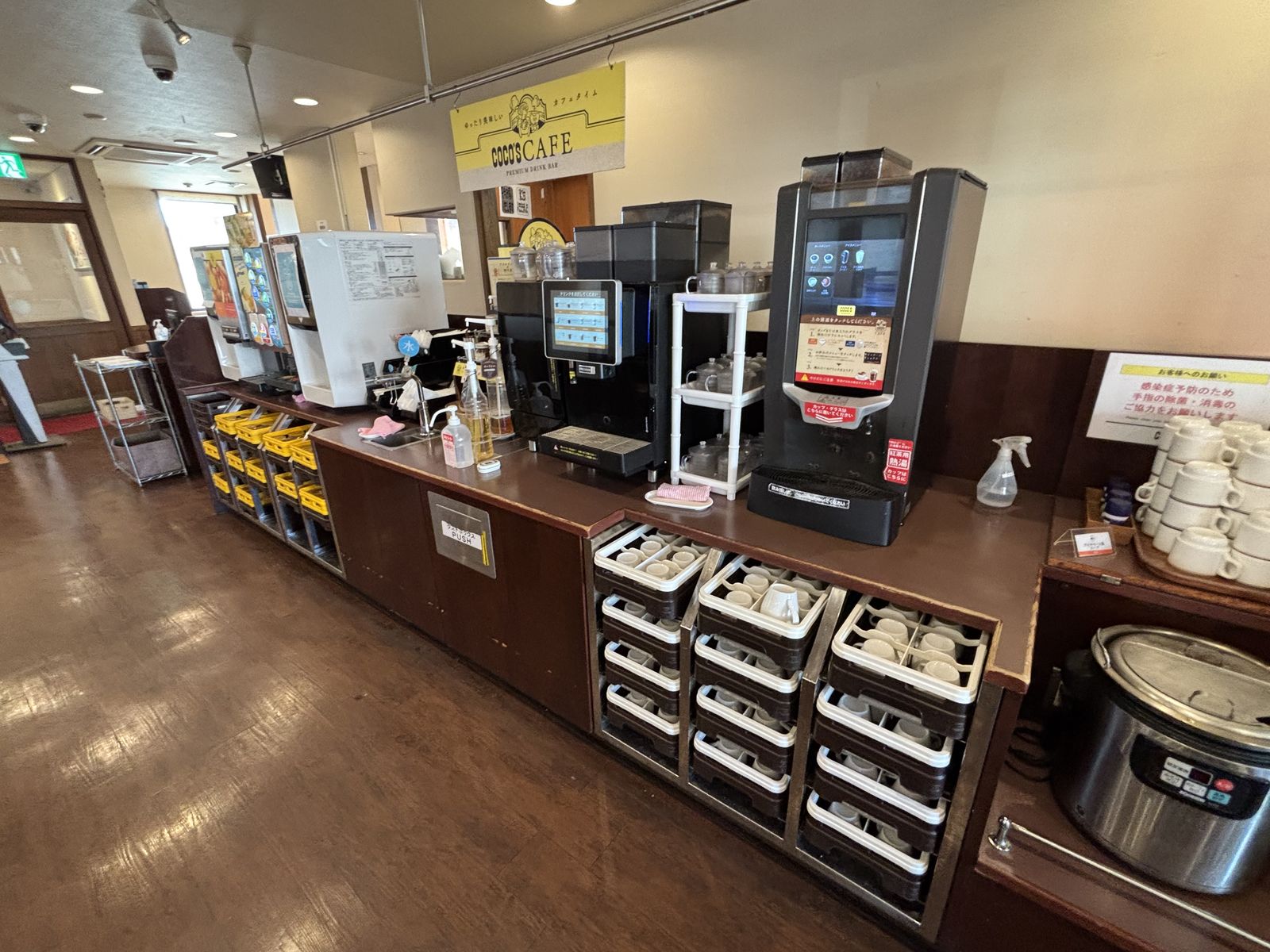
A bright dining room with rows of tables. There are families with children, and people having coffee on their own. On the table, a tablet for ordering. At the back, a corner lined with drinks. This is a Japanese ファミレス (famiresu), short for ファミリーレストラン (family restaurant).
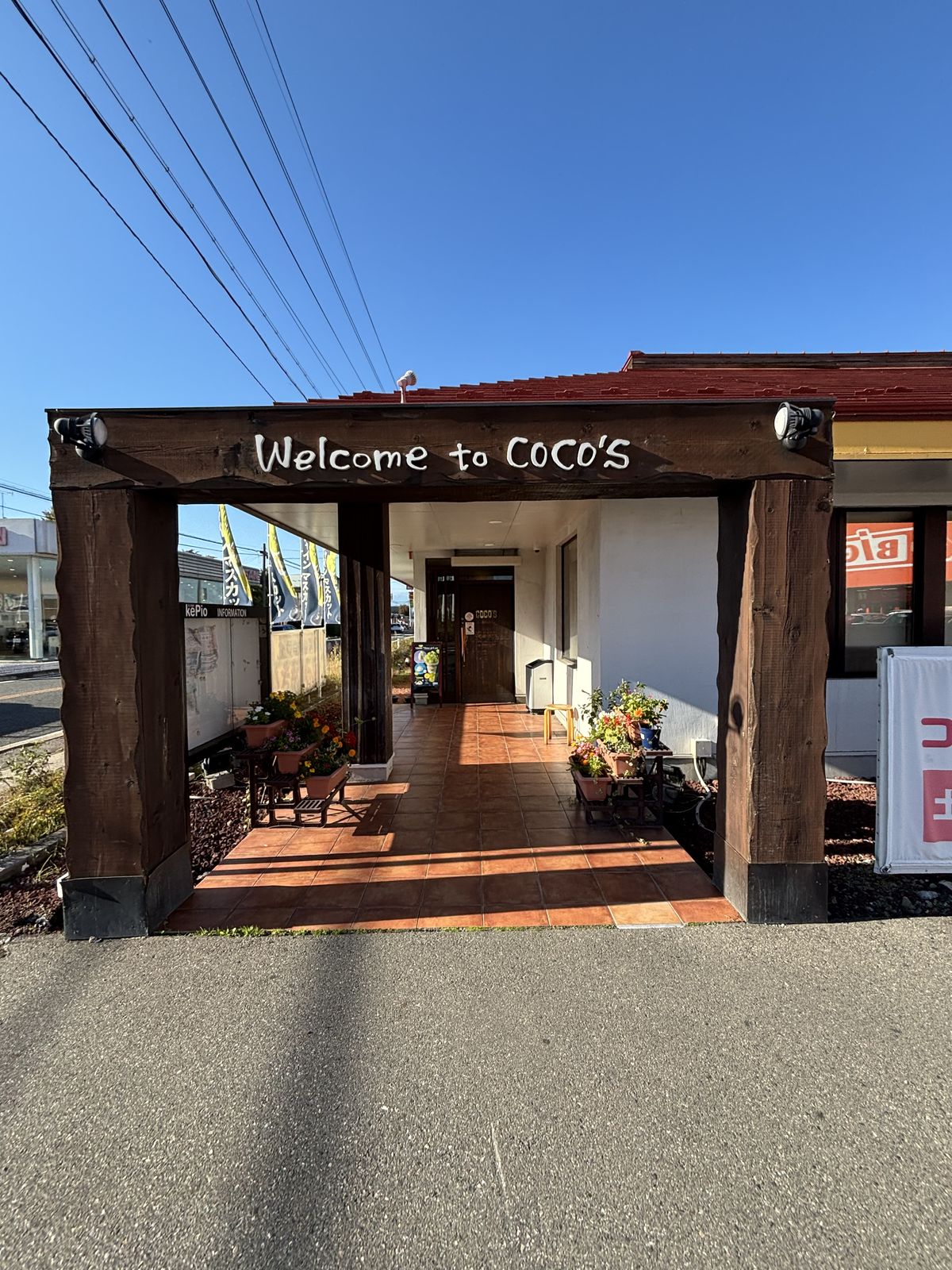
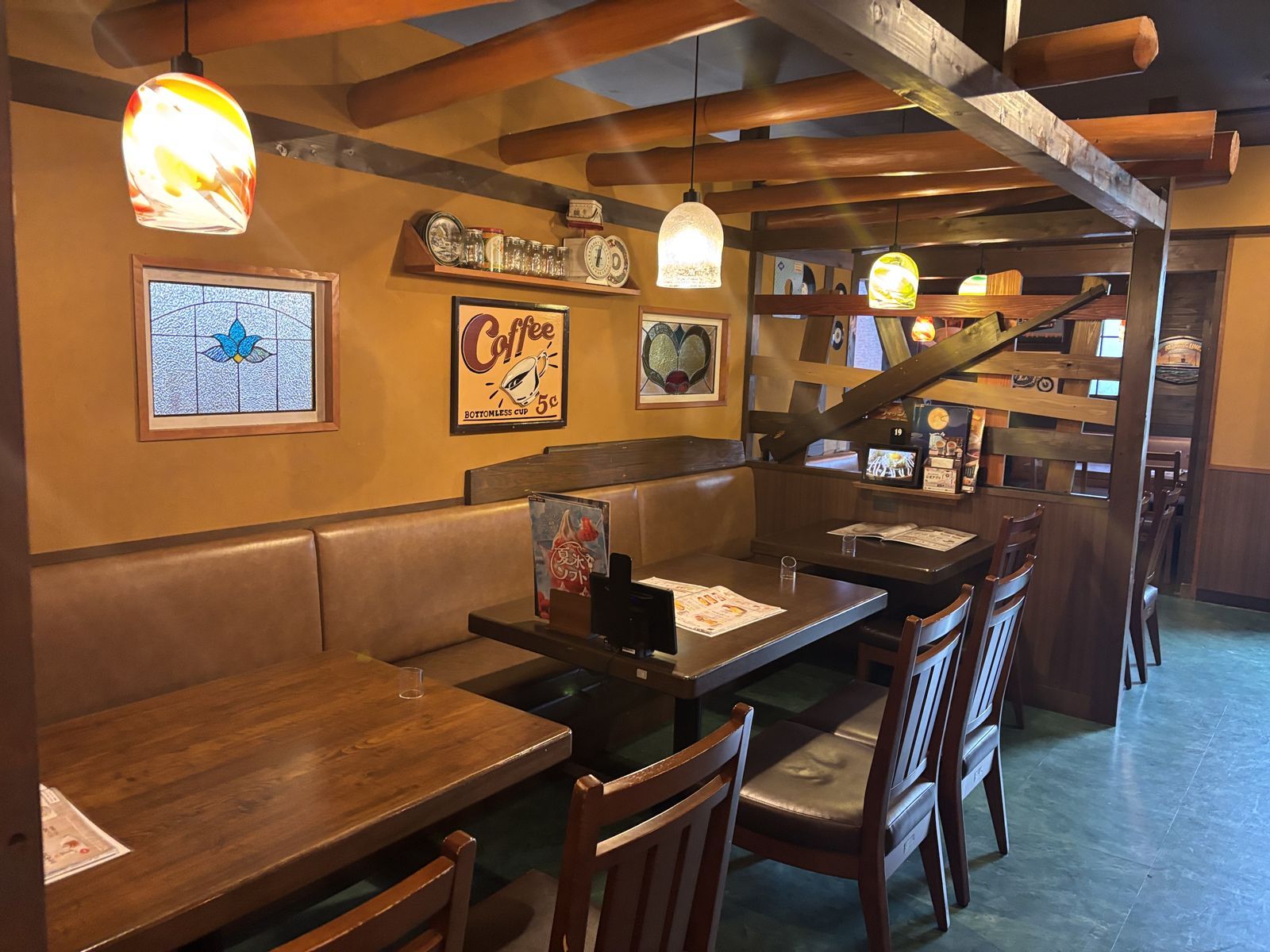
Known in Japan as “ファミレス,” these are chains you’ll see all over the country, such as Gusto, Saizeriya and Denny’s. They’re places where prices are reasonable and the food often comes out quickly.
There are three things to look at.
・Drinks come from the ドリンクバー (drink bar), a self-serve drink corner. Pay for it, and you can pour your own, as many cups as you like
・At many places, you order food on a tablet at the table or on your own smartphone
・Places differ in what they do for families with children and what they offer for taking a break. Comparing them is part of the fun
1 The ドリンクバー (Drink Bar) — Pay for It, and Pour As Many Cups As You Like
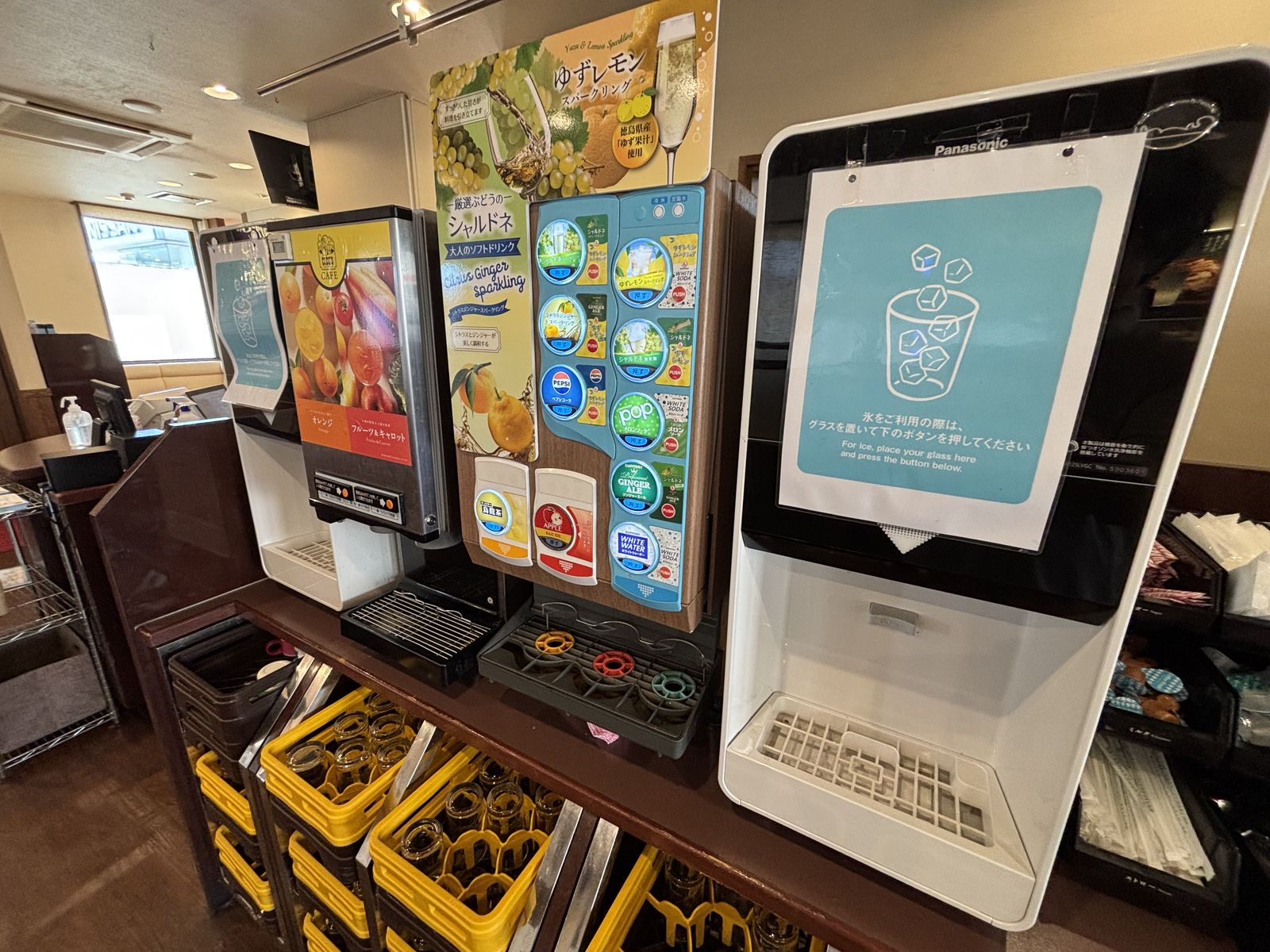
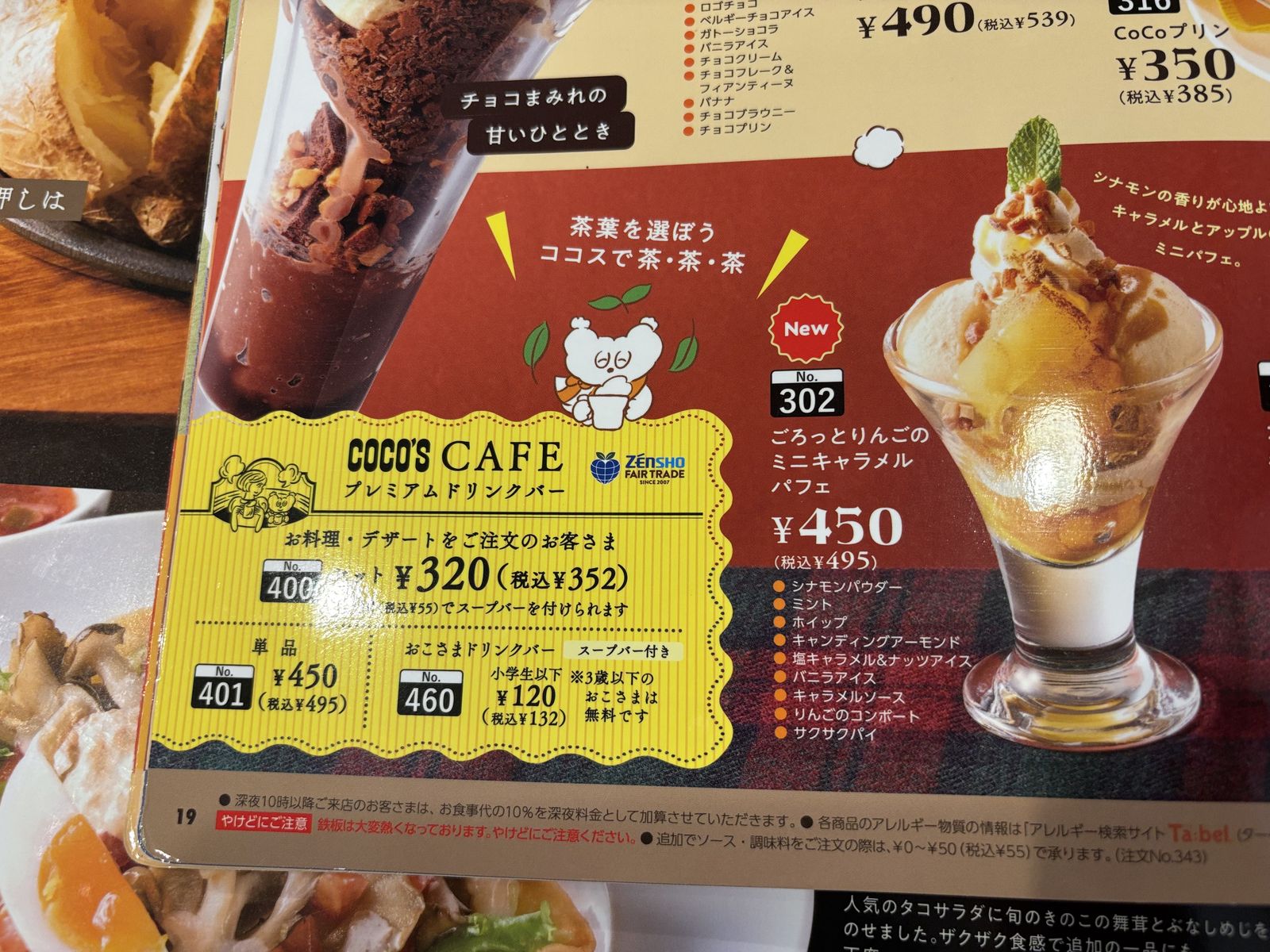
When it comes to drinks at a famiresu, it’s the ドリンクバー. Pay for it, and you can pick whatever you like from the drinks lined up in the corner and pour your own, as many cups as you like. Some places don’t have a ドリンクバー (for example, some Denny’s locations).
At Saizeriya, for example, there are carbonated drinks and fruit drinks, hot and iced coffee, and tea in tea bags (the drinks on offer differ somewhat from store to store). Glasses and cups are in the corner, too.
At some places, the milk and gum syrup (ガムシロップ, liquid sugar) in the corner are for customers who ordered the ドリンクバー (Saizeriya, for example).
At some places, the ドリンクバー costs less when you order it with food than when you order it on its own (for example, Saizeriya and Denny’s). Take a look at the ドリンクバー section of the menu and compare.
You don’t have to call the staff every time you want a drink. Coffee after your meal, then one more cup. Choosing at your own pace is the fun of the ドリンクバー.
Water is in the same corner, too
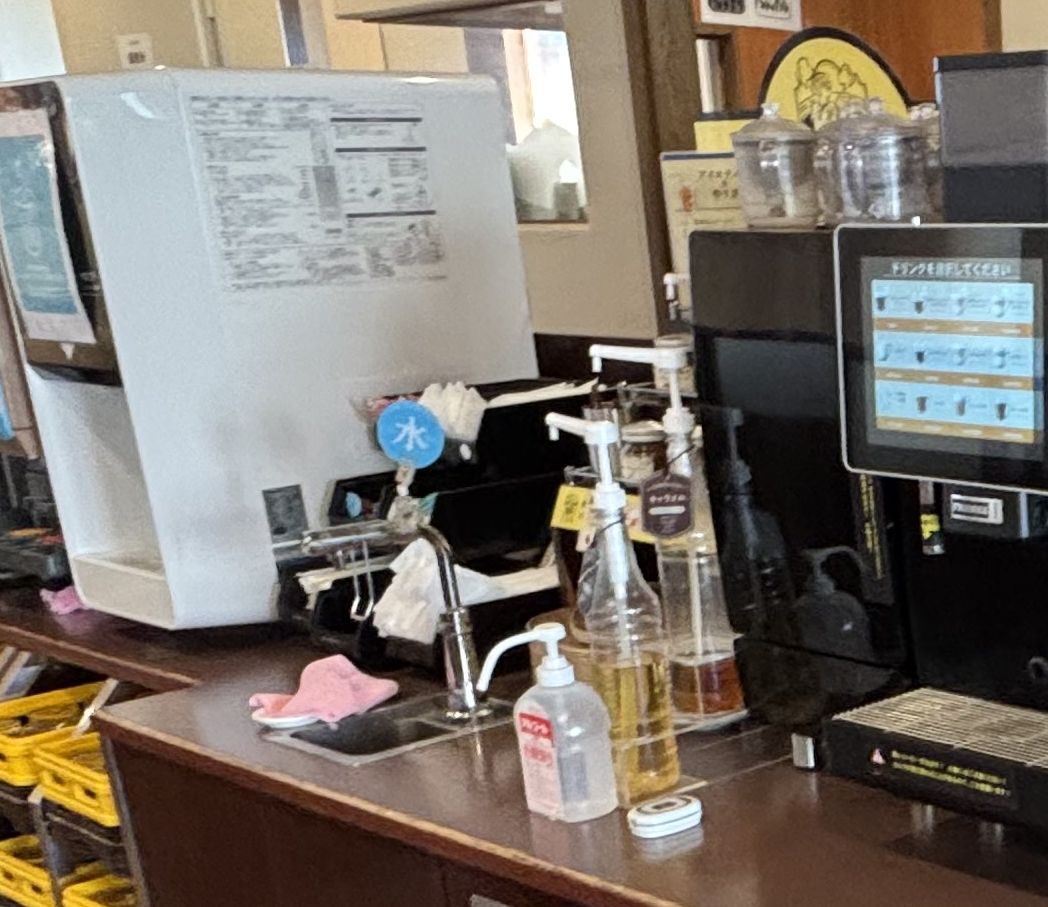
At some famiresu, you get your water yourself, too, from the same corner as the ドリンクバー. At Saizeriya, for example, water is self-service, and paper oshibori (wet hand towels) are at the drink counter as well. At Denny’s, too, お冷 (ohiya, the cold water served at restaurants) and oshibori are in the ドリンクバー corner.
No need to wait at your seat: when you’re thirsty, you can go and get some yourself right away.
2 Ordering Food — On a Tablet or Your Own Smartphone
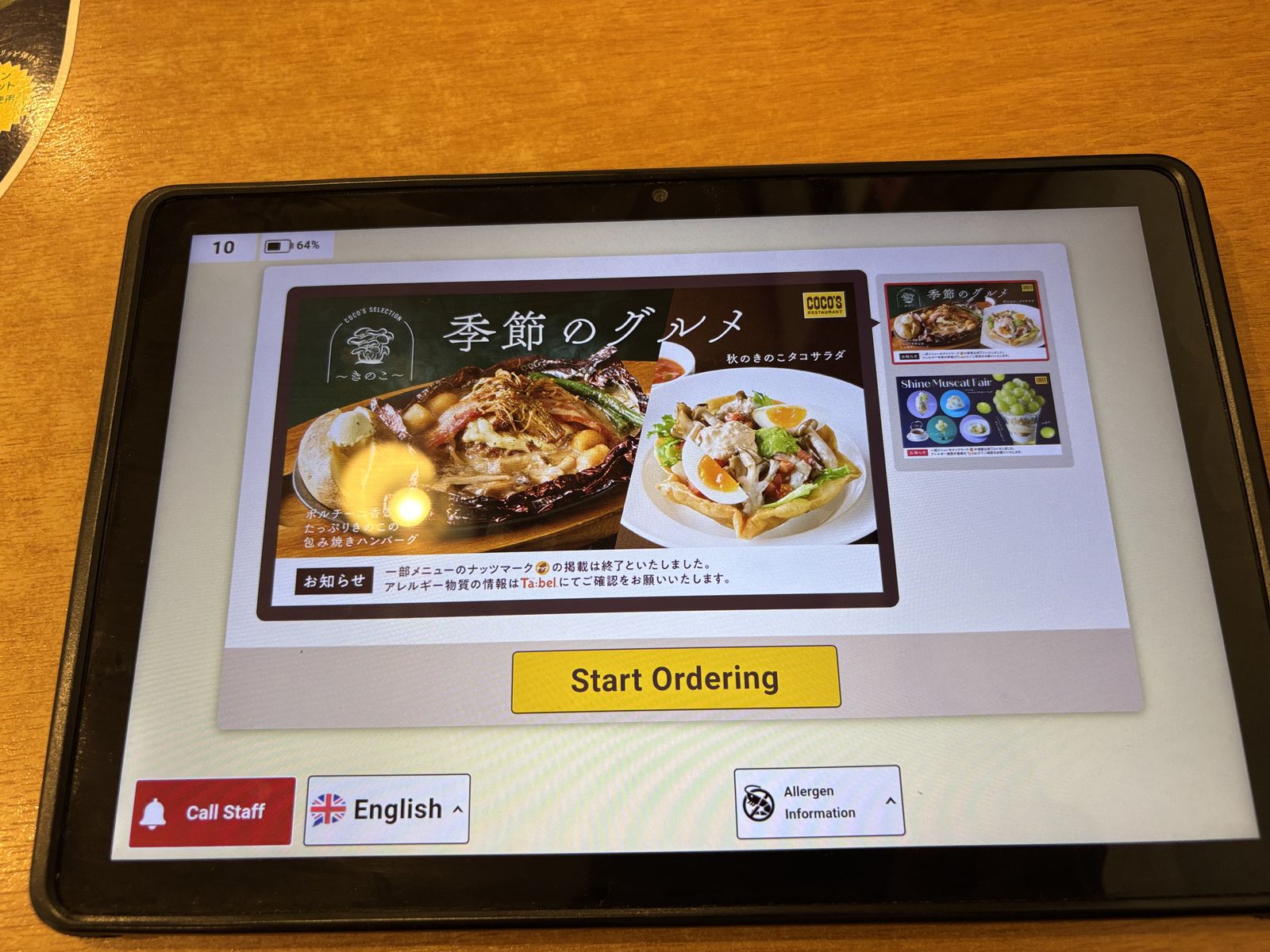
You order food from your seat. Many famiresu let you order on a tablet at the table or with a QR code. In the Skylark Group, which includes Gusto, for example, every store of its main brands has an ordering device, so you can order whenever you like.
At Saizeriya, scan the QR code on the table with your own smartphone, and an ordering screen opens. Even if everyone at the table orders from their own smartphone, it all goes on one bill (伝票).
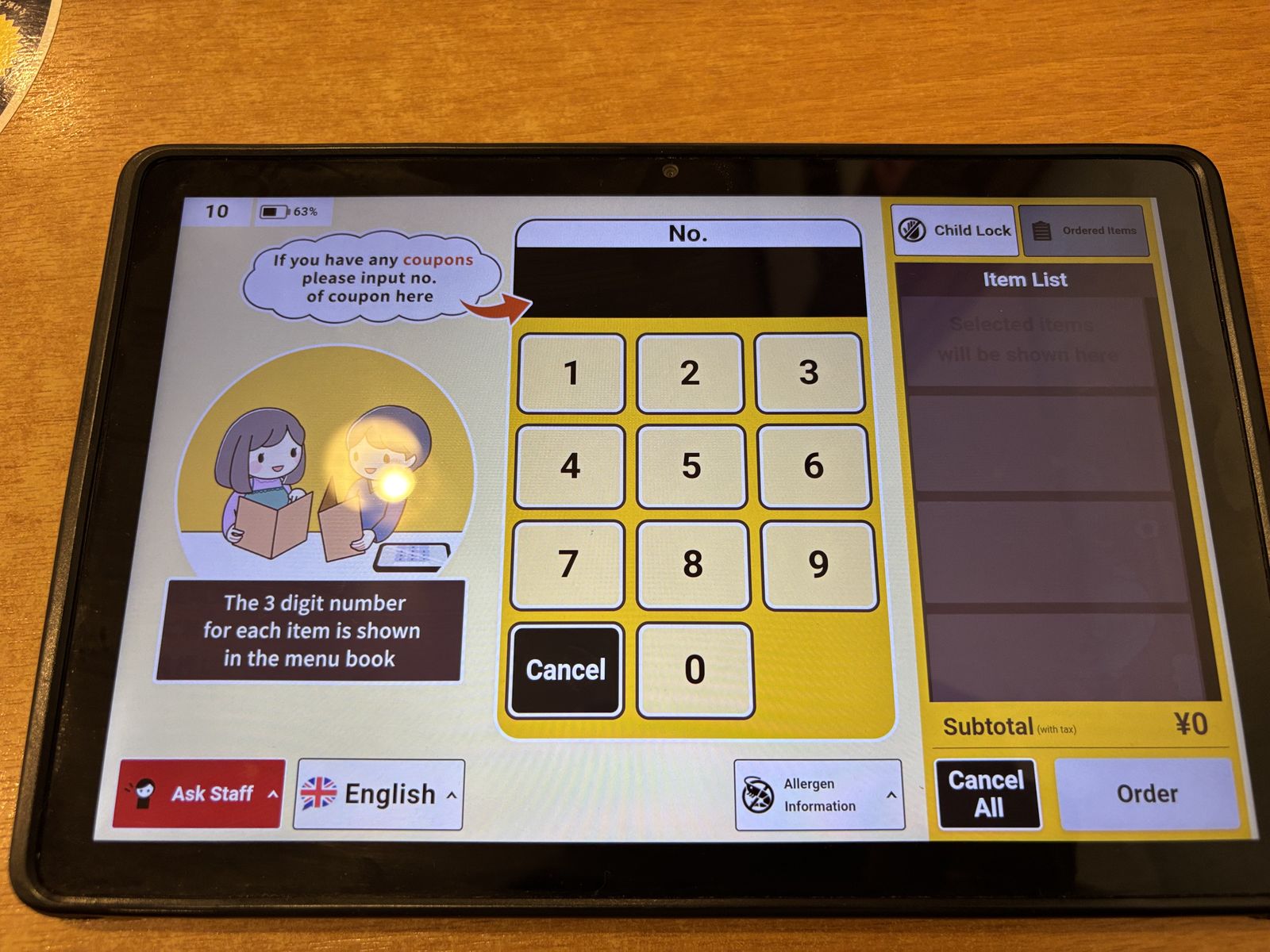
At Denny’s, you can order by entering the 5-digit number from the menu into the tablet. Every dish on Denny’s menu has a photo, and menus in several languages are available, too.
Pick from the photos, type in the number. That’s all it takes to order, even if you can’t read the name of the dish or say it out loud.
If you’d rather order out loud, call a staff member over. At Saizeriya, for example, you ring the bell on the table.
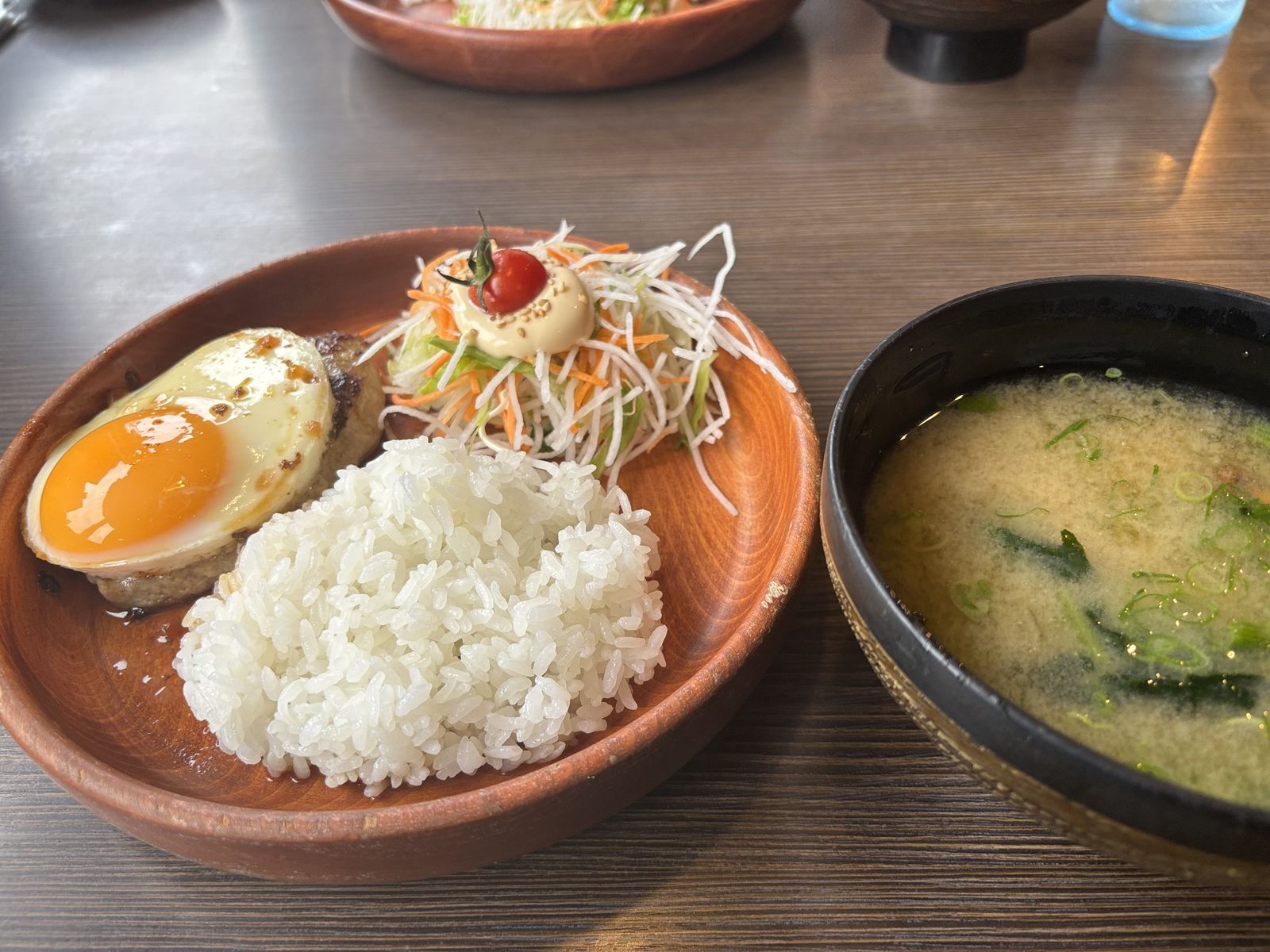
3 With Children — Compare What Each Place Offers
Famiresu are restaurants designed with children in mind. Many places also have little extras, like toys, coloring pages or menus featuring cartoon characters.
Gusto, for example, has children’s chairs and diaper-changing tables (except at some stores), and when you order a kids’ set, you get a coin for a capsule toy machine.
Some places have a ドリンクバー just for kids (Denny’s, for example).
What’s on offer differs from company to company. If you compare the restaurants’ websites before you go, choosing a place together with your kids becomes even more fun.
If there’s something you can’t eat
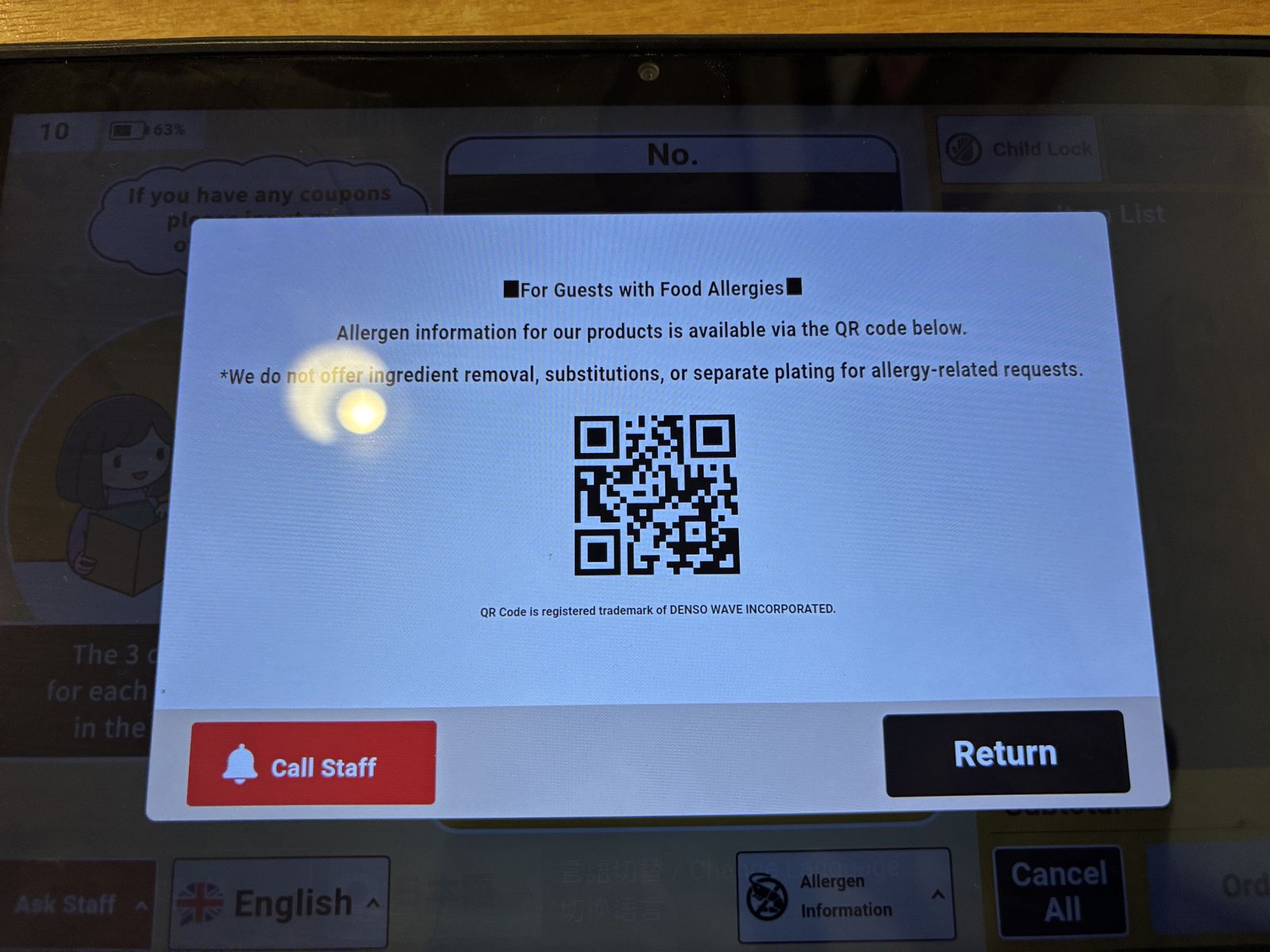
In Japan, restaurants aren’t required to label the allergens in their dishes. Even so, some famiresu companies voluntarily publish allergy information (for example, the Skylark Group and Denny’s). However, the Skylark Group’s allergy information doesn’t cover the drinks at the ドリンクバー. The drink nozzles are shared, too. Please check at the restaurant you’re using, drinks included. You can also look at the company’s information before you go.
Telling staff what you can’t eat is the topic of the article “Allergy Card for Japan.”
4 Taking a Break — On Your Own or Together
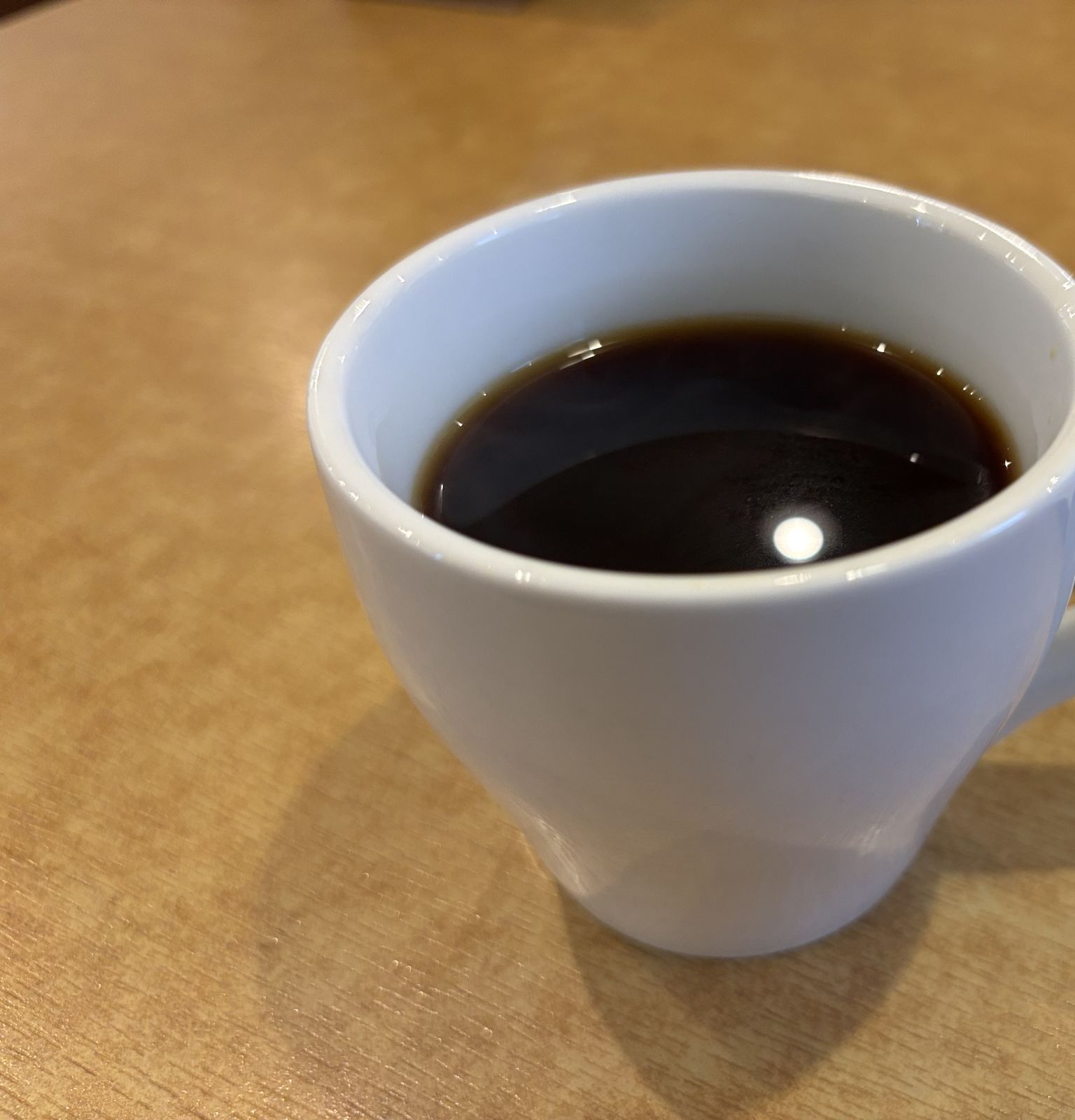
Partway through your trip, your smartphone is about to run out of battery. You’d like to sit down for a bit and check your next plans, too. Every Denny’s store has power outlets, and at every Gusto store you can use the in-store Wi-Fi, labeled “Free Wi-Fi.” At a place with a ドリンクバー, you can take a break while refilling your drink.
I often work at family restaurants. That day, I started with an orange juice, and my second cup was a hot coffee. When you’re switching from something cold to something hot, for example, it’s fine to swap your glass for a cup
Saizeriya recommends both a casual meal on your own and a way of eating where “everyone chooses together, and everyone shares.” Small plates for sharing out the food are provided, too.
Order a small amount of each of several different dishes and share them, and you can try many flavors in one meal.
5 Paying, and Late at Night
How you pay differs from place to place. Besides the register, some places have self-checkout machines or let you pay at your table (for example, the Skylark Group). At Saizeriya, when you leave, you tap 会計する (“check out”) on the screen you used to order, then tap お支払いへ進む (“proceed to payment”). If you’re not sure, try asking the staff.
Denny’s is open from early in the morning until late at night. At later hours, some places add a late-night charge, or 深夜料金 (for example, Saizeriya and the Skylark Group).
If you go in late, check the menu for any note about 深夜料金.
For now, just this
Drinks come from the ドリンクバー. Pay for it, and pour your own, as many cups as you like.
At some places, you get your water yourself, too, from the ドリンクバー corner.
Order food on a tablet or your own smartphone. Where you can order by number, you can order even if you can’t read the name of the dish.
With children, compare how each place does things differently.


