Morning in front of a station. In a glass-fronted café, people are lined up at the register and picking up their cups at the end of the counter. Across the street, in a kissaten (喫茶店), a traditional Japanese coffee shop, a staff member carries water and an oshibori (おしぼり, a wet hand towel) to people who’ve taken a seat.
At cafés and kissaten in Japan, some places have you order at the register first, and others have you sit down and then order. Once you know which kind of place you’re in, you just go with the flow.
Here are three things to know.
・Some places have you order at the register first and pick up your drink at the counter (for example, Starbucks)
・At some places, once you sit down, a staff member brings water and an oshibori and comes to take your order (for example, Komeda’s Coffee)
・At kissaten in Aichi and Gifu, you can come across モーニング (morning service: toast or other food comes with your drink in the morning)
1 Walking In — Wait to Be Seated, or Head to the Register?
When you walk in, stop for a moment and take a look around. Check two things. Is there a line to order at the register? Is a staff member showing people to their seats?
If there’s a line to order at the register, it’s a place where you order at the register first and pick up at the counter (for example, Starbucks). If a staff member greets you with いらっしゃいませ (irasshaimase, “welcome”) and shows you to a seat, you order at your seat (for example, Komeda’s Coffee).
For more on telling what kind of place you’re in right at the entrance, see our article “How to Order at a Restaurant in Japan — It Starts at the Entrance: Look for Just 3 Things.”
Once you know which kind it is, the only thing left to decide is what to drink.
2 Places Where You Order at the Register First — Just Two Choices
At Starbucks, for example, you choose your drink and your size at the register, and that’s all there is to ordering. There are four sizes: ショート (Short), トール (Tall), グランデ (Grande) and ベンティ (Venti). When your drink is ready, you pick it up at the pickup counter.
After you pick it up, you can add milk or sugar yourself. When you order, you only make two choices. Once it’s in front of you, you can fine-tune it to your taste.
You May Be Asked 店内か、持ち帰りか (tennai ka, mochikaeri ka, “for here or to go?”)
At the register, you may be asked whether you’ll drink it in the store or take it with you. That’s because the tax differs depending on whether it’s for here or to go, and at some places the price changes too (for example, Starbucks). If you decide beforehand where you’ll drink it, you can answer in a word when you’re asked at the register.
3 Kissaten Where You Order at Your Seat — Sit Down, and the Staff Come to You
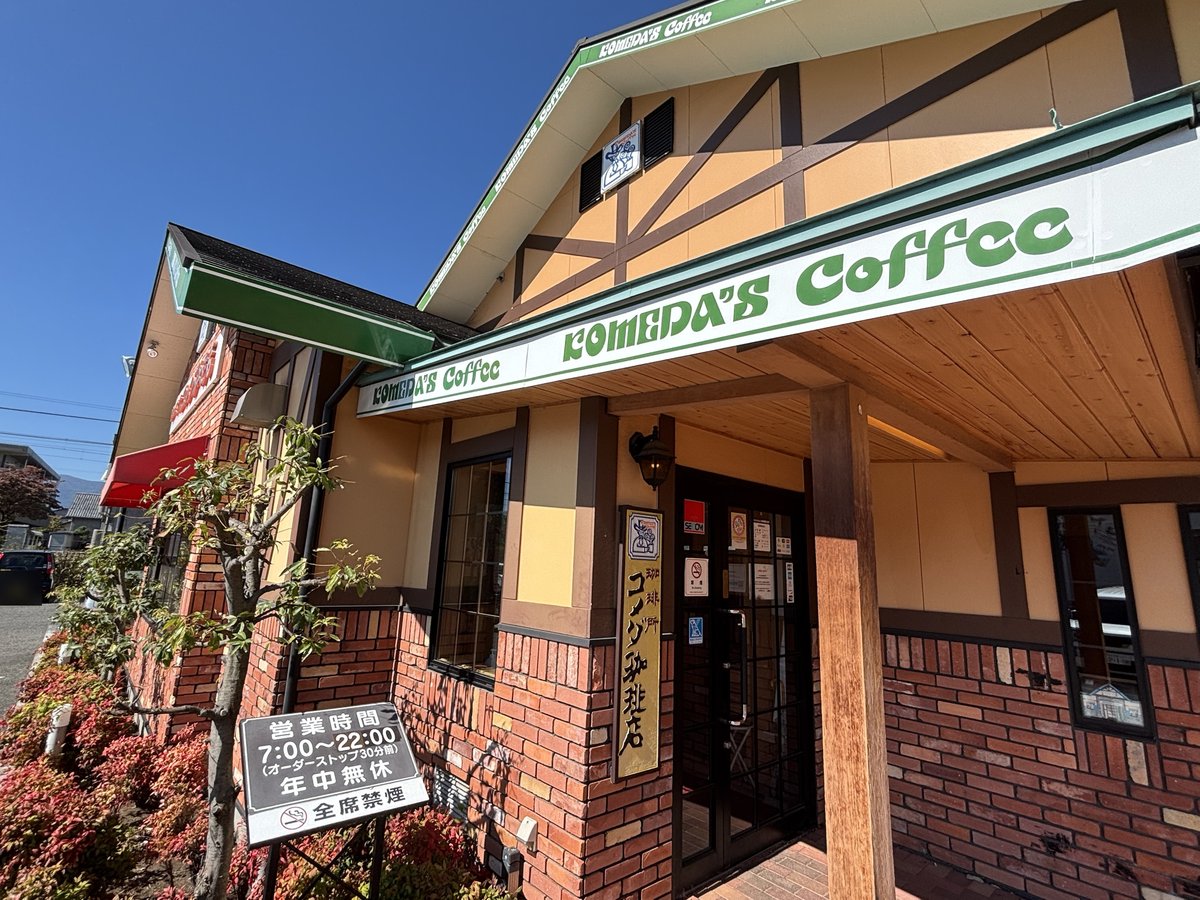
At Komeda’s Coffee, for example, a staff member shows you to a seat and brings water and an oshibori to your table. Once you’re seated, someone comes to take your order, and what you ordered is brought to your seat too.
Once you sit down, all that’s left is to wait. There’s no need to stand at the register reading the menu in a hurry. What Komeda’s Coffee aims to be is “a living room for the town,” where anyone can relax.
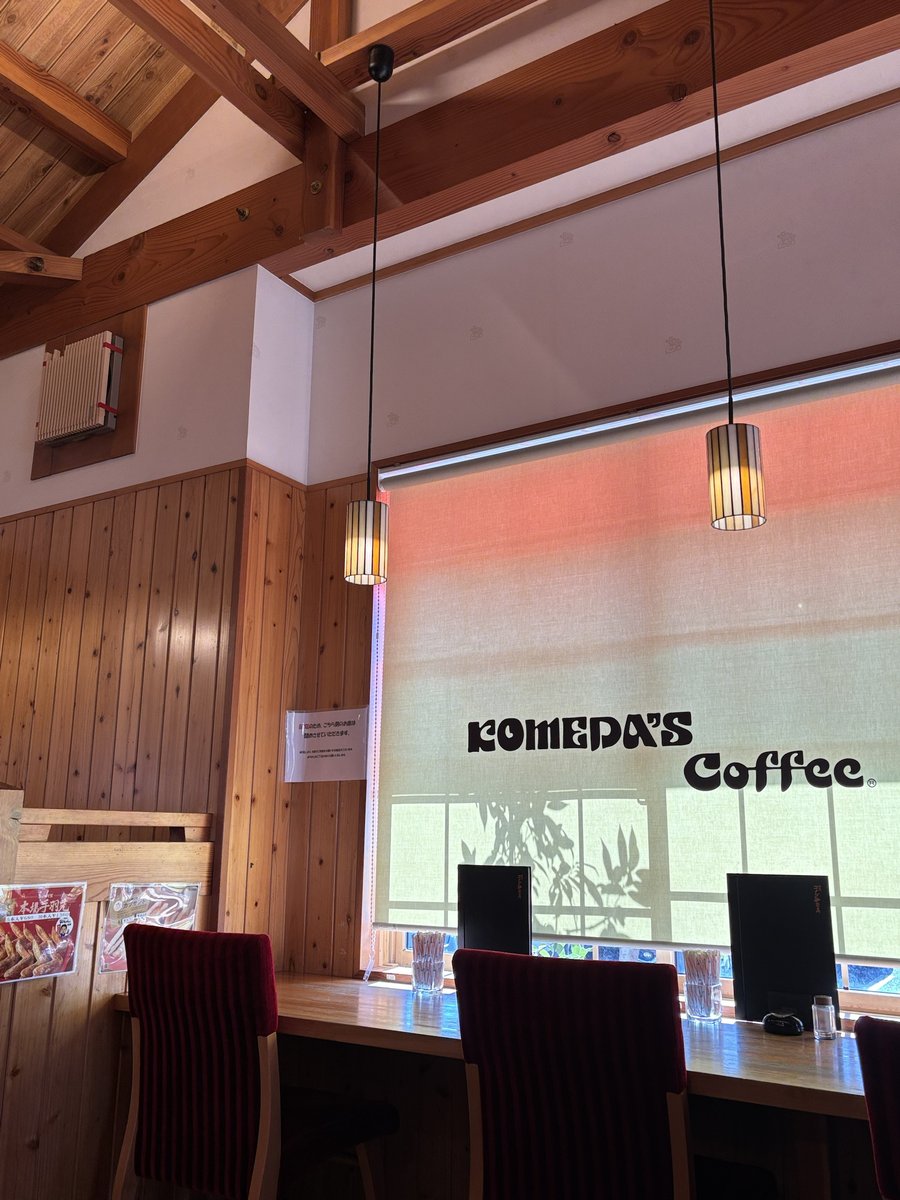
Many of Japan’s kissaten are old-fashioned places with character, different from newer Western-style cafés. At some, the owner behind a wooden counter makes the coffee one cup at a time, slowly pouring the hot water. At kissaten in Osaka, you can also come across ミックスジュース (mixed juice, a blend of fruit and milk).
The time you spend waiting at your seat is part of the pleasure of a kissaten.
4 Morning Service (a Breakfast Set) in Aichi and Gifu — Toast Comes with Your Morning Drink
Kissaten in Aichi and Gifu Prefectures have a morning treat called モーニング (morning service). When you order a drink in the morning hours, food such as toast, a boiled egg or a salad comes with it, and what you get differs from shop to shop. Not every kissaten in Japan has it.
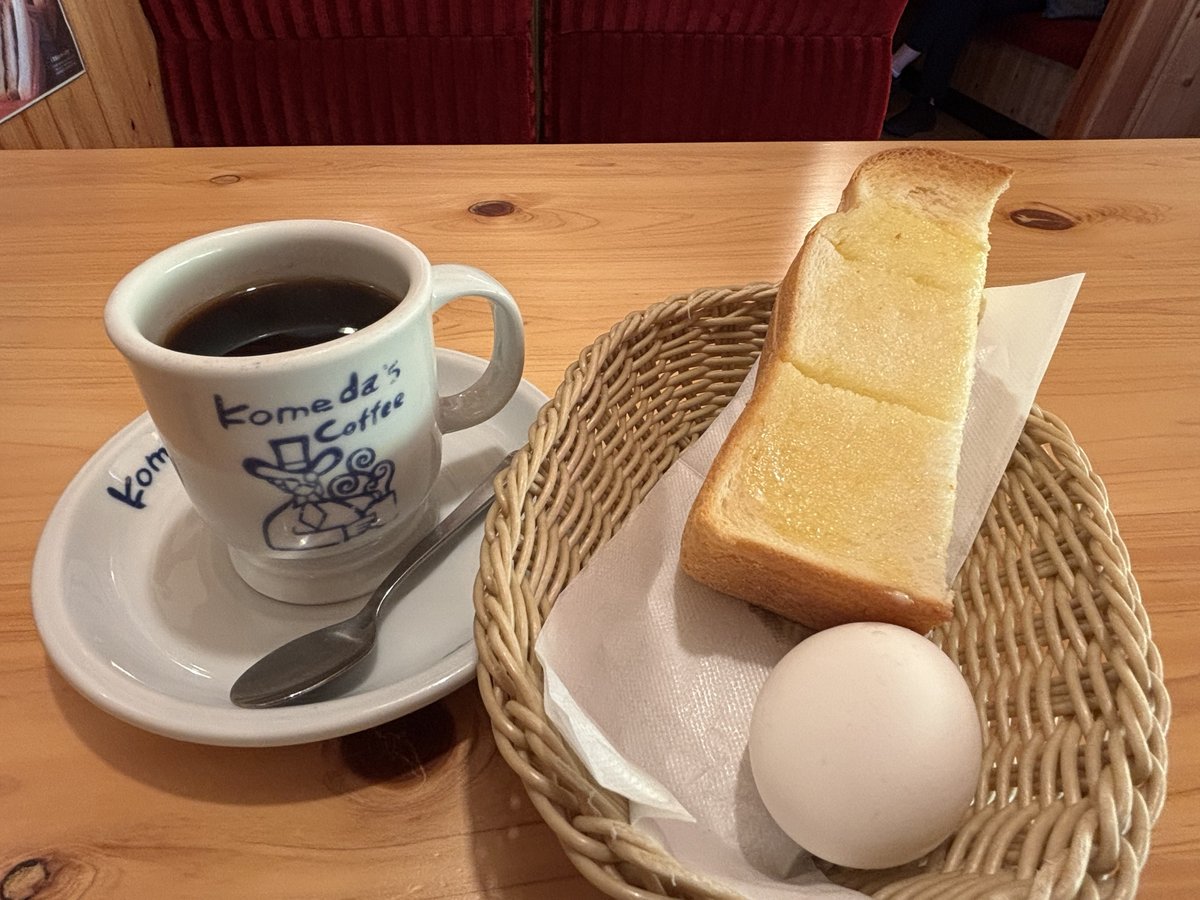
At some places it comes at the price of the drink alone, and at others you pay a little extra. Some kissaten advertise 1日中モーニング (morning service served all day), so even if you miss the morning, you may still come across it. Some say morning service started in Ichinomiya, and others say Toyohashi, both in Aichi Prefecture.
Among Japan’s prefectural capitals and government-designated cities, Nagoya ranks first and Gifu City third in spending at kissaten (2023–2025 average).
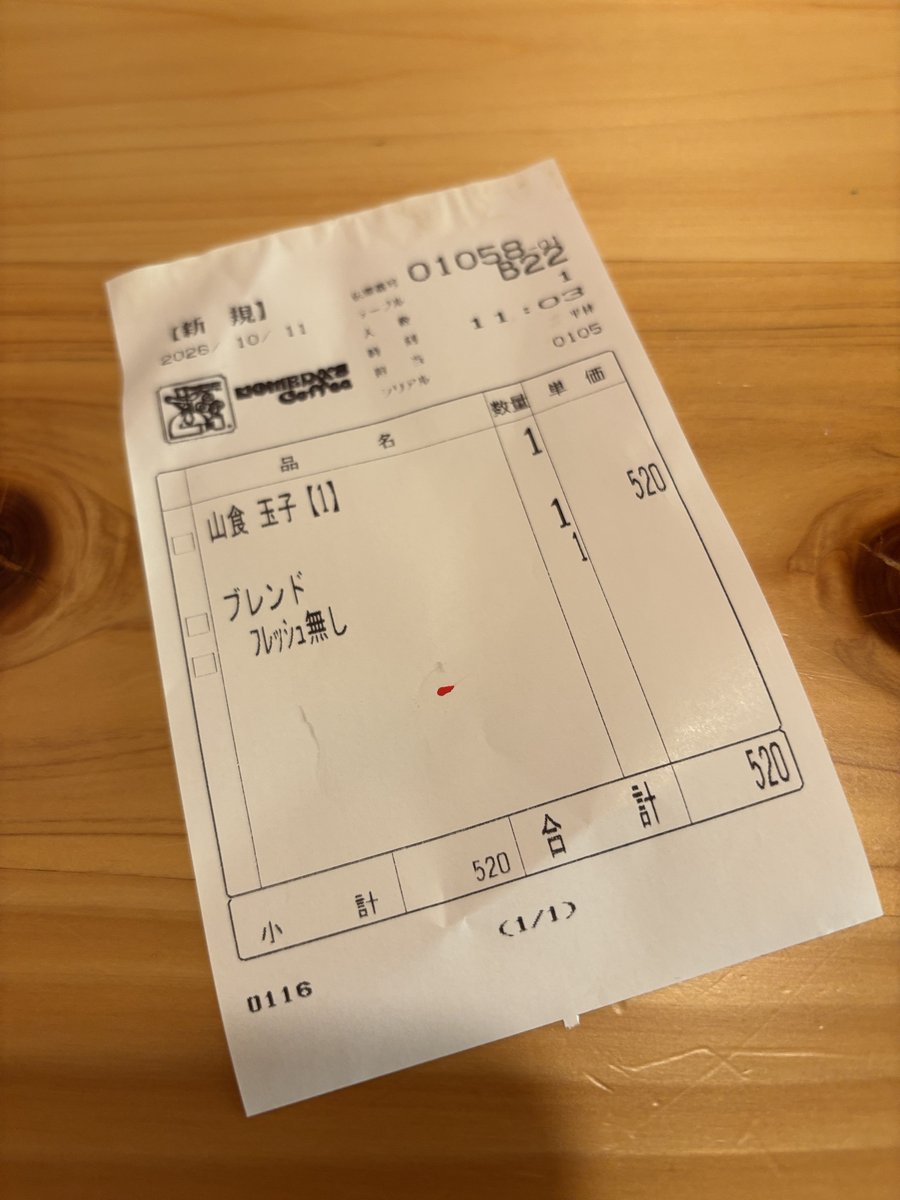
Some chain kissaten have morning service too. At Komeda’s Coffee, for example, from opening until 11 a.m., a drink comes with toast (山食パン, a loaf-style bread) or a bread roll (ローブパン), though availability differs by store. On the side, you can choose a boiled egg, egg spread or sweet simmered red beans (おぐらあん).
You order a coffee, wait a little, and toast and a boiled egg are brought to your seat.
If you go to Aichi or Gifu, do head to a kissaten in the morning. What comes with your drink is different at every shop: sometimes a salad, sometimes a fried egg. That’s the fun of it. Anywhere else in Japan, try Komeda’s, which was born in Nagoya. Choose the おぐらあん (sweet simmered red beans) and spread it on your toast with butter. That’s an-butter toast (あんバタートースト, red beans and butter on toast), and I really hope you’ll try it. Sweet red beans and butter are a perfect match. It’s a taste you’ll only find in Japan.
5 Taking a Break — Wi-Fi and Outlets Differ by Store
Partway through your trip, you’ll want to check a map, or look up where to go next. In Tokyo, public Wi-Fi is often found at places like cafés and stations. What Wi-Fi and outlets you can use varies by store; at Tully’s, for example, the Wi-Fi works at stores with a “tullys_Wi-Fi” sticker on display.
Find one sticker, and that’s your spot for planning what’s next.
For now, just this
When you walk in, look to see whether there’s a line to order at the register or whether you’re shown to a seat.
At places where you order at the register, choose your drink and size, and pick it up at the pickup counter.
If you’re asked 店内か、持ち帰りか, say where you’ll drink it.
At places where you’re shown to a seat, you can order without getting up.
In Aichi and Gifu, head to a kissaten in the morning and try モーニング (morning service).


